
United States Rapid Acting Insulin Market Poised for Steady Growth Through 2033
Rising diabetes prevalence, innovation in insulin delivery, and supportive reimbursement policies drive long-term expansion


United States Rapid Acting Insulin Market Overview
The United States Rapid Acting Insulin Market is expected to witness consistent and meaningful growth over the forecast period, reflecting the country’s rising diabetes burden and continued advancements in diabetes care. According to Renub Research, the market is projected to increase from US$ 2.32 billion in 2024 to US$ 3.40 billion by 2033, expanding at a Compound Annual Growth Rate (CAGR) of 4.33% between 2025 and 2033.
Rapid-acting insulin plays a vital role in modern diabetes management, particularly for patients requiring tight glycemic control around meal times. Its ability to act quickly and mimic the body’s natural insulin response has made it indispensable for both Type 1 diabetes patients and an increasing share of advanced Type 2 diabetes cases. As healthcare systems increasingly emphasize patient-centric and outcome-driven care, demand for fast-acting insulin solutions is expected to remain strong across the United States.
United States Rapid Acting Insulin Market Outlook
Rapid-acting insulin is designed to manage postprandial (after-meal) blood glucose spikes. Typically, it begins working within minutes of administration, peaks within one to two hours, and remains effective for approximately three to five hours. These characteristics make it especially suitable for flexible dosing schedules and for patients using advanced insulin delivery systems such as insulin pumps.
In the United States, the popularity of rapid-acting insulin has increased significantly due to the growing number of diabetes diagnoses and improved awareness around proactive glucose management. Patients increasingly value the flexibility these formulations offer, allowing them to adapt insulin dosing to real-world eating patterns rather than rigid schedules.
In parallel, advances in insulin pens, smart pumps, and continuous glucose monitoring (CGM) systems have enhanced convenience and precision. These innovations are reinforcing the importance of rapid-acting insulin as a cornerstone of diabetes therapy, particularly as personalized medicine becomes a central theme in chronic disease management.
Growth Drivers in the United States Rapid Acting Insulin Market
Increasing Prevalence of Diabetes
One of the strongest growth drivers for the U.S. rapid-acting insulin market is the rising prevalence of diabetes, especially Type 2 diabetes. Millions of Americans live with diabetes, and many more remain undiagnosed or in prediabetic stages. Lifestyle factors such as sedentary behavior, unhealthy diets, obesity, and an aging population continue to fuel new cases each year.
As the patient population expands, so does the need for insulin therapies that offer effective control of blood glucose levels. Rapid-acting insulin is particularly valuable for reducing post-meal glucose excursions, which are closely associated with long-term complications such as cardiovascular disease, kidney damage, and neuropathy. With healthcare providers focusing more on early intervention and improved glycemic outcomes, the adoption of fast-acting insulin is expected to grow steadily.
Innovative Insulin Delivery Technologies
Technological innovation is reshaping the diabetes treatment landscape in the United States and significantly boosting demand for rapid-acting insulin. Modern insulin delivery systems—including smart insulin pens, wearable devices, and hybrid closed-loop systems—are designed to work seamlessly with rapid-acting formulations.
Integration with CGM technology enables real-time glucose monitoring and precise insulin dosing, reducing the risk of hypoglycemia and improving overall treatment outcomes. These advancements appeal particularly to younger and tech-savvy patients who prioritize convenience and automation in healthcare.
A notable recent development occurred in March 2025, when Tandem Diabetes Care, Inc. introduced its Control-IQ+ technology in the U.S. This hybrid closed-loop algorithm is compatible with the t:slim X2 insulin pump and Tandem Mobi System and is available for individuals with Type 1 diabetes (ages 2+) and adults with Type 2 diabetes. Such innovations underscore the close relationship between advanced delivery systems and rapid-acting insulin demand.
Favorable Healthcare Infrastructure and Reimbursement Policies
The United States benefits from a highly developed healthcare infrastructure that supports widespread access to insulin therapies. Hospitals, specialty clinics, and retail pharmacies are well-equipped to prescribe and dispense a wide range of rapid-acting insulin products.
Reimbursement policies further support market growth. Medicare, Medicaid, and most private insurance plans provide coverage for rapid-acting insulin, easing access despite higher list prices compared to traditional human insulin. Importantly, policy initiatives aimed at reducing patient out-of-pocket expenses have improved affordability.
For instance, Medicare Part B now covers insulin delivered through durable medical equipment, such as conventional insulin pumps, with patient costs capped at US$ 35 per month. Such measures significantly enhance treatment adherence and encourage broader adoption of rapid-acting insulin across diverse patient groups.
Challenges in the United States Rapid Acting Insulin Market
High Cost of Insulin Therapies
Despite policy interventions, the high cost of rapid-acting insulin remains a critical challenge in the U.S. market. These products are often priced significantly higher than older insulin formulations, creating affordability concerns for uninsured or underinsured patients.
Even with insurance coverage, copayments and deductibles can place a substantial financial burden on patients, sometimes leading to insulin rationing. While increased competition from biosimilars and regulatory efforts to cap prices are helping, cost pressures continue to limit equitable access. Addressing pricing transparency and fostering broader competition will be essential for sustaining long-term market growth.
Patient Adherence and Clinical Complexity
Another key challenge is patient adherence to rapid-acting insulin regimens. Proper timing and dosing relative to meals are critical to achieving optimal outcomes. Inconsistent monitoring, lifestyle challenges, or inadequate training can result in suboptimal glycemic control or hypoglycemic events.
Additionally, some patients remain hesitant about injections or struggle to use advanced delivery devices effectively. Healthcare providers are increasingly addressing these issues through education programs and digital health tools, but adherence gaps persist. Improved patient support and simplified treatment protocols will be vital to unlocking the full potential of rapid-acting insulin therapy.
Segment Analysis
United States Lispro Insulin Market
Lispro insulin represents one of the most established segments of the U.S. rapid-acting insulin market. As one of the earliest rapid-acting formulations approved, it is widely prescribed for both Type 1 and Type 2 diabetes. Its rapid onset and proven efficacy make it a preferred option for postprandial glucose control.
The availability of branded and biosimilar versions has intensified competition and improved affordability. Lispro is commonly used in combination with basal insulin or insulin pump therapy and is widely available through hospitals, retail pharmacies, and home-delivery services. Continued uptake of biosimilars is expected to further strengthen this segment.
United States Glulisine Insulin Market
Glulisine insulin holds a stable position within the U.S. market due to its fast absorption and suitability for intensive insulin therapy. It is often prescribed to patients requiring precise control over post-meal glucose levels and is compatible with insulin pump systems.
Although it competes with Lispro and Aspart insulin, Glulisine maintains a loyal patient base supported by consistent clinical outcomes and healthcare provider confidence. Ongoing educational initiatives highlighting its benefits continue to drive adoption across hospitals and outpatient settings.
United States Type 2 Diabetes Rapid Acting Insulin Market
Patients with Type 2 diabetes account for a growing share of the rapid-acting insulin market in the United States. As disease progression leads many patients beyond oral medications, insulin therapy becomes essential.
Rapid-acting insulin is particularly effective for managing postprandial glucose spikes in advanced Type 2 diabetes cases. Favorable insurance coverage, improved delivery devices, and increasing physician acceptance are driving growth in this segment, making it one of the most dynamic contributors to overall market expansion.
Distribution Channel Insights
United States Rapid Acting Insulin Hospital Pharmacies Market
Hospital pharmacies play a crucial role in the distribution of rapid-acting insulin. These settings frequently use fast-acting formulations in emergency departments, perioperative care, and inpatient diabetes management.
Hospitals also serve as the first point of exposure for newly diagnosed patients, making them influential in establishing long-term treatment regimens. Given the high rate of diabetes-related hospitalizations in the U.S., hospital pharmacies will remain a key channel for market growth.
Regional Analysis
California Rapid Acting Insulin Market
California represents one of the largest state-level markets for rapid-acting insulin, supported by a high diabetes prevalence and advanced healthcare infrastructure. Major urban centers benefit from widespread access to specialty clinics, advanced delivery technologies, and innovative clinical research.
State-level initiatives aimed at improving insulin affordability further enhance access, reinforcing California’s role as a major growth driver within the national market.
New York Rapid Acting Insulin Market
New York’s market is characterized by strong adoption of advanced diabetes therapies, particularly in large urban hospitals and specialty centers. Early adoption of insulin pumps and CGM-integrated systems fuels demand for rapid-acting insulin, while state policies to control insulin pricing support wider patient access.
New Jersey Rapid Acting Insulin Market
New Jersey benefits from its proximity to pharmaceutical and biotechnology hubs, enabling early access to innovative insulin therapies. Strong healthcare infrastructure and supportive state initiatives contribute to steady growth in rapid-acting insulin demand across both hospital and retail pharmacy channels.
Market Segmentation Summary
By Product:
Lispro Insulin
Aspart Insulin
Glulisine Insulin
By Indication:
Type 1 Diabetes
Type 2 Diabetes
By Distribution Channel:
Hospital Pharmacies
Drug Stores & Retail Pharmacies
Online Stores
By Top States:
California, Texas, New York, Florida, Illinois, Pennsylvania, Ohio, Georgia, New Jersey, Washington, North Carolina, Massachusetts, Virginia, Michigan, Maryland, Colorado, Tennessee, Indiana, Arizona, Minnesota, Wisconsin, Missouri, Connecticut, South Carolina, Oregon, Louisiana, Alabama, Kentucky, and Rest of the United States.
Key Players Analysis
The U.S. rapid-acting insulin market is highly competitive, with both global pharmaceutical leaders and emerging players shaping the landscape. Key companies include:
Adocia
Biocon Limited
Eli Lilly and Company
Gan & Lee Pharmaceuticals Co. Ltd.
Geropharm
MannKind Corporation
Merck & Co. Inc.
Novo Nordisk A/S
Sanofi S.A.
Wockhardt Ltd.
Each company has been analyzed across five viewpoints: overview, key personnel, recent developments, SWOT analysis, and revenue analysis.
Final Thoughts
The United States Rapid Acting Insulin Market is set for stable and sustained growth through 2033, supported by rising diabetes prevalence, continuous technological innovation, and favorable healthcare policies. While challenges related to pricing and patient adherence persist, ongoing policy reforms, biosimilar competition, and advancements in delivery systems are gradually improving access and outcomes.
As diabetes management increasingly shifts toward personalized, technology-enabled care, rapid-acting insulin will remain a critical component of treatment strategies across the United States, ensuring its long-term relevance and market expansion.
About the Creator
jaiklin Fanandish
Jaiklin Fanandish, a passionate storyteller with 10 years of experience, crafts engaging narratives that blend creativity, emotion, and imagination to inspire and connect with readers worldwide.
Keep reading
More stories from jaiklin Fanandish and writers in Longevity and other communities.
United States Cancer Immunotherapy Market Size & Forecast 2025–2033
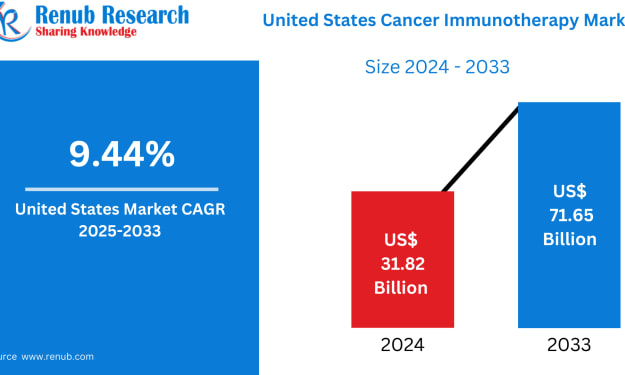
United States Cancer Immunotherapy Market Overview The United States Cancer Immunotherapy Market is undergoing a transformational phase, reshaping the future of oncology treatment across the country. According to Renub Research, the market is projected to grow strongly from US$ 31.82 Billion in 2024 to US$ 71.65 Billion by 2033, registering an impressive Compound Annual Growth Rate (CAGR) of 9.44% between 2025 and 2033.
By jaiklin Fanandish4 days ago in Longevity
Day 4 of Quitting
If this is how sobriety feels, maybe it’s better to go through life a little buzzed… this, along with other hits like, I want to kill myself, I wish I was dead, and I’m going to throw myself off a bridge have been the only thoughts on rotation these past few days. I promise myself that if, in a month, I still feel like this (‘this’ meaning despondent, full of rage, and simultaneously numb) I can go back to smoking. Until mid-February though? Nicotine is off the table.
By sleepy drafts4 days ago in Longevity
United States Colon Screening Market Size & Forecast 2025–2033
United States Colon Screening Market Outlook The United States Colon Screening Market is expected to surge considerably from US$ 4.95 billion in 2024 to US$ 6.56 billion by 2033, reflecting a steady compound annual growth rate (CAGR) of 3.18% between 2025 and 2033. This sustained expansion highlights the growing emphasis on preventive healthcare, early disease detection, and public health awareness across the country.
By Aaina Oberoi2 days ago in Longevity


Comments
There are no comments for this story
Be the first to respond and start the conversation.