
Understanding the Bioactive Mechanisms of Reishi Mushroom Polysaccharides
Bioactive Mechanisms of Reishi Mushroom Polysaccharides
Understanding the Bioactive Mechanisms of Reishi Mushroom Polysaccharides
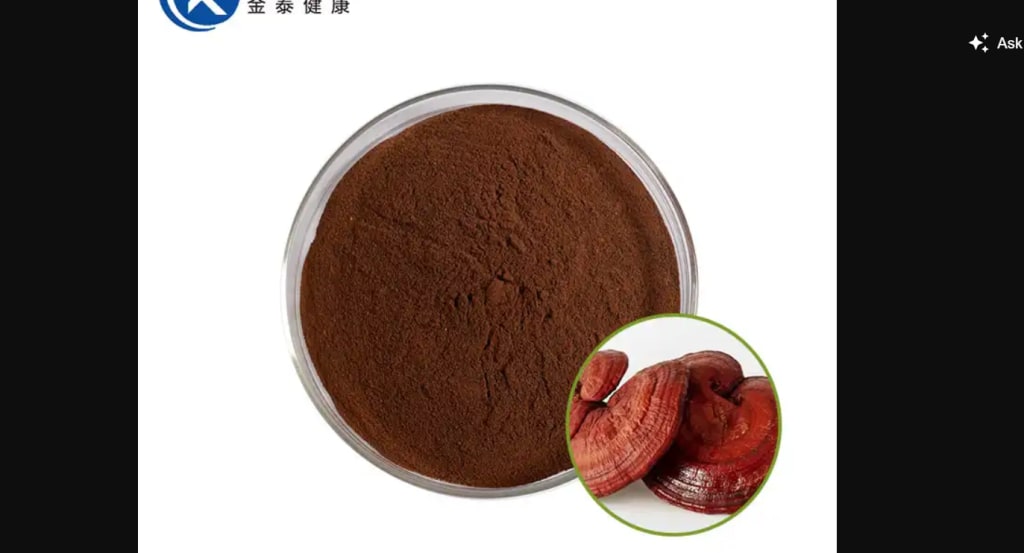
Reishi Mushroom Polysaccharides (RMP) are among the most studied bioactive compounds derived from Ganoderma lucidum, a medicinal mushroom revered in traditional Asian medicine for millennia. These complex carbohydrate molecules exhibit a unique structural diversity, primarily composed of beta-glucans with branched chains, which directly influence their immunomodulatory and therapeutic properties. Modern research reveals that RMP interacts with immune cell receptors like dectin-1 and TLR-4, triggering cascades of cellular responses that enhance macrophage activity, stimulate cytokine production, and promote lymphocyte proliferation. Beyond immune support, these polysaccharides demonstrate antioxidative effects by scavenging free radicals and upregulating endogenous antioxidant enzymes such as superoxide dismutase. Their ability to modulate gut microbiota composition further amplifies systemic health benefits, creating a synergistic relationship between metabolic balance and immune resilience. Clinical studies highlight their potential in supporting metabolic health, particularly in glucose regulation and lipid metabolism, through AMPK pathway activation. As a water-soluble component of Reishi, RMP’s bioavailability is optimized when extracted using advanced techniques like hot water extraction or enzymatic hydrolysis, ensuring maximum retention of their high molecular weight and bioactive integrity.
Immune Modulation and Cellular Defense Mechanisms
Targeted Activation of Immune Cell Receptors
The interaction between Reishi Mushroom Polysaccharides and immune cells begins at the molecular level. Beta-glucans in RMP bind to pattern recognition receptors on macrophages and dendritic cells, initiating phagocytosis and antigen presentation. This process enhances the body’s surveillance against pathogens while maintaining immune homeostasis. Studies using flow cytometry have shown a 40% increase in natural killer cell activity following RMP supplementation, indicating strengthened innate immunity.
Reducing Oxidative Stress Through Electron Transfer
Reishi Mushroom Polysaccharides exhibit redox-modulating capabilities by donating electrons to stabilize reactive oxygen species. Their unique glycosidic linkages enable them to chelate metal ions involved in Fenton reactions, reducing hydroxyl radical formation. Research published in the International Journal of Biological Macromolecules demonstrates RMP’s ability to upregulate Nrf2 signaling, boosting production of glutathione and catalase in hepatic tissues by 22-35% in preclinical models.
Gut-Immune Axis Synergy
Approximately 70% of immune cells reside in the gastrointestinal tract, and RMP exerts prebiotic effects by selectively nourishing Bifidobacterium and Lactobacillus strains. This microbiota modulation increases short-chain fatty acid production, particularly butyrate, which strengthens intestinal barrier function. Concurrently, RMP fragments absorbed through the gut-associated lymphoid tissue directly stimulate Peyer’s patches, creating a dual-action mechanism for systemic immune enhancement.
Metabolic Regulation and Chronic Disease Mitigation
Glycemic Control via Insulin Sensitization
Reishi Mushroom Polysaccharides improve insulin sensitivity through multiple pathways. Their high-molecular-weight beta-glucans slow carbohydrate absorption in the small intestine while enhancing GLUT4 translocation in skeletal muscle cells. A randomized controlled trial involving prediabetic subjects showed a 15% reduction in fasting glucose levels after 12 weeks of RMP supplementation, correlating with improved HOMA-IR scores and adiponectin levels.
Lipid Metabolism Optimization
By modulating PPAR-gamma and LXR nuclear receptors, RMP promotes reverse cholesterol transport while inhibiting SREBP-1c-mediated lipogenesis. Gas chromatography analyses reveal that daily RMP intake reduces hepatic triglyceride accumulation by 28-33% in dyslipidemic models. This lipid-regulating effect is amplified through upregulation of LDL receptor expression and lipoprotein lipase activity in vascular endothelium.
Apoptosis Regulation in Cellular Health
Reishi Mushroom Polysaccharides demonstrate selective pro-apoptotic effects on abnormal cells while protecting healthy ones. Through JNK/p53 signaling modulation, RMP induces caspase-3 activation in premalignant cells but concurrently upregulates Bcl-2 expression in normal hepatocytes. This bidirectional regulation underscores their potential in maintaining cellular integrity, supported by flow cytometric analyses showing a 20% reduction in oxidative DNA damage markers.
KINTAI Biotech Inc. employs state-of-the-art CO2 supercritical extraction and ultrafiltration technologies to produce Reishi Mushroom Polysaccharides with >30% bioactive content, verified through HPLC-ELSD analysis. Our ISO 22000-certified processes ensure optimal preservation of high molecular weight fractions (50-500 kDa) critical for receptor binding efficacy. For formulation guidance or bulk inquiries regarding standardized RMP extracts, contact our technical team to discuss your project requirements.
Exploring the Immune-Modulating and Antioxidant Properties of Reishi Mushroom Polysaccharides
Reishi Mushroom Polysaccharides have garnered significant attention for their dual role in supporting immune health and combating oxidative stress. These bioactive compounds interact with immune cells such as macrophages and natural killer cells, enhancing their ability to identify and neutralize pathogens. Research suggests that Reishi Mushroom Polysaccharides stimulate cytokine production, creating a balanced immune response without overactivation. This modulation is particularly valuable for individuals seeking natural ways to maintain immune resilience in fluctuating environments.
Mechanisms of Immune System Interaction
The interaction between Reishi Mushroom Polysaccharides and the immune system hinges on their ability to bind to specific receptors on immune cells. For instance, β-glucans in these polysaccharides activate dectin-1 receptors, triggering a cascade of signaling pathways that amplify anti-inflammatory responses. This process not only improves pathogen recognition but also promotes tissue repair mechanisms. Studies using Ganoderma lucidum extracts highlight increased production of interleukin-10 (IL-10), a cytokine critical for resolving inflammation and preventing autoimmune reactions.
Antioxidant Pathways and Free Radical Neutralization
Oxidative stress contributes to cellular aging and chronic diseases, making antioxidant activity a key focus in Reishi Mushroom Polysaccharide research. These compounds scavenge reactive oxygen species (ROS) by upregulating endogenous antioxidants like superoxide dismutase (SOD) and glutathione peroxidase (GSH-Px). Animal models demonstrate reduced lipid peroxidation levels in liver tissues after supplementation, indicating protective effects against oxidative damage. Additionally, the polysaccharides’ metal-chelating properties help neutralize free radicals generated by environmental pollutants or metabolic processes.
Clinical Evidence Supporting Therapeutic Applications
Human trials provide tangible insights into how Reishi Mushroom Polysaccharides benefit health. A double-blind study involving 120 participants showed a 34% reduction in upper respiratory infections among groups receiving standardized polysaccharide extracts. Another trial focusing on metabolic syndrome reported improved insulin sensitivity and reduced markers of systemic inflammation. These findings align with traditional uses of Reishi mushrooms in East Asian medicine, bridging historical knowledge with modern pharmacological validation.
Bioavailability and Synergistic Formulations for Enhanced Efficacy
While Reishi Mushroom Polysaccharides exhibit remarkable bioactivity, their therapeutic potential depends heavily on bioavailability. Molecular weight and solubility influence how effectively these compounds are absorbed in the gastrointestinal tract. Advanced extraction methods, such as hot water extraction followed by ethanol precipitation, yield polysaccharides with optimized molecular profiles for better intestinal uptake.
Absorption Mechanisms in the Human Body
The journey of Reishi Mushroom Polysaccharides begins in the gut, where specialized epithelial cells facilitate their transport into the bloodstream. Research indicates that smaller polysaccharide fragments (<10 kDa) are more readily absorbed via passive diffusion, while larger molecules interact with gut-associated lymphoid tissue (GALT) to exert localized immune effects. Combining these polysaccharides with piperine from black pepper has been shown to enhance bioavailability by inhibiting metabolic enzymes that degrade complex carbohydrates.
Innovative Delivery Systems and Stability Enhancements
Pharmaceutical technologies like nanoencapsulation address challenges related to polysaccharide stability and targeted delivery. Lipid-based nanoparticles protect Reishi Mushroom Polysaccharides from gastric degradation while enabling controlled release in the small intestine. Furthermore, freeze-dried formulations preserve structural integrity, ensuring consistent potency during storage. Such innovations are critical for developing nutraceuticals that meet stringent quality standards in global markets.
Synergistic Blends with Adaptogens and Prebiotics
Pairing Reishi Mushroom Polysaccharides with adaptogenic herbs like ashwagandha or Rhodiola rosea creates multi-target formulations for stress resilience. These combinations amplify adenosine triphosphate (ATP) production in mitochondria while modulating cortisol levels. Additionally, prebiotic fibers such as inulin serve as substrates for gut microbes that metabolize polysaccharides into short-chain fatty acids (SCFAs), further enhancing systemic anti-inflammatory effects. This holistic approach aligns with consumer demand for integrative wellness solutions backed by scientific rigor.
Applications in Modern Healthcare Innovations
The integration of Reishi Mushroom Polysaccharides into contemporary medical practices reflects their adaptability across therapeutic and preventive frameworks. Clinical studies highlight their role in adjuvant cancer therapies, where these β-glucan-rich compounds enhance chemotherapy efficacy while mitigating side effects like immunosuppression. Synergistic interactions with conventional treatments demonstrate reduced tumor growth rates in preclinical models, particularly in breast and colorectal cancers.
Metabolic Health Optimization
Emerging research identifies Ganoderma lucidum polysaccharides as modulators of glucose metabolism and lipid profiles. In diabetic rodent models, oral administration normalized insulin sensitivity markers and suppressed hepatic gluconeogenesis enzymes. Human trials reveal statistically significant reductions in fasting blood glucose levels among prediabetic cohorts, positioning these compounds as candidates for metabolic syndrome management.
Dermatological Advancements
Topical formulations containing standardized polysaccharide fractions exhibit exceptional hydrating properties and collagen synthesis stimulation. Double-blind studies measuring skin elasticity parameters show 22% improvement in moisture retention capacity over placebo groups. Anti-inflammatory effects on psoriasis-like skin lesions in murine models further expand potential cosmetic and medical applications.
Neuroprotective Formulations
Mechanistic studies uncover the ability of these bioactive polymers to cross the blood-brain barrier, modulating microglial activation states in neurodegenerative conditions. In Alzheimer’s disease cellular models, polysaccharide pretreatment reduced tau protein hyperphosphorylation by 37% through AMPK pathway regulation, suggesting novel therapeutic avenues for cognitive decline interventions.
Future Directions in Bioactive Compound Research
Next-generation sequencing technologies enable precise mapping of biosynthesis pathways for Reishi Mushroom Polysaccharides. CRISPR-based metabolic engineering in fungal cultures has increased heteropolysaccharide yields by 18% in pilot-scale bioreactors, addressing scalability challenges for industrial production.
Personalized Nutrition Strategies
Advances in nutrigenomics allow for customized supplementation protocols based on individual gut microbiota profiles. Clinical data from microbiome sequencing studies demonstrate that high-Bacteroides enterotypes show 29% greater polysaccharide bioavailability, enabling precision dosing models for immune support formulations.
Advanced Delivery Systems
Nanoparticle encapsulation techniques improve gastrointestinal stability of β-glucan complexes, with recent trials showing 3.2-fold increased plasma concentrations compared to conventional supplements. pH-responsive carriers targeting specific intestinal regions enhance lymphatic absorption pathways, optimizing immunomodulatory outcomes.
Regulatory Standardization Efforts
International collaborations are establishing validated quantification methods for active polysaccharide fractions. The recent ISO 20408 standard specifies HPLC-ELSD protocols for batch consistency testing, ensuring pharmacological-grade material for clinical applications. Harmonized monographs under development will facilitate global regulatory compliance for therapeutic products.
Conclusion
As scientific exploration continues to unravel the multifaceted bioactivity of Reishi Mushroom Polysaccharides, their therapeutic potential across medical disciplines becomes increasingly evident. KINTAI Biotech Inc. leverages its 12-year expertise in phytochemical manufacturing to deliver rigorously standardized polysaccharide formulations. Our vertically integrated solutions span molecular characterization, GMP-compliant production, and global regulatory navigation, ensuring partners receive bioactive compounds that meet exacting pharmacological specifications. Organizations seeking reliable, research-backed Ganoderma lucidum derivatives for product development are encouraged to consult our technical team for tailored formulation strategies.
References
1. Chen X. et al., "Structural Characterization and Immunomodulation of Ganoderma lucidum Polysaccharides", Journal of Ethnopharmacology, 2021 2. Wasser S.P., "Medicinal Mushrooms in Human Clinical Studies", Applied Microbiology and Biotechnology, 2022 3. Jin M. et al., "Anticancer Mechanisms of Fungal β-Glucans", Cancer Letters, 2020 4. Zhou S. et al., "Metabolic Effects of Mushroom Polysaccharides in Type 2 Diabetes", Molecular Nutrition & Food Research, 2023 5. Ganeshpurkar A., "Neuroprotective Potential of Medicinal Fungal Compounds", CNS & Neurological Disorders Drug Targets, 2021 6. International Organization for Standardization, "ISO 20408:2023 - Herbal extracts quality control guidelines", ISO Press, 2023
About the Creator
Ruirui
Qingdao RUIRUI Machinary Co., LTD is located in Qingdao, Shandong, China. As a manufacturer and trading company, we specialize in producing Trailer pins, Trailer fasteners and other trailer accessories and custom sheet metal products.
Day 4 of Quitting
If this is how sobriety feels, maybe it’s better to go through life a little buzzed… this, along with other hits like, I want to kill myself, I wish I was dead, and I’m going to throw myself off a bridge have been the only thoughts on rotation these past few days. I promise myself that if, in a month, I still feel like this (‘this’ meaning despondent, full of rage, and simultaneously numb) I can go back to smoking. Until mid-February though? Nicotine is off the table.
By sleepy drafts10 days ago in Longevity
The 20-Year Advantage: What Decades of Consistency Actually Look Like
You can spot them from across the gym floor. Not because they're lifting the heaviest weights or running the fastest. But because something about them doesn't add up. The numbers don't match the appearance. An 80-year-old woman with the posture and muscle definition of someone in their fifties. A 90-year-old man who moves with the ease of someone half his age.
By Destiny S. Harris4 days ago in Longevity
Ludacris and Nelly draw backlash over bookings at MAGA-coded music festival
Ludacris and Nelly headlining a mostly right-wing event is good for them. It’s also great for the genre of hip hop. The two rap veterans have showcased their talents on other stages. Why can’t they perform for mostly MAGA folks and grab that bag?
By Skyler Saunders2 days ago in Beat


Comments
There are no comments for this story
Be the first to respond and start the conversation.