
Understanding Mental Health: A Comprehensive Guide
Mental Health
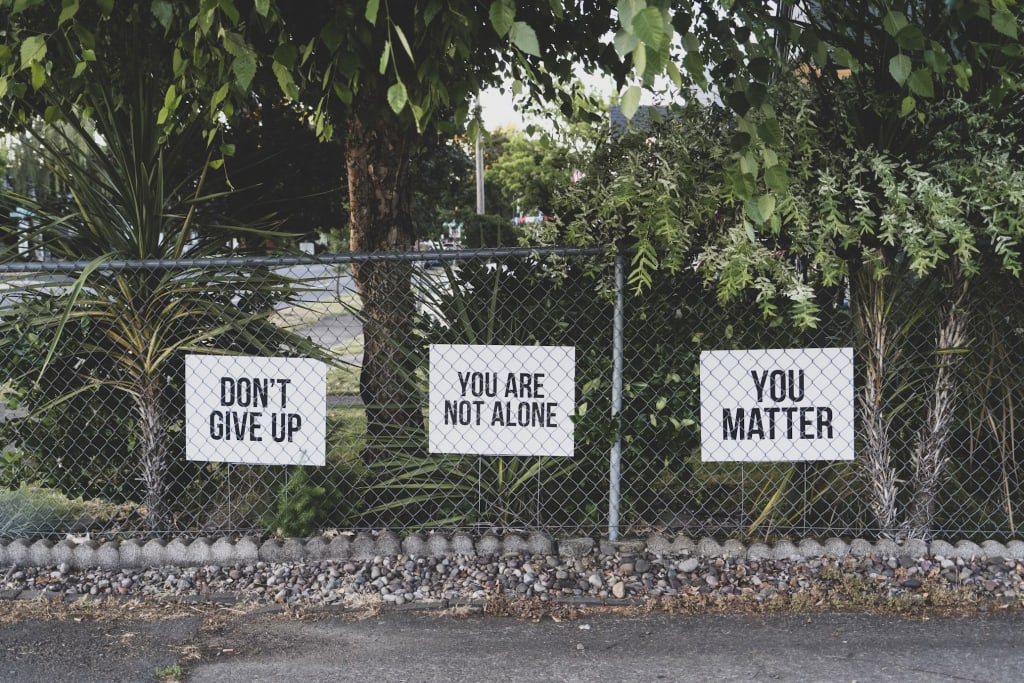
Mental health is an essential part of overall well-being, influencing how people think, feel, and behave. It encompasses emotional, psychological, and social aspects, impacting everyday life, relationships, and even physical health. In recent years, awareness of mental health issues has grown significantly, yet many people still struggle to understand its importance and how to maintain good mental health. This article explores mental health, common challenges, and strategies for promoting mental well-being
The Importance of Mental Health
Mental health affects every aspect of a person’s life, from how they manage stress to how they interact with others and make decisions. Good mental health allows individuals to realize their potential, cope with normal life stresses, work productively, and contribute to their communities. Conversely, poor mental health can affect every aspect of life, often leading to problems with physical health, relationships, and productivity.
The World Health Organization (WHO) defines mental health as a state of well-being in which an individual realizes their abilities, can cope with normal stresses of life, work productively, and contribute to their community. Mental health is not just the absence of mental illness but the presence of positive characteristics such as resilience, emotional balance, and social connections.
Common Mental Health Disorders
While everyone experiences periods of stress, anxiety, or sadness, persistent or severe mental health challenges can lead to the development of mental health disorders. Some of the most common mental health disorders include:
Depression: One of the most prevalent mental health issues globally, depression is characterized by persistent feelings of sadness, hopelessness, and a lack of interest in daily activities. Symptoms can range from mild to severe and may include changes in appetite, sleep patterns, and energy levels. Severe cases may lead to thoughts of self-harm or suicide.
Anxiety Disorders: Anxiety disorders involve excessive fear or worry about everyday situations. Common types include generalized anxiety disorder (GAD), panic disorder, and social anxiety disorder. These conditions can significantly interfere with daily functioning, causing physical symptoms such as restlessness, increased heart rate, and difficulty concentrating.
Bipolar Disorder: This condition is marked by extreme mood swings, ranging from depressive lows to manic highs. During manic episodes, individuals may feel euphoric, energized, or unusually irritable, while depressive episodes can leave them feeling sad or hopeless.
Post-Traumatic Stress Disorder (PTSD): PTSD can develop after someone experiences or witnesses a traumatic event. Symptoms include flashbacks, nightmares, severe anxiety, and uncontrollable thoughts about the event. PTSD can affect a person's ability to function in everyday life and maintain relationships.
Eating Disorders: These include anorexia nervosa, bulimia nervosa, and binge-eating disorder, which are often rooted in complex emotional and psychological issues. Eating disorders can have severe physical health consequences, including malnutrition and heart problems.
Obsessive-Compulsive Disorder (OCD): OCD is characterized by intrusive, unwanted thoughts (obsessions) and repetitive behaviors or mental acts (compulsions) aimed at reducing anxiety caused by these thoughts.
Factors Affecting Mental Health
Several factors can contribute to mental health problems, including:
Biological Factors: Genetics can play a significant role in determining an individual’s susceptibility to mental health disorders. Chemical imbalances in the brain, hormonal changes, and physical health conditions can also influence mental well-being.
Life Experiences: Traumatic events, such as abuse, the loss of a loved one, or chronic stress, can have lasting impacts on mental health. Childhood experiences are particularly crucial, as early trauma or neglect can affect emotional development.
Environmental Factors: Living conditions, relationships, work stress, and social support networks all impact mental health. Social isolation or a lack of supportive relationships can contribute to mental health challenges.
Substance Abuse: The misuse of alcohol, drugs, or other substances can exacerbate existing mental health problems or lead to new ones. Substance use can create a cycle of dependency, making it more difficult to manage mental health issues.
Strategies for Maintaining Mental Health
Maintaining good mental health requires ongoing effort, but it is achievable through lifestyle changes, therapy, and support from others. Some key strategies include:
Regular Exercise: Physical activity is not only beneficial for the body but also for the mind. Exercise releases endorphins, which improve mood and reduce symptoms of anxiety and depression.
Healthy Diet: A balanced diet rich in fruits, vegetables, and whole grains can have a positive effect on mood and energy levels. Certain nutrients, such as omega-3 fatty acids, have been linked to improved mental health.
Adequate Sleep: Sleep is critical for mental well-being. Lack of sleep can exacerbate mental health problems, while good sleep hygiene can improve mood, focus, and overall functioning.
Mindfulness and Meditation: Mindfulness practices, such as meditation and deep breathing, help individuals stay present and manage stress more effectively. These techniques can reduce anxiety and promote emotional balance.
Therapy: Speaking with a mental health professional, such as a therapist or counselor, can provide invaluable support. Cognitive-behavioral therapy (CBT) and other forms of psychotherapy are proven to help manage mental health issues.
Social Support: Building and maintaining relationships with family, friends, or support groups can provide emotional support and reduce feelings of loneliness.
Conclusion
Mental health is a critical aspect of overall well-being, affecting how individuals navigate their daily lives, form relationships, and cope with challenges. By understanding common mental health disorders and adopting strategies to maintain mental well-being, individuals can lead healthier, more fulfilling lives. Mental health should be treated with the same importance as physical health, and seeking help when needed is a sign of strength, not weakness.
About the Creator
Keep reading
More stories from Rebecca Smith and writers in Longevity and other communities.
Day 4 of Quitting
If this is how sobriety feels, maybe it’s better to go through life a little buzzed… this, along with other hits like, I want to kill myself, I wish I was dead, and I’m going to throw myself off a bridge have been the only thoughts on rotation these past few days. I promise myself that if, in a month, I still feel like this (‘this’ meaning despondent, full of rage, and simultaneously numb) I can go back to smoking. Until mid-February though? Nicotine is off the table.
By sleepy drafts15 days ago in Longevity
Global Dialysis Market Size and Forecast 2025–2033: Lifeline Technology in a World Facing a Kidney Health Crisis
Introduction: Dialysis at the Center of a Growing Global Health Emergency The global healthcare system is facing a silent but rapidly escalating crisis: the rising burden of chronic kidney disease (CKD) and end-stage renal disease (ESRD). As diabetes, hypertension, aging, and lifestyle-related disorders increase worldwide, dialysis has become a life-sustaining necessity for millions of patients.
By Sushant. Renub Researcha day ago in Longevity
How to Succeed at the Benson Directory®
Congratulations and welcome to the Benson Directory® employee #22391! As our newest call handler, you will have the privilege of speaking with dozens of unique and interesting people on a daily basis as well as the opportunity to earn bonuses for high performance. Contained within this handbook you will find a set of ease to follow instructions designed to help you settle in to your new role and begin paving the way to success.
By S. A. Crawford5 days ago in Fiction



Comments
There are no comments for this story
Be the first to respond and start the conversation.