
Understanding Large Pores on Your Face
Causes, Treatment, and Prevention

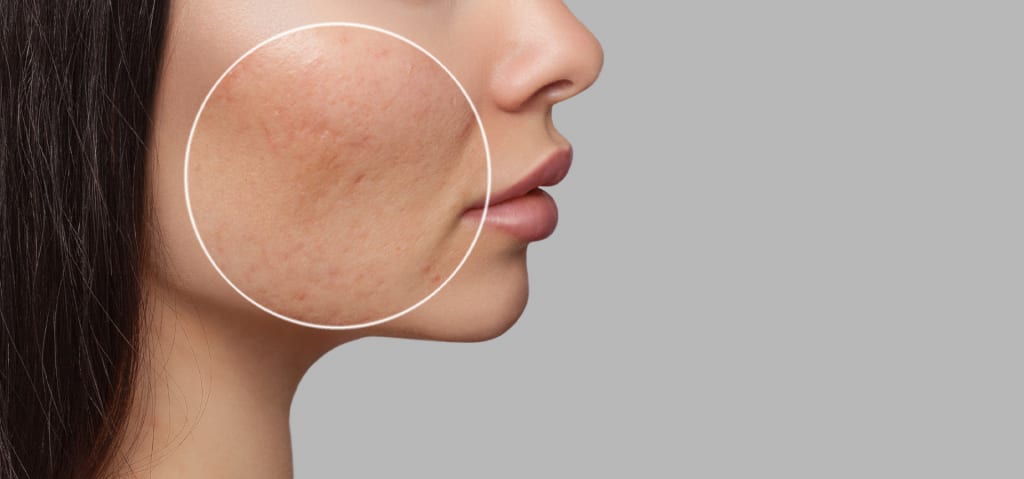
Large pores are a common skin concern that can affect people of all skin types and ages. Though they are natural and serve an important purpose, many individuals seek ways to reduce their appearance for smoother, more even-toned skin. In this article, we will explore the causes of large pores, how to treat them, and tips for preventing them in the future.
What Are Pores and Why Do They Appear Larger?
Pores are tiny openings on the surface of the skin that allow sweat, oil, and other substances to escape. Each pore is connected to a sebaceous gland that produces sebum, the skin's natural oil. Pores play a vital role in keeping the skin hydrated and protected from environmental damage.
However, when pores become clogged with excess oil, dead skin cells, or dirt, they can stretch and appear larger. This is especially common in areas with more sebaceous glands, such as the T-zone (forehead, nose, and chin).
Common Causes of Large Pores
Excessive Oil Production: People with oily skin are more prone to enlarged pores. The overproduction of sebum can clog the pores, making them appear larger.
1. Aging: As we age, the skin loses its elasticity and collagen production decreases. This makes pores appear more stretched and noticeable.
2. Sun Damage: Prolonged exposure to the sun can damage the skin's collagen and elastin fibers, leading to sagging skin and enlarged pores.
3. Genetics: Your genetics play a role in determining the size of your pores. If your parents had large pores, you might be more likely to have them as well.
4. Improper Skin Care: Not cleaning the skin thoroughly or using harsh products can contribute to clogged pores, which can cause them to expand.
Effective Treatments for Large Pores
There are several ways to minimize the appearance of large pores and keep your skin looking healthy:
1. Regular Cleansing
Keeping your skin clean is the first step in reducing pore size. Use a gentle cleanser that removes dirt, oil, and impurities without stripping the skin of its natural moisture. Consider using a foaming or salicylic acid-based cleanser, which helps break down oil and prevent clogged pores.
2. Exfoliation
Exfoliating your skin regularly helps to remove dead skin cells and unclog pores, preventing them from expanding. You can use physical exfoliants, such as scrubs, or chemical exfoliants, such as products containing alpha hydroxy acids (AHAs) or beta hydroxy acids (BHAs). For those with sensitive skin, opt for gentle exfoliation methods to avoid irritation.
3. Retinoids
Retinoids are a powerful form of Vitamin A that help promote collagen production and improve skin texture. By increasing cell turnover, retinoids can prevent pores from becoming clogged and minimize their appearance over time. If you have sensitive skin, start with a mild retinoid and gradually increase the strength.
4. Clay Masks
Clay masks are excellent for absorbing excess oil and drawing impurities from the skin. Applying a clay mask once or twice a week can help reduce the appearance of enlarged pores, particularly in the T-zone area.
5. Niacinamide
Niacinamide, or Vitamin B3, is a versatile ingredient that can help regulate oil production, improve skin elasticity, and reduce the appearance of pores. Look for serums or moisturizers containing niacinamide to help keep your pores looking smaller.
6. Sunscreen
Using sunscreen daily is crucial in protecting your skin from sun damage. Sun exposure can worsen the appearance of large pores by breaking down collagen and elastin. Choose a broad-spectrum sunscreen with SPF 30 or higher, and reapply every two hours when outside.
How to Prevent Large Pores
Preventing large pores is largely about maintaining a consistent skincare routine and adopting healthy lifestyle habits:
Avoid Touching Your Face: Touching your face can transfer dirt, oil, and bacteria, leading to clogged pores and potential breakouts. Always wash your hands before touching your face.
Stay Hydrated: Drinking plenty of water keeps your skin hydrated and helps regulate oil production. This can prevent your pores from becoming clogged.
Use Non-Comedogenic Products: Choose skincare and makeup products labeled “non-comedogenic,” which means they won’t clog your pores.
Maintain a Healthy Diet: Eating a balanced diet rich in fruits, vegetables, and lean proteins can support skin health and reduce excess oil production.
Avoid Smoking: Smoking reduces blood flow to the skin, which can contribute to aging and the appearance of enlarged pores.
While large pores are a natural part of the skin's anatomy, there are plenty of ways to minimize their appearance and maintain healthy, glowing skin. A consistent skincare routine that includes cleansing, exfoliating, and protecting your skin from sun damage can significantly reduce the visibility of large pores. Remember, results take time, so be patient and stick to your skincare routine for the best results. If over-the-counter treatments aren’t effective, consider consulting a dermatologist for more personalized advice and treatments.
By understanding the causes of large pores and how to treat them, you can take proactive steps to improve your skin's appearance and feel more confident in your skin.
About the Creator
Rossa
I am an ordinary woman with 2 children who live under the sun, same as you.
Blog: Happy Woman
Day 4 of Quitting
If this is how sobriety feels, maybe it’s better to go through life a little buzzed… this, along with other hits like, I want to kill myself, I wish I was dead, and I’m going to throw myself off a bridge have been the only thoughts on rotation these past few days. I promise myself that if, in a month, I still feel like this (‘this’ meaning despondent, full of rage, and simultaneously numb) I can go back to smoking. Until mid-February though? Nicotine is off the table.
By sleepy drafts14 days ago in Longevity
The Hidden Danger of Visceral Fat
Did you know that carrying excess body fat can dramatically increase your risk of serious diseases—even if you appear slim? Research has shown that women with higher body fat over 13 years had a three-fold increase in breast cancer risk. And it’s not just breast cancer—visceral fat has been linked to 14 other cancers, from colon to ovarian to prostate. This is the fat that hides deep inside your body, around your organs, quietly sabotaging your health.
By Edward Smith7 days ago in Longevity
Rachel Reviews: The Spiral Archive by Pieter Hendrik
It's difficult for me to know where to start with a review of this book as it was, for me, an entirely unique experience and one that I'll probably never have again. I don't want that to be interpreted as unenjoyable but it has left me scratching my head a little and ruminating on its content, its themes and its characters.
By Rachel Deeming3 days ago in BookClub



Comments
There are no comments for this story
Be the first to respond and start the conversation.