

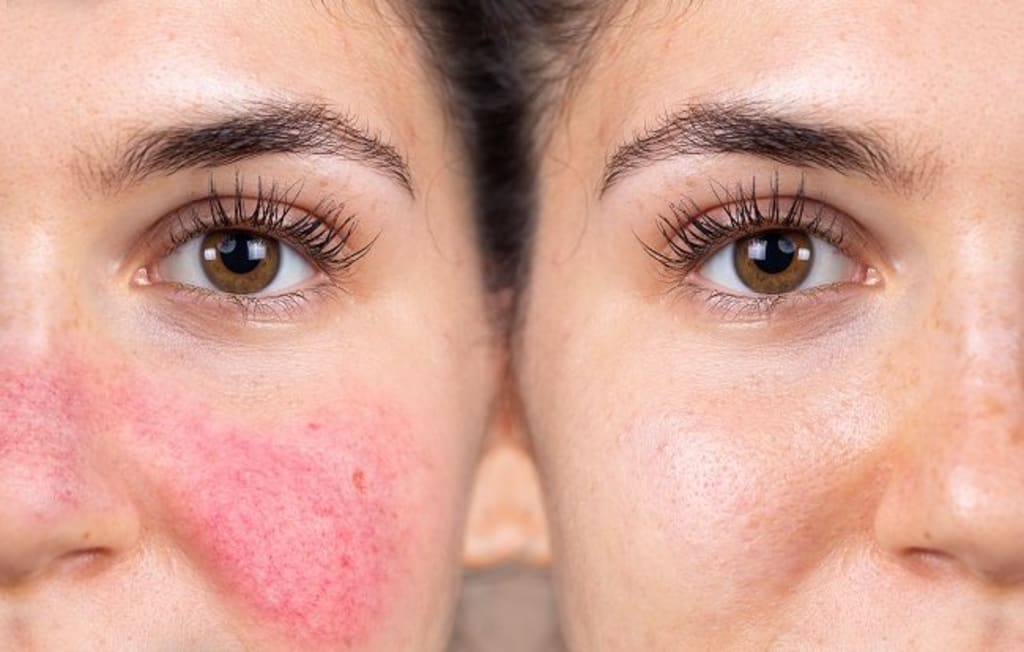
Rosacea is a common but often misunderstood skin condition that affects millions of people worldwide. It typically causes redness, visible blood vessels, and in some cases, acne-like bumps on the face. While it can impact anyone, it is most common in individuals with fair skin, particularly those of European descent. Understanding the causes, symptoms, and treatments for rosacea is crucial for managing the condition effectively and improving your skin’s appearance.
What is Rosacea?
Rosacea is a chronic inflammatory skin disorder that primarily affects the central part of the face, including the cheeks, nose, chin, and forehead. It can lead to persistent redness and, over time, can cause thickening of the skin. Though it is not a life-threatening condition, rosacea can significantly impact a person’s self-esteem and quality of life.
Symptoms of Rosacea
The symptoms of rosacea vary from person to person, and the condition can evolve over time. The most common signs and symptoms include:
- Facial Redness: Persistent redness or flushing on the cheeks, nose, or forehead is the hallmark symptom of rosacea. It may appear like a sunburn that doesn’t go away.
- Visible Blood Vessels: Small, visible blood vessels (also called spider veins) may appear on the skin, especially in the nose and cheek area.
- Bumps and Pimples: Rosacea often resembles acne, with small, red, pus-filled bumps appearing on the face.
- Eye Irritation: Many people with rosacea experience irritated, dry, or bloodshot eyes, a condition known as ocular rosacea.
- Thickened Skin: In severe cases, rosacea can lead to thickening of the skin, particularly around the nose, resulting in a condition known as rhinophyma.
Causes of Rosacea
The exact cause of rosacea is unknown, but several factors are believed to contribute to the development of the condition. These include:
- Genetics: There is evidence suggesting that rosacea may run in families, indicating a genetic predisposition to the condition.
- Blood Vessel Abnormalities: People with rosacea often have abnormalities in the blood vessels of the face, which may lead to increased redness and visible blood vessels.
- Environmental Triggers: Certain environmental factors can trigger rosacea flare-ups. These triggers may include sun exposure, hot or cold weather, spicy foods, alcohol, stress, and even certain skincare products.
- Immune System: Some experts believe that an overactive immune system may contribute to the inflammation seen in rosacea.
Diagnosis of Rosacea
A dermatologist can typically diagnose rosacea based on a physical examination of the skin and a discussion of symptoms. In some cases, a skin biopsy may be performed to rule out other conditions that may cause similar symptoms. It is important to consult with a healthcare provider to receive an accurate diagnosis and appropriate treatment plan.
Treatment Options for Rosacea
While there is no cure for rosacea, there are several effective treatments available to manage symptoms and reduce flare-ups. These treatments vary based on the severity of the condition and may include:
1. Topical Medications: Doctors often prescribe topical creams or gels that reduce redness, swelling, and pimples associated with rosacea. Common options include metronidazole, azelaic acid, and ivermectin.
2. Oral Medications: In cases where topical treatments are insufficient, oral antibiotics such as tetracycline, doxycycline, or minocycline may be prescribed to reduce inflammation.
3. Laser Therapy: For individuals with visible blood vessels or persistent redness, laser treatments may be effective. Lasers can target and reduce the appearance of blood vessels on the skin.
4. Skincare Regimen: Using a gentle skincare routine is essential for people with rosacea. Products that are fragrance-free, alcohol-free, and non-irritating can help soothe the skin and minimize flare-ups. Additionally, sunscreen is crucial to protect the skin from sun exposure, which can worsen rosacea symptoms.
Lifestyle Changes to Manage Rosacea
In addition to medical treatments, making certain lifestyle changes can help control rosacea flare-ups. Some helpful tips include:
1. Avoid Triggers: Keep track of potential triggers and make efforts to avoid them. Common triggers include extreme temperatures, spicy foods, alcohol, and stress.
2. Protect Your Skin: Always wear sunscreen with an SPF of 30 or higher when spending time outdoors to prevent sun exposure from aggravating your symptoms.
3. Use Gentle Skincare: Choose mild, hydrating skincare products that are free of harsh chemicals or fragrances that can irritate the skin.
Rosacea is a manageable condition that, with the right treatment and lifestyle adjustments, can be kept under control. If you notice symptoms of rosacea, it’s important to seek advice from a dermatologist who can guide you in finding the best treatment plan for your skin. By understanding your triggers, using the right products, and following an effective treatment regimen, you can reduce flare-ups and enjoy healthier, clearer skin.
About the Creator
Rossa
I am an ordinary woman with 2 children who live under the sun, same as you.
Blog: Happy Woman
Day 4 of Quitting
If this is how sobriety feels, maybe it’s better to go through life a little buzzed… this, along with other hits like, I want to kill myself, I wish I was dead, and I’m going to throw myself off a bridge have been the only thoughts on rotation these past few days. I promise myself that if, in a month, I still feel like this (‘this’ meaning despondent, full of rage, and simultaneously numb) I can go back to smoking. Until mid-February though? Nicotine is off the table.
By sleepy drafts13 days ago in Longevity
Best Kratom Strains for Euphoria, Energy, and Mood Enhancement
Kratom, also known as Mitragyna speciosa, is a tropical tree native to Southeast Asia. People use kratom in herbal form for pain relief, mood support, and opioid withdrawal. Others use it for recreational effects such as mild euphoria, higher energy, and lower anxiety. Common formats include tea, powder, and capsules.
By Jack Wilder6 days ago in Longevity



Comments (1)
Rosacea Is difficult. Well written. Good work!