
Understanding Kidney Cancer
Symptoms, Risk Factors, and Treatment Options

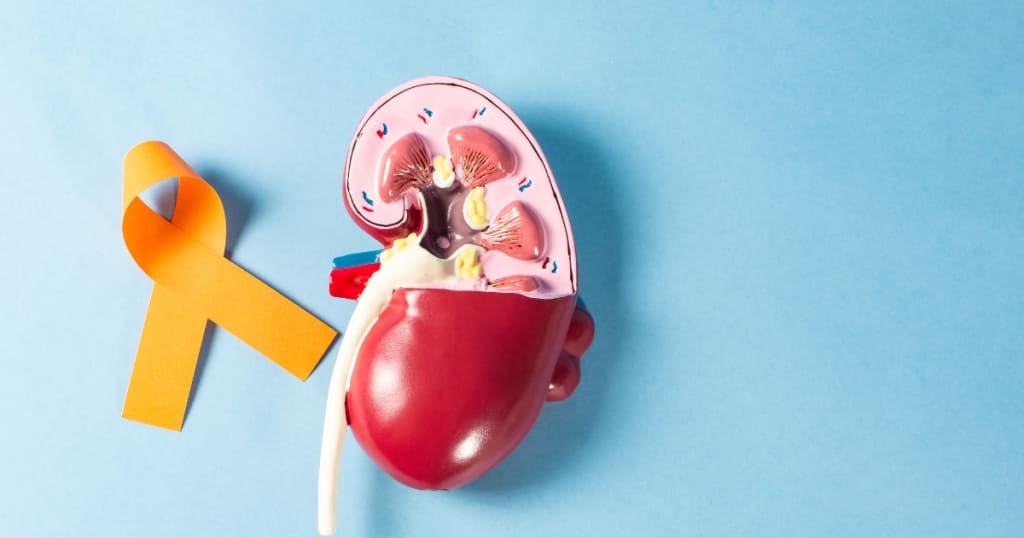
Kidney cancer, also known as renal cancer, originates in the kidneys, two bean-shaped organs located in the lower abdomen that play a crucial role in filtering waste from the blood and producing urine.
As per reports, kidney cancer is the 13th most prevalent form of cancer and is gradually turning out to be a massive health challenge. It is known to cause around 1.8 lakh deaths each year.
Reports also suggest that 1 in 600 women and 1 in 442 men are at a high risk of contracting kidney cancer in India. Current statistics indicate that this disease is more common in men than women.
This blog will explore the causes, risks and prevention of kidney cancer, with a particular focus on lifestyle mistakes that can impact kidney health and increase cancer risk.
What is Kidney Cancer?
Kidney cancer typically starts in the lining of the kidney’s tubules, which are part of the body’s filtering system. The most common type of kidney cancer in adults is renal cell carcinoma, accounting for about 90% of cases. Other less common types include transitional cell carcinoma, Wilms tumor and renal sarcoma.
Causes and Risk Factors
The exact cause of kidney cancer is not always clear, but several risk factors can increase the likelihood of developing the disease:
Smoking: Smokers are at a significantly higher risk of developing kidney cancer than non-smokers. The harmful chemicals in tobacco can damage kidney cells, leading to cancer.
Obesity: Excess body weight is linked to several types of cancer, including kidney cancer. Obesity can alter certain hormones that affect the development of cancerous cells.
Hypertension: High blood pressure is not only a risk factor for heart disease but also for kidney cancer. It can damage the kidneys over time, increasing the risk of cancer.
Family History: An individual’s risk increases if there is a family history of kidney cancer. Specific genetic conditions also elevate the risk.
Gender: Men are twice as likely to develop kidney cancer when compared to women.
Age: The risk of kidney cancer increases with age, most commonly affecting individuals over 60.
Lifestyle Mistakes Impacting Kidney Health
Maintaining kidney health is crucial for overall well-being and cancer prevention. Certain lifestyle mistakes can significantly increase the risk of kidney cancer and other kidney-related diseases:
Poor Diet: A diet high in processed foods, red meats and unhealthy fats can contribute to kidney damage. Consuming a balanced diet rich in fruits, vegetables, whole grains, and lean proteins supports kidney health and reduces cancer risk.
Lack of Hydration: Staying adequately hydrated helps the kidneys filter out toxins. Chronic dehydration can lead to kidney stones and other complications, which may increase the risk of cancer.
Excessive Alcohol Consumption: Drinking large amounts of alcohol can damage the kidneys and liver, increasing the risk of cancer.
Sedentary Lifestyle: Regular physical activity is essential for maintaining a healthy weight and reducing the risk of hypertension and diabetes, both of which are risk factors for kidney cancer.
Ignoring Symptoms: Early detection is critical for the successful treatment of kidney cancer. Ignoring symptoms such as blood in the urine, persistent back pain, unexplained weight loss and fatigue can delay diagnosis and treatment.
Prevention and Healthy Practices
Adopting healthy lifestyle habits can significantly reduce the risk of kidney cancer and promote overall kidney health. Here are some key practices to consider:
Maintain a Healthy Weight: Regular exercise and a balanced diet are essential for achieving and maintaining a healthy weight. This reduces the risk of obesity-related diseases, including kidney cancer.
Quit Smoking: One of the most effective ways to reduce the risk of kidney cancer is to quit smoking.
Control Blood Pressure: Managing hypertension through a healthy diet, regular exercise, and prescribed medications can protect the kidneys and lower cancer risk.
Stay Hydrated: Drinking plenty of water helps the kidneys function optimally.
Limit Alcohol: It is crucial to limit the consumption of alcohol as this helps protect the health of kidneys while boosting overall health and well-being.
Regular Check-ups: Routine medical check-ups can help detect any early signs of kidney problems. If you have risk factors such as a family history of kidney cancer, regular screenings are especially important.
Kidney cancer is a serious condition with various risk factors, many of which are related to lifestyle choices. By making informed decisions about diet, exercise, hydration, and avoiding harmful substances like tobacco and alcohol, individuals can significantly reduce their risk of developing kidney cancer.
Regular medical check-ups and paying attention to early symptoms are also crucial for early detection and successful treatment. Taking proactive steps toward maintaining kidney health is essential for overall well-being and long-term good health.
About the Creator
Amit Vats
Amit is an excellent writer and has accomplished greater heights with sound knowledge on digital marketing. His articles are focused on technology, healthcare and creative arts and have been read by people around the world.
The Importance of Mutual Aid in Community Building
Mutual aid plays a vital role in strengthening communities by fostering cooperation, shared responsibility, and collective care. At its core, mutual aid is the voluntary exchange of resources and services for the mutual benefit of those involved. Unlike traditional charity, which often operates through a top-down model where resources flow from donors to recipients, mutual aid emphasizes solidarity and collaboration. Everyone participates as both a giver and a receiver of support, creating stronger social bonds and more resilient communities.
By Wesley Oler IV2 days ago in Longevity



Comments
There are no comments for this story
Be the first to respond and start the conversation.