
Top Natural Alternatives to Whey Protein
Whey Protein Alternatives
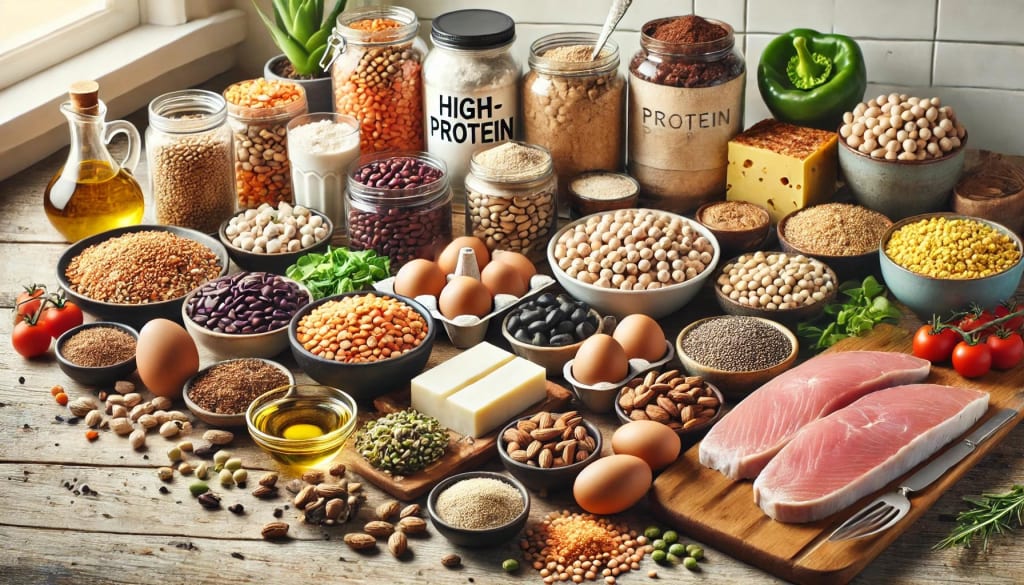
Whey protein has long been a staple for those looking to increase their protein intake, particularly in the fitness and health communities. Known for its fast absorption and complete amino acid profile, it has earned its reputation as a premium protein source. However, not everyone can or wants to consume whey protein—whether due to lactose intolerance, dairy allergies, ethical reasons, or personal preference.
Fortunately, there are a variety of natural alternatives to whey protein that can offer similar benefits without the need for animal products or dairy. In this article, we will explore the Whey Protein Alternatives to whey protein, examining their nutritional profiles, benefits, and why they might be the perfect fit for your diet.
Why Consider Natural Alternatives to Whey Protein?
There are several reasons why individuals might look for alternatives to whey protein, including:
Lactose Intolerance: Whey protein contains lactose, which can cause digestive issues such as bloating, cramps, and diarrhea for those who are lactose intolerant.
Dairy Sensitivities: For those with dairy allergies or who simply prefer to avoid dairy products, whey protein may not be a suitable option.
Vegan and Plant-Based Diets: As whey is an animal-derived product, it does not fit within a vegan or plant-based lifestyle. Vegan individuals often seek plant-based proteins to meet their nutritional needs.
Ethical and Environmental Considerations: Some people avoid whey protein due to concerns about animal welfare and the environmental impact of dairy farming.
Digestive Sensitivity: While whey protein is easily digestible for most people, some individuals may find it difficult to tolerate, leading them to seek out alternative protein sources.
Given these factors, it’s important to explore natural alternatives that can provide the same muscle-building and health-boosting benefits that whey protein offers, but without the drawbacks.
1. Pea Protein: A High-Quality Plant-Based Alternative
Pea protein is one of the most popular plant-based protein alternatives to whey. It is derived from yellow peas and has gained a reputation for its digestibility, amino acid profile, and muscle-building benefits.
Nutritional Profile and Benefits
Pea protein is a complete protein, meaning it contains all nine essential amino acids that your body cannot produce on its own. A typical serving of pea protein contains around 20-25 grams of protein per 30-gram serving, making it a solid alternative to whey in terms of protein content. Pea protein is also rich in branched-chain amino acids (BCAAs), which are crucial for promoting muscle growth and recovery.
One of the standout qualities of pea protein is its digestibility. Unlike some other plant-based proteins that can cause bloating or digestive discomfort, pea protein is relatively gentle on the stomach.
Why Choose Pea Protein?
Pea protein is an excellent choice for those who are vegan, lactose intolerant, or sensitive to dairy. It is also highly bioavailable, meaning your body can absorb and utilize it effectively. Additionally, pea protein is often fortified with iron, making it a great option for those looking to increase their iron intake, particularly vegetarians and vegans.
2. Hemp Protein: Nutrient-Dense and Easy on the Stomach
Hemp protein, derived from the seeds of the hemp plant, is another natural alternative to whey protein that offers unique nutritional benefits. While it may not have as high a protein content as pea or soy protein, it is still a powerful choice for those seeking a nutrient-dense and easily digestible protein source.
Nutritional Profile and Benefits
A 30-gram serving of hemp protein contains around 15-20 grams of protein, along with a significant amount of fiber. Hemp protein is particularly high in omega-3 fatty acids, which support heart health, reduce inflammation, and promote brain function. Additionally, hemp protein is rich in antioxidants, which can help reduce oxidative stress in the body.
One of the key benefits of hemp protein is that it is easy to digest and unlikely to cause bloating or discomfort, making it an excellent choice for individuals with sensitive stomachs.
Why Choose Hemp Protein?
Hemp protein is a fantastic choice for individuals who are looking for a plant-based protein that also provides healthy fats, fiber, and antioxidants. It’s perfect for people who want a whole-food-based protein that offers more than just protein, supporting heart health, digestive health, and anti-inflammatory benefits.
Additionally, hemp protein is gluten-free, soy-free, and dairy-free, making it suitable for a wide range of dietary needs.
3. Brown Rice Protein: Hypoallergenic and Easy to Digest
Brown rice protein is a hypoallergenic, plant-based protein that is made by extracting protein from brown rice. It’s a great option for people who have sensitivities to other protein sources, such as soy, gluten, or dairy. While brown rice protein is not a complete protein on its own, it is still a highly beneficial alternative to whey protein when paired with other plant-based proteins.
Nutritional Profile and Benefits
Brown rice protein contains around 20 grams of protein per 30-gram serving. It is rich in fiber, which helps support digestive health and keeps you feeling fuller for longer. While it lacks some of the essential amino acids, it can be paired with other plant proteins like pea protein to create a complete amino acid profile.
Brown rice protein is easily digestible, making it a great choice for people with sensitive digestive systems. It is also an excellent choice for those following gluten-free or soy-free diets.
Why Choose Brown Rice Protein?
Brown rice protein is an excellent choice for individuals with food sensitivities or allergies to soy, gluten, or dairy. It is also a good option for those looking for a protein source that is gentle on the digestive system. When combined with other plant-based proteins, it can offer a complete amino acid profile that supports muscle recovery and growth.
4. Soy Protein: A Complete and Versatile Protein
Soy protein is one of the most widely known plant-based proteins and is considered a complete protein because it contains all nine essential amino acids. Soy protein is often used in vegan protein powders and is a great option or those seeking an affordable and effective protein source.
Nutritional Profile and Benefits
A 30-gram serving of soy protein typically contains around 25 grams of protein. Soy protein is particularly high in branched-chain amino acids (BCAAs), which are essential for muscle recovery and growth. Additionally, soy contains beneficial plant compounds called isoflavones, which have been linked to improved heart health, bone density, and hormonal balance.
Soy protein is also very versatile and can be used in a variety of recipes, from smoothies to baked goods.
Why Choose Soy Protein?
Soy protein is a fantastic option for those who are vegan, lactose intolerant, or seeking a high-protein plant-based option. It’s perfect for people looking for a complete protein that supports muscle growth and recovery. However, soy protein should be avoided by individuals with soy allergies.
5. Egg White Protein: A High-Quality Animal Protein
For those who are not vegan but prefer to avoid whey protein, egg white protein is an excellent natural alternative. It is one of the highest-quality animal proteins, offering a complete amino acid profile and being easy to digest.
Nutritional Profile and Benefits
Egg white protein contains about 20-25 grams of protein per 30-gram serving, with minimal fat and carbohydrates. It is also an excellent source of B vitamins, including riboflavin, which supports energy metabolism. Egg white protein is highly bioavailable, meaning the body can easily absorb and utilize it.
While egg white protein is not suitable for individuals with egg allergies, it is a great option for anyone looking for a clean, lean protein source.
Why Choose Egg White Protein?
Egg white protein is ideal for individuals looking for a high-quality animal protein that is low in fat and carbs. It’s a great option for those who need a lean protein source for muscle growth, repair, and recovery.
Conclusion: Choosing the Best Natural Alternative to Whey Protein
The decision to opt for a natural alternative to whey protein depends on your individual dietary needs, health goals, and lifestyle preferences. Here’s a quick guide to help you decide:
Pea Protein: Great for those seeking a complete plant-based protein that is easily digestible and rich in BCAAs.
Hemp Protein: Ideal for those looking for a nutrient-dense protein that provides healthy fats, fiber, and antioxidants.
Brown Rice Protein: Perfect for those with food sensitivities or those seeking a gentle, hypoallergenic protein.
Soy Protein: A great option for those looking for a complete plant-based protein with added health benefits, particularly for heart health.
Egg White Protein: Excellent for those who prefer an animal-based protein that is low in fat and carbs.
By selecting the right protein source for your needs, you can ensure that you're getting the protein you need to support your fitness, health, and overall well-being without relying on whey protein.
https://prorganiq.com/blogs/new/7-alternatives-to-whey-protein
About the Creator
Keep reading
More stories from Why Proteins Are Called Bodybuilding Food and writers in Longevity and other communities.
Best Fish for Protein Intake and Optimal Health
Protein is an essential macronutrient that plays a crucial role in muscle growth, tissue repair, and overall health. While many people turn to chicken, beef, or plant-based sources for their protein intake, fish stands out as one of the healthiest options. Not only is fish packed with high-quality protein, but it is also rich in essential nutrients like omega-3 fatty acids, vitamin D, and B vitamins, all of which contribute to overall well-being.
By Why Proteins Are Called Bodybuilding Food11 months ago in Longevity
Day 4 of Quitting
If this is how sobriety feels, maybe it’s better to go through life a little buzzed… this, along with other hits like, I want to kill myself, I wish I was dead, and I’m going to throw myself off a bridge have been the only thoughts on rotation these past few days. I promise myself that if, in a month, I still feel like this (‘this’ meaning despondent, full of rage, and simultaneously numb) I can go back to smoking. Until mid-February though? Nicotine is off the table.
By sleepy drafts12 days ago in Longevity
Lung Cancer Diagnostics Market Size and Forecast 2025–2033
Introduction: A Market at the Center of Early Cancer Care Lung cancer remains one of the world’s most challenging public health burdens, accounting for millions of new cases and deaths each year. Yet the narrative around lung cancer is changing. Advances in imaging, molecular diagnostics, and biomarker-driven testing are moving detection earlier, improving treatment selection, and ultimately extending survival. This transformation is reflected in the expanding commercial landscape for diagnostic technologies.
By jaiklin Fanandish5 days ago in Longevity
Center Stage with Paul Stewart
*** I'm keen to republish the interviews I did for my series with Vocal creators. It's been a few years and I thought it might be nice to revisit these wonderful conversations. I'll be releasing them one at a time for a few weeks/months.
By Heather Hubler4 days ago in Interview




Comments
There are no comments for this story
Be the first to respond and start the conversation.