
Best Fish for Protein Intake and Optimal Health
High-Protein Fish
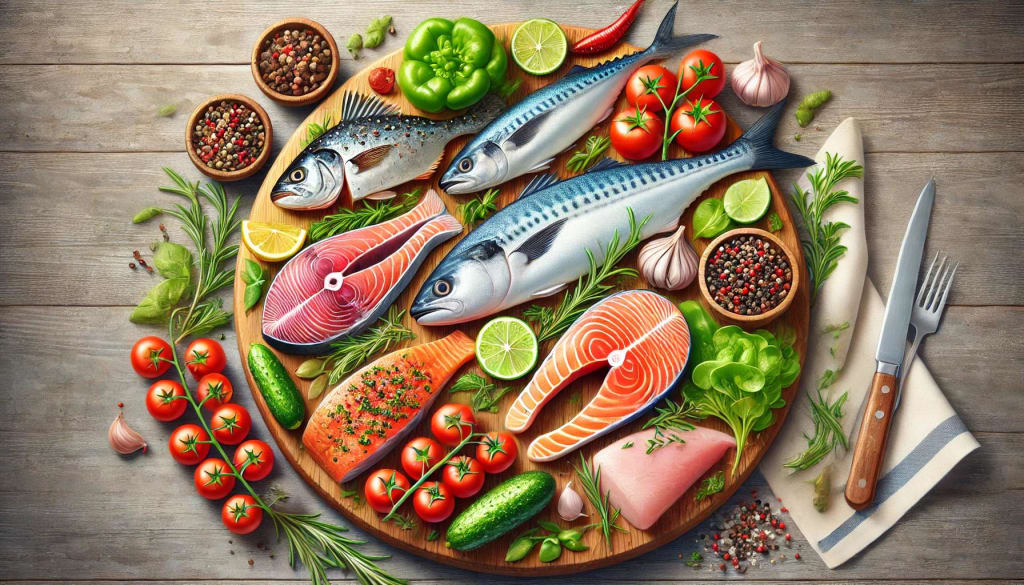
Protein is an essential macronutrient that plays a crucial role in muscle growth, tissue repair, and overall health. While many people turn to chicken, beef, or plant-based sources for their protein intake, fish stands out as one of the healthiest options. Not only is fish packed with high-quality protein, but it is also rich in essential nutrients like omega-3 fatty acids, vitamin D, and B vitamins, all of which contribute to overall well-being.
If you’re looking to increase your protein intake while reaping numerous health benefits, adding fish to your diet is a smart choice. Let’s explore the best fish that provide the High-Protein Fish while promoting optimal health.
Why Choose Fish as a Protein Source?
Fish is considered one of the best sources of lean, complete protein, meaning it contains all nine essential amino acids required for muscle repair, immune function, and energy production. Unlike red meat, fish is generally low in unhealthy fats while being packed with omega-3 fatty acids, which support heart health, reduce inflammation, and improve brain function.
In addition to being an excellent protein source, fish is also rich in essential vitamins and minerals such as vitamin B12, iodine, selenium, and magnesium. These nutrients help regulate metabolism, support brain function, and contribute to overall longevity.
Top Fish for High Protein Intake and Health Benefits
Tuna – The Protein King
Protein: ~29 grams per 100 grams
Why It’s Great: One of the highest-protein fish, extremely lean, and rich in omega-3s.
Health Benefits: Supports muscle repair, reduces inflammation, and promotes heart health.
Best Ways to Eat It: Grilled, seared, or canned for convenience in salads and wraps.
Salmon – A Nutrient Powerhouse
Protein: ~25 grams per 100 grams
Why It’s Great: Packed with protein and healthy fats, making it ideal for both muscle growth and heart health.
Health Benefits: Rich in omega-3s for brain function, anti-inflammatory properties, and vitamin D for strong bones.
Best Ways to Eat It: Baked, grilled, or smoked for a flavorful, nutrient-rich meal.
Halibut – A High-Protein White Fish
Protein: ~23 grams per 100 grams
Why It’s Great: Lean and packed with essential minerals like magnesium and potassium.
Health Benefits: Helps regulate muscle function, supports cardiovascular health, and aids in weight management.
Best Ways to Eat It: Grilled or pan-seared with light seasoning.
Cod – A Lean, High-Protein Option
Protein: ~20 grams per 100 grams
Why It’s Great: Low in calories and fat while offering a high amount of protein.
Health Benefits: Supports metabolism, provides B vitamins for energy, and improves skin health.
Best Ways to Eat It: Works well in baked, grilled, or steamed dishes.
Mackerel – A Protein and Omega-3 Powerhouse
Protein: ~21 grams per 100 grams
Why It’s Great: A perfect combination of protein and heart-healthy omega-3 fatty acids.
Health Benefits: Lowers cholesterol, reduces muscle inflammation, and boosts brain function.
Best Ways to Eat It: Best grilled, smoked, or added to salads.
Sardines – A Small Fish with Big Benefits
Protein: ~25 grams per 100 grams
Why It’s Great: High in protein, calcium, and vitamin D, making it a superfood for bone health.
Health Benefits: Supports heart health, strengthens bones, and boosts the immune system.
Best Ways to Eat It: Available canned or fresh, sardines can be eaten on their own or added to salads.
Tilapia – A Budget-Friendly High-Protein Fish
Protein: ~21 grams per 100 grams
Why It’s Great: Low in fat and widely available, making it an affordable high-protein option.
Health Benefits: Helps with weight management, supports muscle growth, and is easy to digest.
Best Ways to Eat It: Works well in stir-fries, grilled dishes, or seafood curries.
Trout – A High-Protein Alternative to Salmon
Protein: ~22 grams per 100 grams
Why It’s Great: Offers similar health benefits to salmon but with a slightly milder flavor.
Health Benefits: Supports cardiovascular health, enhances muscle recovery, and aids brain function.
Best Ways to Eat It: Enjoy grilled, baked, or pan-seared with fresh herbs and lemon.
Haddock – A Lean, Low-Calorie Protein Source
Protein: ~19 grams per 100 grams
Why It’s Great: High in protein and low in fat, making it great for those on a lean diet.
Health Benefits: Provides essential nutrients like selenium and phosphorus for metabolism support.
Best Ways to Eat It: Great for soups, stews, or simple grilled meals.
Pollock – A Sustainable and Protein-Rich Choice
Protein: ~19 grams per 100 grams
Why It’s Great: A sustainable fish that provides high-quality protein with minimal fat.
Health Benefits: Supports heart health, helps with weight loss, and is rich in B vitamins.
Best Ways to Eat It: Perfect for baked fish fillets, tacos, or stir-fries.
Shrimp – A Low-Calorie, High-Protein Seafood Option
Protein: ~24 grams per 100 grams
Why It’s Great: High in protein and extremely low in fat, making it great for lean muscle development.
Health Benefits: Supports immune function, enhances muscle recovery, and promotes skin health.
Best Ways to Eat It: Grilled, sautéed, or added to salads and stir-fries.
Health Benefits of Eating High-Protein Fish
Supports Muscle Growth and Recovery
The high protein content in fish helps repair and rebuild muscle fibers after exercise, promoting faster recovery and increased strength.
Enhances Heart and Brain Health
Fatty fish like salmon, mackerel, and sardines are rich in omega-3s, which improve heart function, reduce cholesterol, and enhance cognitive performance.
Aids in Weight Management
High-protein fish promotes satiety, helping regulate appetite and prevent overeating, making it an excellent choice for weight loss and maintenance.
Boosts Energy and Metabolism
Fish is packed with B vitamins, particularly B6 and B12, which support energy production and metabolic efficiency.
Strengthens Bones and Joints
Many high-protein fish contain vitamin D, calcium, and phosphorus, which contribute to strong bones and help prevent osteoporosis.
How to Incorporate High-Protein Fish into Your Diet
Grilled or Baked Fish for a Healthy, Lean Meal
Grilling or baking fish keeps it high in protein while preserving its natural nutrients.
Fish-Based Soups and Stews for a Protein-Rich Dish
Adding fish to soups and stews creates a warm, satisfying meal packed with protein.
Fish Tacos or Wraps for a Flavorful Protein Boost
Using grilled or baked fish in tacos or wraps is a delicious way to enjoy high-protein seafood with fresh vegetables.
Pairing Fish with Whole Grains for a Balanced Meal
Combining fish with quinoa, brown rice, or roasted vegetables ensures a well-rounded meal with protein and fiber.
Conclusion: Fuel Your Body with High-Protein Fish
For those looking to improve their protein intake while maintaining optimal health, fish is one of the best options. Whether you choose salmon, tuna, cod, halibut, mackerel, or shrimp, each type of fish provides essential nutrients that support muscle growth, heart health, and overall well-being.
By making high-protein fish a regular part of your diet, you can enjoy a delicious, nutrient-dense meal plan that fuels your body and enhances your health.
https://prorganiq.com/blogs/new/10-high-protein-fish-in-india
About the Creator
Keep reading
More stories from Why Proteins Are Called Bodybuilding Food and writers in Longevity and other communities.
Why Proteins Are the Ultimate Nutrient for Strength Training
Strength training is all about building muscle, increasing endurance, and enhancing physical performance. While exercise provides the stimulus for growth, proper nutrition—especially protein intake—is essential for muscle repair, recovery, and strength gains.
By Why Proteins Are Called Bodybuilding Food11 months ago in Longevity
Day 4 of Quitting
If this is how sobriety feels, maybe it’s better to go through life a little buzzed… this, along with other hits like, I want to kill myself, I wish I was dead, and I’m going to throw myself off a bridge have been the only thoughts on rotation these past few days. I promise myself that if, in a month, I still feel like this (‘this’ meaning despondent, full of rage, and simultaneously numb) I can go back to smoking. Until mid-February though? Nicotine is off the table.
By sleepy drafts12 days ago in Longevity
Saudi Arabia Medical Ceramic Market Size and Forecast 2025–2033
The Saudi Arabia Medical Ceramic Market is expected to reach US$ 340.42 million by 2033, up from US$ 188.15 million in 2024, expanding at a CAGR of 6.81% during 2025–2033. This strong growth trajectory reflects rising healthcare expenditures, an aging population, increasing demand for complex surgical procedures, and rapid developments in biocompatible materials for orthopedic and dental applications. As Saudi Arabia continues to transform its healthcare ecosystem under Vision 2030, medical ceramics are emerging as a foundational material supporting advanced diagnostics, minimally invasive surgery, and long-term implant solutions.
By Aaina Oberoi5 days ago in Longevity


Comments
There are no comments for this story
Be the first to respond and start the conversation.