
Title: Understanding Myositis: Causes, Symptoms, and Treatment Options
Living with Myositis: Coping Strategies and Support for Patients and Their Families
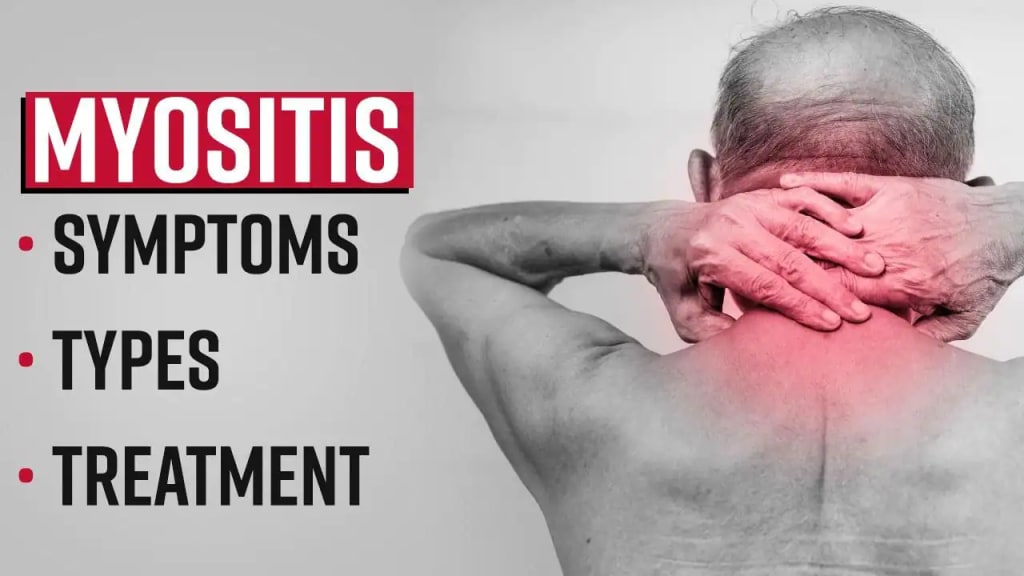
Myositis is a rare and complex autoimmune disease that affects the muscles of the body, leading to inflammation, weakness, and wasting of the muscles. This condition is caused by an overactive immune system that attacks healthy muscle tissue, resulting in various forms of muscle weakness and pain. Several types of myositis include polymyositis, dermatomyositis, inclusion body myositis, and necrotizing myopathy. Each type of myositis has its own set of symptoms, causes, and treatments.
Polymyositis is a type of myositis that affects the skeletal muscles, causing progressive weakness in the muscles that control movement. This type of myositis typically affects the proximal muscles (muscles closest to the body), such as the hips, shoulders, neck, and upper arms. Polymyositis can also affect the muscles of the respiratory system, leading to difficulty breathing.
Dermatomyositis is a type of myositis that affects both the muscles and the skin. This type of myositis causes a characteristic rash on the face, chest, back, and hands and muscle weakness. Dermatomyositis can also affect the heart, lungs, and digestive system, leading to various complications.
Inclusion body myositis is a type of myositis that primarily affects the muscles of the hands, fingers, wrists, and legs. This type of myositis is characterized by slow, progressive muscle weakness that typically begins after age 50.
Necrotizing myopathy is a type of myositis that is characterized by severe muscle weakness and wasting. This type of myositis can affect both the proximal and distal muscles (muscles furthest from the body), and can lead to difficulty swallowing and breathing. The exact cause of myositis is unknown, but it is believed to be related to a combination of genetic and environmental factors. Some people with myositis have a family history of the condition, while others develop it spontaneously. Environmental factors such as viral infections or exposure to certain toxins may also contribute to the development of myositis. Diagnosis of myositis involves a combination of physical examination, blood tests, imaging studies, and muscle biopsy.
Treatment for myositis typically involves a combination of medications, physical therapy, and lifestyle changes. Medications used to treat myositis include corticosteroids, immunosuppressants, and biological drugs. These medications work by suppressing the immune system and reducing inflammation in the muscles. Physical therapy can help to improve muscle strength and function, while lifestyle changes such as a healthy diet, regular exercise, and stress management can help to improve overall health and well-being. Although myositis can be a challenging condition to live with, there are many resources available to help manage the symptoms and improve the quality of life. Support groups, counselling, and patient education programs can provide valuable information and emotional support to people with myositis and their families.
In conclusion, myositis is a rare and complex autoimmune disease that affects the body's muscles, leading to inflammation, weakness, and muscle wasting. There are several types of myositis, each with its own set of symptoms, causes, and treatments. Although the exact cause of myositis is unknown, it is believed to be related to a combination of genetic and environmental factors. Treatment for myositis typically involves a combination of medications, physical therapy, and lifestyle changes. With the right care and management, people with myositis can live full and satisfying lives.
About the Creator
Keep reading
More stories from Lakshmi Seshadri and writers in Longevity and other communities.
Virat Kohli: The Inspiring Journey of a Cricket Legend.
Virat Kohli is a renowned Indian cricketer, born on November 5, 1988, in Delhi, India. He is widely considered one of the greatest batsmen of all time, known for his aggressive and confident playing style.
By Lakshmi Seshadri3 years ago in Unbalanced
Day 4 of Quitting
If this is how sobriety feels, maybe it’s better to go through life a little buzzed… this, along with other hits like, I want to kill myself, I wish I was dead, and I’m going to throw myself off a bridge have been the only thoughts on rotation these past few days. I promise myself that if, in a month, I still feel like this (‘this’ meaning despondent, full of rage, and simultaneously numb) I can go back to smoking. Until mid-February though? Nicotine is off the table.
By sleepy drafts11 days ago in Longevity
The Six Things I Refuse to Sacrifice When It Comes to Health
I've watched people negotiate with their health for years. They don't call it that, of course. They call it being busy. Or realistic. Or flexible. Or "in a season." But what they're actually doing is trading long-term function for short-term convenience and hoping it doesn't catch up to them.
By Destiny S. Harrisabout 11 hours ago in Longevity
Wild Card Weekend Recap: What Happens Now?
I think I figured out why I love Wild Card Weekend so much. It's because it's the first playoff anything of the calendar year. The NFL season starts in the fall, and once upon a time, the champion was crowned either on or slightly before New Year's. The evolution of the NFL schedule has resulted in the playoffs starting just into the New Year, and currently, the final week of the season falls on the first weekend of the New Year, with Wild Card Weekend coming a week after that. So yes, chronologically, the NFL's Wild Card Weekend serves as the first playoff anything of the calendar year.
By Clyde E. Dawkins5 days ago in Unbalanced



Comments (1)
very nice... also visit my blogs and support me.. thank you!!