
🕒 Time to Thrive: Unlocking the Power of Intermittent Fasting for Better Health
A Science-Backed Guide to Smarter Eating, Better Health, and Lasting Energy

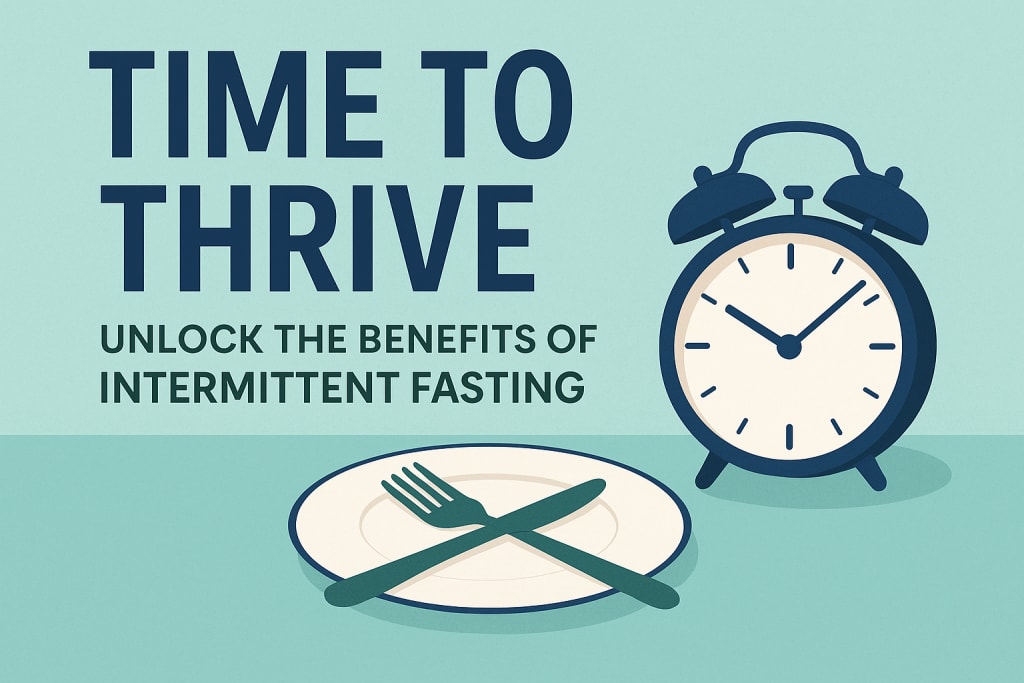
Intermittent fasting (IF) has surged in popularity as a flexible, easy-to-follow eating approach. Not just a diet, it’s a lifestyle choice focused on when you eat rather than what you eat. Recent studies spotlight its potential benefits—from weight loss and blood-sugar regulation to improved cognitive health. But like any health practice, it comes with caveats and isn’t one-size-fits-all. This article explores the science, practical tips, natural remedies, and FAQs to help you decide if intermittent fasting is right for you.
🔍 What Is Intermittent Fasting?
Intermittent fasting involves cycling between periods of eating and fasting. Unlike restrictive diets, it doesn’t tell you what foods to eat—but when to eat them. Here are the most common methods:
16/8 Method: Fast for 16 hours, eat within an 8-hour window (e.g. 12pm–8pm).
5:2 Diet: Eat normally five days a week, limit intake to 500–600 calories on two days.
Alternate-Day Fasting: Eat every other day or alternate between normal and low-calorie days.
Scientific studies suggest that IF triggers a "metabolic switch," where the body shifts from using glucose to burning stored fat for energy—resulting in multiple health benefits.
🔬 The Latest Scientific Findings
1. Weight Loss & Metabolic Health
A 2025 study published in Nature Medicine revealed that people who followed early time-restricted eating lost 3–4 kg more than those on traditional diets. IF also improves insulin sensitivity, lowers fasting glucose levels, and supports healthy metabolism.
2. Heart Health Support
Intermittent fasting has been shown to reduce LDL cholesterol, blood pressure, and inflammatory markers—major risk factors for heart disease. However, skipping breakfast entirely (a common form of IF) has been linked to increased cardiovascular risks in some observational studies. It’s important to tailor your fasting schedule wisely.
3. Cognitive and Cellular Benefits
IF enhances brain function by boosting the production of brain-derived neurotrophic factor (BDNF), a protein linked to memory and learning. It also promotes autophagy, a cellular cleanup process that removes damaged cells and supports longevity.
💡 Top Intermittent Fasting Tips for Success
1. Choose the Right Fasting Window
Begin with a 12-hour fast overnight and gradually work up to 14 or 16 hours. Early time-restricted eating (e.g., 8am–4pm) aligns best with your circadian rhythm and may offer the greatest benefits.
2. Prioritize Nutrition
Break your fast with nutrient-dense meals—include lean proteins, healthy fats (like avocados and nuts), fiber-rich vegetables, and whole grains. Avoid processed foods and sugar-loaded snacks.
3. Stay Hydrated
Water is your best friend during a fast. Herbal teas and black coffee (without sugar or cream) can also help manage hunger while keeping you hydrated.
4. Support Your Lifestyle
Light exercise (like walking or yoga) during fasting periods can enhance fat burning and improve mood. Sleep and stress management are equally essential to fasting success.
🌿 Natural Remedies to Support Your Fasting Journey
• Ashwagandha
This adaptogenic herb helps manage cortisol (stress hormone) levels, which can otherwise hinder fat loss and increase cravings.
• Chamomile Tea
Calming and caffeine-free, chamomile tea supports better sleep and can reduce late-night snacking urges.
• Probiotics
Healthy gut bacteria influence everything from digestion to mood. Adding probiotics can improve gut health, especially when combined with a clean eating window.
⚠️ Intermittent Fasting: Is It Safe for Everyone?
While IF is safe for many, it's not ideal for:
Pregnant or breastfeeding women
People with diabetes or low blood pressure
Children and teens
Anyone with a history of eating disorders
Always consult your doctor before starting a fasting regimen, especially if you have underlying health conditions.
✅ Benefits of Intermittent Fasting (Quick Summary)
🔥 Burns stored fat efficiently
🩺 Improves insulin sensitivity and blood sugar control
🧠 Supports brain health and mental clarity
💓 May reduce heart disease risk factors
🧬 Promotes cell repair and longevity
About the Creator
Health Advisor
Discover trusted health insights at Health Advisor. Our expert contributors share evidence-based articles on nutrition, fitness, mental health, preventive care, and emerging healthcare trends.
Keep reading
More stories from Health Advisor and writers in Longevity and other communities.
10 Signs Your Gut Health Is Out of Balance (And How to Restore It Naturally)
Your gut isn’t just where food is digested—it’s the command center of your health. A balanced gut microbiome plays a crucial role in immunity, energy, skin health, and even your mood. But modern diets, stress, medications, and poor lifestyle habits can easily disrupt this fragile ecosystem. Here are 10 subtle yet powerful signs your gut health might be out of balance—and simple, natural ways to fix it.
By Health Advisor10 months ago in Longevity
Why Your Brain Feels Foggy During the Day
Why Your Brain Feels Foggy? Have you ever sat in class or tried to study, only to realize that your brain just isn’t cooperating? You read the same sentence three times, struggle to focus, and feel mentally drained even though the day has barely started. Many students experience this feeling, often described as “brain fog.”
By Being Inquisitive6 days ago in Longevity


Comments
There are no comments for this story
Be the first to respond and start the conversation.