
The Texture of Time: Slowing Down Enough to Feel It

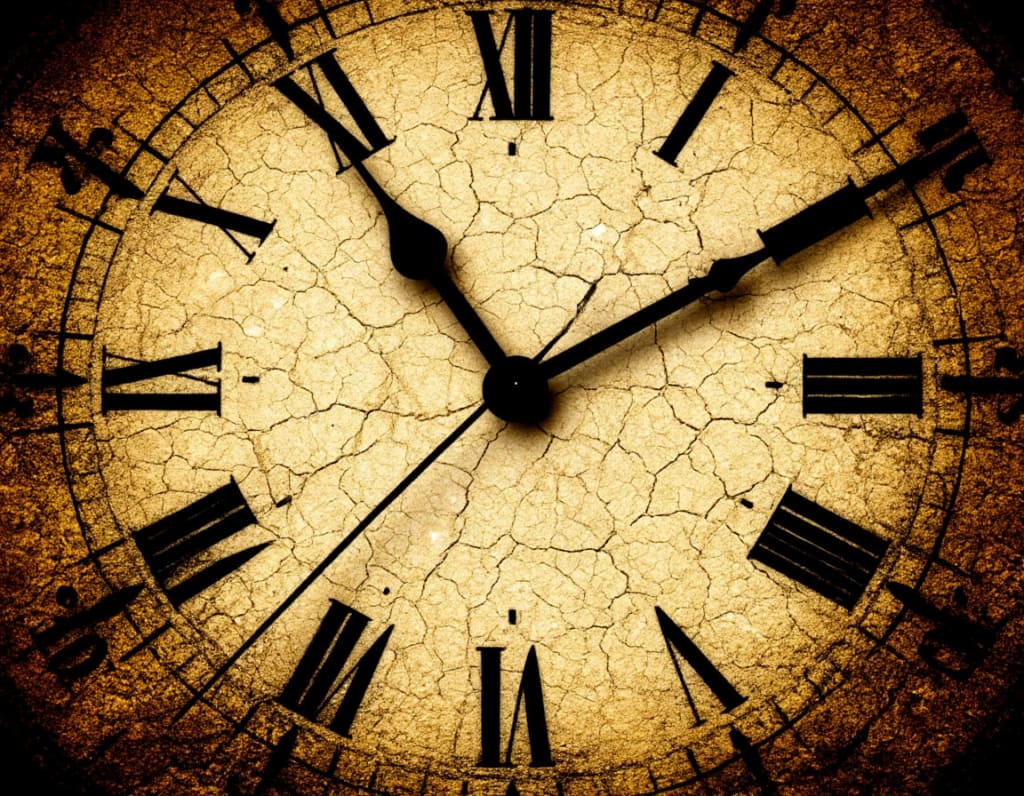
In a world that glorifies speed, the idea of slowing down can feel almost rebellious. Every second is filled, every moment accounted for — and yet, when we pause long enough, time itself begins to shift. It softens, stretches, and takes on texture. What once felt like a blur becomes something tangible, something you can almost touch. This is the paradox of mindfulness: when you stop chasing time, you begin to feel it.
There’s a quiet art to noticing the subtle layers of each moment — the warmth of sunlight on your skin, the rhythm of your own breath, the hum of a distant sound. These fragments often pass unnoticed, swallowed by the rush. But when you choose to move slowly, even the smallest details become extraordinary. The pace of your awareness changes the quality of your experience. Slowness becomes not just an act of resistance, but a doorway to intimacy with life itself.
The texture of time reveals itself most clearly when we let go of multitasking. Sitting with a cup of tea without checking your phone, walking without headphones, breathing without purpose — these are small rebellions against fragmentation. As your attention settles, minutes expand. What used to feel fleeting begins to feel full. You realize that time isn’t just something to manage; it’s something to inhabit.
Meditation, especially when practiced regularly, helps train this awareness. Each inhale and exhale become markers of presence, gentle reminders that life happens now. You start to notice that time isn’t linear; it’s layered — full of pauses, sensations, and textures that only stillness can reveal. Through slow breathing and mindful attention, you step into a deeper rhythm, one that aligns with your body rather than your calendar.
This process is less about control and more about surrender. When you release the need to “use” every moment efficiently, you begin to experience time as something generous, not scarce. The seconds don’t disappear; they unfold. In this unfolding, you rediscover ease. You realize that spaciousness isn’t about having more time, but about being within time differently.
The modern world often teaches us to treat time as a resource to be consumed. Yet, through mindfulness and simple presence, we remember that time is also a relationship. Like breath, it moves through us. The more we resist it, the tighter it feels. The more we let it flow, the more it nourishes. As described in this reflection on meditation and awareness, the practice of slowing down is not about doing less — it’s about feeling more.
So the next time you find yourself rushing from one moment to the next, pause. Feel the ground beneath you, the air moving through your lungs, the silence between heartbeats. This is time — textured, alive, and waiting to be touched.
Slowing down is not a retreat from life; it’s an entry into it. When you allow time to reveal its depth, the world no longer races past you. Instead, it opens — tenderly, quietly — at the exact pace of your breath.
When you begin to slow down deliberately, you also start to notice how your body measures time differently from your mind. The body lives in rhythm — heartbeat, breath, pulse — while the mind rushes ahead into plans and worries. By syncing with your body’s natural tempo, you reclaim something essential: an embodied sense of presence. Each movement, each breath becomes a reminder that you exist here, now. You start to feel time not as a pressure, but as a pulse — steady, grounding, and intimately yours.
This way of living doesn’t mean abandoning goals or ambition. It means letting stillness coexist with motion. In slowing down, you cultivate depth rather than delay; richness rather than restlessness. The texture of time, when truly felt, teaches you to live more fully — not by adding more moments, but by entering the ones you already have. The art of presence is not about escaping the world’s pace, but about remembering that beneath all its noise, time still breathes quietly, waiting for you to listen.
About the Creator
Jonse Grade
Meditation enthusiast and writer of articles on https://meditation-life.com/
Keep reading
More stories from Jonse Grade and writers in Longevity and other communities.
Transitions as Practice: Finding Presence Between Tasks
We often think of mindfulness as something that happens during meditation — sitting quietly, breathing, centering, and resetting. But what if the true test of presence isn’t in stillness, but in motion? Between one email and the next, between turning off your phone and stepping into a meeting, between closing your laptop and opening your front door — there lies a sacred pause, a threshold moment that we usually rush past. These in-between spaces are where mindfulness quietly waits to be remembered.
By Jonse Grade5 months ago in Longevity
Unlocking the Secrets of Longevity: How to Live a Longer, Healthier Life
Longevity is a topic that has fascinated humans for centuries. Everyone wants not only to live longer but to maintain vitality, strength, and mental clarity throughout their years. Modern science, combined with the study of ancient lifestyles, provides clues about how some people consistently live well beyond 90 or even 100 years.
By Lukáš Hrdlička7 days ago in Longevity
Is Stress Making You Gain Weight?
You’re eating “normal.” Maybe even less than usual. But somehow… your clothes feel tighter. If you’re dealing with academic pressure, financial stress, or emotional overload, your body may be responding in ways you don’t expect.
By Being Inquisitive7 days ago in Longevity
Flower Bloom 369
FLOWER Bloom 2/25/26 Wednesday By Mariann Carroll Karen had been with Tony for 7 years. Tony started acting strangely after her surgery. He would mow the lawn in the rain and be on his cellphone. He started pushing Karen away. Tony came clean about seeing someone. Karen moved out two months later. Karen moved in with a friend. She felt betrayed.
By Mariann Carroll7 days ago in Fiction



Comments
There are no comments for this story
Be the first to respond and start the conversation.