

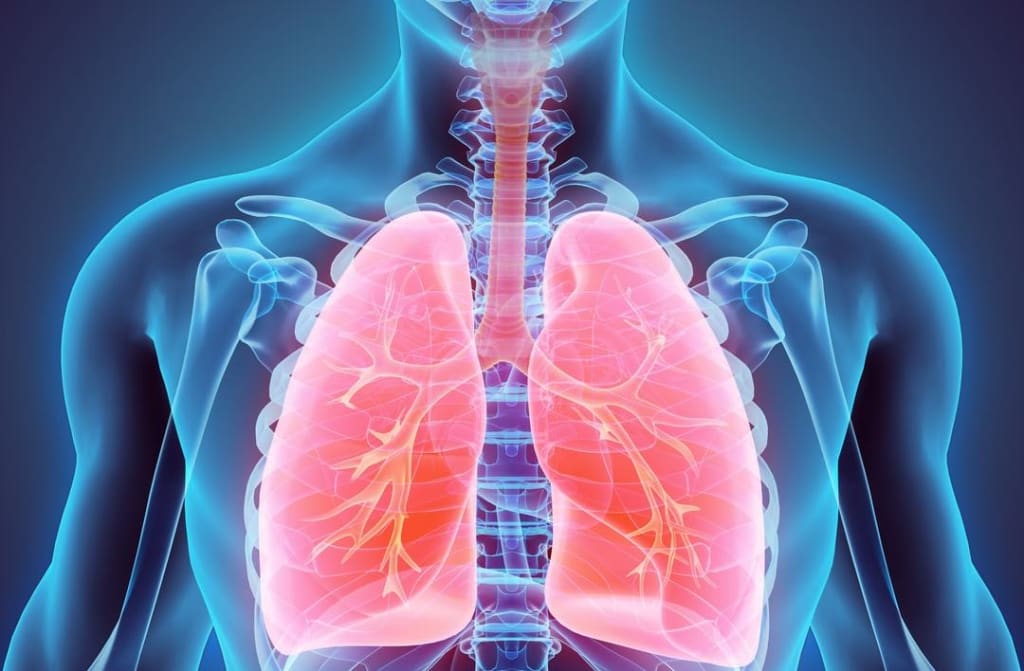
Origin of Silicosis
Achille Visconti, a pneumologist at Milan's Ospedale Maggiore, coined the term Silicosis (from the Latin Silex, or Flint) in 1870. The recognition of respiratory problems caused by dust breathing dates back to the ancient Greeks and Romans. Agricola penned down lung problems caused by dust inhalation in miners in the mid-16th century. Bernardo Ramazzini discovered asthmatic symptoms and sand-like substances in the lungs of stone cutters in 1713. Industrialization, as opposed to hand tools, resulted in increased dust production. The pneumatic hammer drill was invented in 1897, and sandblasting was invented around 1904, both of which contributed significantly to the increased prevalence of silicosis. The most prevalent workplace lung disease in the world is Silicosis. It can be found anywhere, but it is especially widespread in developing nations. From 1991 to 1995, China confirmed more than 24,000 silicosis deaths per year. It also has an impact on developed countries. It is estimated that between one and two million workers in the United States have had occupational exposure to crystalline silica dust, with 59,000 of these workers developing silicosis at some point during their lives.
What is Silicosis?
Silicosis is a chronic fibrotic lung disease caused by inhaling silica dust over a lengthy period of time. (Silica is the main mineral component of sand and many types of rock.) Pneumoconiosis is a type of silicosis. The disease is most common in stonecutters, miners, tunnel builders, quarry workers, and workers who grind, polish, sandblast, and buff. Silicosis is one of the oldest industrial diseases, having been identified in 18th century knife grinders and potters, and it is still one of the most prevalent dust-induced respiratory diseases in the developed world.
Symptoms of silicosis include coughing, shortness of breath, difficulty in breathing, and weakness. These symptoms are all related to fibrosis, which reduces lung elasticity. Silicosis increases the risk of tuberculosis, emphysema, and pneumonia. Silicosis is classified according to the severity of the disease, these include: Chronic simple silicosis, accelerated silicosis, complicated silicosis and acute silicosis.
Signs and Symptoms
Because chronic silicosis develops slowly, symptoms may not appear for years after exposure. Signs and symptoms include:
• Fatigue
• Dyspnea (shortness of breath) exacerbated by exertion
• Loss of appetite and weight loss
• Cough, often persistent and sometimes severe
• Gradual darkening of skin (blue skin)
• Tachypnea (rapid breathing) which is often labored,
• Fever
• Chest pain
• Gradual dark shallow rifts in nails eventually leading to cracks as protein fibers within nail beds are destroyed.
In advanced cases, the following may also occur:
• Respiratory insufficiency
• Cor pulmonale (right ventricle heart disease)
• Cyanosis, pallor along upper parts of body (blue skin)
Mechanisms for Silicosis Development (Silicosis Pathogenesis)
Silicosis is caused by inhaling various forms of respirable crystalline silica (Silicon dioxide SiO2). Silicosis pathogenesis is based on interactions between silica particles and pulmonary macrophages. When silica particles (<10𝜇m) overcome the mucociliary defense mechanism in the airways and reach the distal portions of the lung, the pathogenesis cascade begins. Inhaled free silica particles are engulfed by alveolar macrophages, which then enter lymphatics and interstitial tissue. To stimulate parenchymal inflammation, collagen synthesis, and, ultimately, fibrosis, macrophages release cytokines (tumor necrosis factor-alpha, interleukin-1), growth factors (tumor growth factor-beta), and oxidants.
The pathognomonic silicotic nodule develops as a result of the silica being released by the dying macrophages into the interstitial tissue surrounding the tiny bronchioles. Macrophages, lymphocytes, mast cells, fibroblasts with irregular patches of collagen, and dispersed birefringent particles are the primary cell types seen in these nodules and are best observed using polarized light microscopy. The cores of the nodules develop into thick, onion-skin-like balls of fibrotic scar as they age, and an outside layer of inflammatory cells covers them.
These nodules are distinct and do not impair lung function after low-intensity or brief exposures (simple chronic silicosis). However, with higher-intensity or longer-lasting exposures (complex chronic silicosis), these nodules may coalesce, occasionally creating huge conglomerate masses, and cause progressive fibrosis and a loss in lung volumes (total lung capacity, vital capacity) on pulmonary function tests (called progressive massive fibrosis).
About the Creator
Emmanuel Chisom Egwuonwu
Hi! I'm Chisom, I am a creative writer and content creator, passionate about writing articles on digital technology, business ideas and scientific research.
Keep reading
More stories from writers in Longevity and other communities.
Why Our Minds Overthink at Night
Have you ever noticed how your mind suddenly becomes extremely active at night? You lie down to sleep, but instead of resting, your brain starts replaying conversations, worrying about the future, or analyzing things that happened earlier in the day.
By Being Inquisitive6 days ago in Longevity
🥑 7 Superfoods Every Pregnant Woman Should Eat for a Healthy Baby
Pregnancy is a beautiful journey, but it also comes with an important responsibility—nourishing both the mother and the growing baby. During this time, what a woman eats becomes the baby’s main source of nutrients.
By Being Inquisitive5 days ago in Longevity
The First Rainbow Baby
Pitter-patter, pitter-patter. The rain fell in rhythmic splatters, slowly slowing, but still constant. Mira rolled onto her side pulling the blanket tight against her ears, but still she could hear chitter-chatter and scurrying feet of the creatures that refused to sleep in the lower decks.
By A. J. Schoenfeld3 days ago in Fiction



Comments
There are no comments for this story
Be the first to respond and start the conversation.