
The Science Behind Sleep Paralysis: Myths vs. Reality
Why your body freezes, your mind panics, and your imagination runs wild at night.

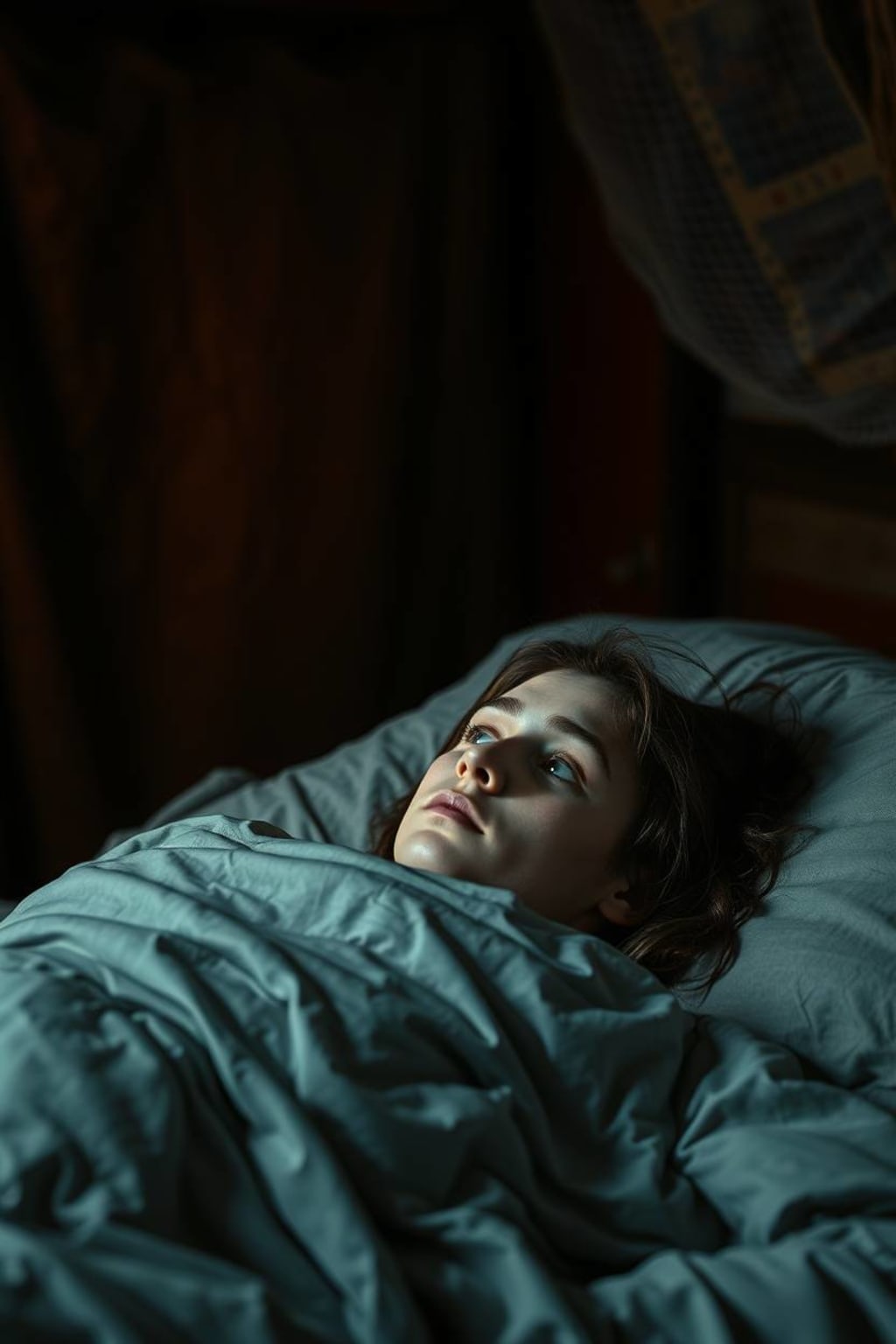
Imagine waking up in the middle of the night. Your eyes are open, you can see your room, maybe even the shadow of a chair in the corner. But when you try to move, nothing happens. You feel pinned down. Your chest feels heavy. Sometimes, you might even see or sense a dark figure standing nearby. It feels real, terrifyingly real. Yet, when you finally break free, you realize it was something else: sleep paralysis.
Sleep paralysis has been experienced for centuries, but only recently has science begun to explain what’s actually happening during these chilling episodes. Let’s explore the myths, the biology, and how you can manage it if it happens to you.
What is Sleep Paralysis?
Sleep paralysis is a temporary state where your mind wakes up, but your body remains in a paralyzed condition. This usually happens when you’re transitioning between sleep stages, specifically between REM sleep (Rapid Eye Movement) and wakefulness.
During REM sleep, your brain is very active, and this is when most of your vivid dreams happen. To protect you from acting out those dreams, your body essentially “switches off” voluntary muscle movement. This paralysis is normal and keeps you safe. The problem occurs when your brain wakes up before your body “unfreezes.”
In short:
Your brain: awake
Your body: still in dream mode
The result? You feel trapped inside yourself, fully aware but unable to move.
The Terrifying Hallucinations
For many people, sleep paralysis isn’t just about being frozen. It often comes with vivid hallucinations, also called hypnopompic hallucinations. These can include:
Feeling a heavy pressure on your chest
Hearing footsteps, whispers, or strange noises
Seeing shadowy figures, creatures, or even something sitting on top of you
Cultures around the world have described these experiences in supernatural terms. In Europe, it was once blamed on witches. In Japan, the phenomenon is called kanashibari, thought to be caused by spirits. In Newfoundland folklore, it’s called “the Old Hag.”
While these stories reflect cultural imagination, science suggests these visions come from the overlap between dreaming and wakefulness. Since you’re partly still in a dream state, your brain can project dreamlike imagery into your real surroundings.
Why Does Sleep Paralysis Happen?
Researchers believe several factors increase the risk:
Irregular Sleep Schedule
Staying up late, pulling all-nighters, or having inconsistent sleep can disrupt REM cycles.
Stress and Anxiety
High stress levels can interfere with healthy sleep patterns, making sleep paralysis more likely.
Sleep Position
Studies suggest that people who sleep on their backs are more prone to experiencing it.
Other Sleep Disorders
Conditions like narcolepsy or sleep apnea may increase the frequency of episodes.
Myths vs. Reality
Myth: A demon or spirit is sitting on your chest.
Reality: The sensation of pressure comes from your body’s inability to fully control breathing during REM paralysis.
Myth: You’re being attacked or visited by ghosts.
Reality: The hallucinations are your brain’s dream activity spilling over into consciousness.
Myth: You might die if you don’t break free.
Reality: Sleep paralysis is not dangerous. It feels scary, but it passes on its own, usually within seconds to a few minutes.
How to Reduce Sleep Paralysis Episodes
If you’ve experienced sleep paralysis, you know how unsettling it can be. Thankfully, there are ways to lower your chances:
Stick to a Regular Sleep Schedule
Go to bed and wake up around the same time every day.
Manage Stress
Practice meditation, journaling, or light exercise to calm your mind before bed.
Sleep Position Awareness
Try sleeping on your side rather than your back.
Create a Relaxing Sleep Environment
Limit caffeine, screen time, and bright lights before bedtime.
Know That You’re Safe
If it happens, remind yourself: this is sleep paralysis, it will pass. That awareness can help reduce the fear.
Why It Feels So Real
The fear of sleep paralysis often lingers long after the episode ends. That’s because it combines three powerful elements:
You’re fully conscious
You’re unable to move
You’re seeing and feeling things that seem real
It’s a perfect recipe for panic. But understanding the science behind it helps take away some of its power. What feels like a supernatural attack is simply your brain caught between dream and reality.
Final Thoughts
Sleep paralysis can be frightening, but it’s also a fascinating reminder of how complex our brains are. For centuries, people explained it with myths of demons and spirits. Today, science gives us a clearer picture: it’s a harmless glitch in the sleep cycle, often triggered by stress or poor sleep habits.
If it ever happens to you, remember—you’re not in danger, you’re not being haunted, and you’re certainly not alone. Millions of people around the world experience it too. With healthy sleep habits and a calm mindset, you can reduce the chances of it happening again.
About the Creator
Keep reading
More stories from arsalan ahmad and writers in Longevity and other communities.
The Hidden Danger of Ultra-Processed Foods: Why Convenience Could Be Costing Your Health
Introduction Step into any supermarket today and you’ll see rows of colorful packaging promising quick meals, energy boosts, or guilt-free snacks. These products are cheap, convenient, and everywhere. But behind the shiny marketing lies a growing concern among health experts: ultra-processed foods (UPFs).
By arsalan ahmad6 months ago in Longevity
Amazon Savings Secrets for Disabled & Chronically Ill Shoppers
Disabled and chronically ill people often pay more for basic life: delivery fees, specialty items, replacements for things that break faster, and the constant “convenience tax” of needing things shipped because stores aren’t accessible.
By Tracy Stine4 days ago in Longevity
Tatt~Master
— Assembly Line Tatt Machine ~ Impressions to Impress — As I begin to understand more about the Tattoo Phenomenon. I've written silly, yet verbatim, dating site anecdotes in 'Frazzled.' So let me ask you: Would you be More attracted to someone slathered with tattoos, or Less?
By Jay Kantor6 days ago in Humor



Comments
There are no comments for this story
Be the first to respond and start the conversation.