
The Role of Orthodontists in Correcting Bite Issues
The Role of Orthodontists

Introduction
Bite issues, also known as malocclusions, can significantly impact your oral health and overall quality of life. These problems occur when the teeth and jaws do not align correctly, leading to discomfort, functional difficulties, and potential long-term damage. Orthodontists, dental specialists trained in diagnosing and treating bite issues, play a crucial role in addressing these concerns. This article explores the common types of bite issues, the role of orthodontists in their diagnosis and treatment, and the benefits of choosing professional orthodontic care over natural remedies.
Common Types of Bite Issues
Overbite
An overbite, or deep bite, occurs when the upper front teeth significantly overlap the lower front teeth. This condition can result from genetics, poor dental habits, or developmental issues. An excessive overbite may lead to tooth wear, gum problems, and jaw pain.
Underbite
An underbite is characterized by the lower front teeth protruding beyond the upper front teeth. This misalignment can affect chewing, speaking, and lead to additional stress on the jaw joint, potentially causing discomfort and dysfunction.
Crossbite
A crossbite happens when one or more of the upper teeth bite inside the lower teeth. This can occur at the front or back of the mouth and may result in uneven wear of teeth, gum irritation, and jaw misalignment.
Open Bite
An open bite is when the upper and lower front teeth do not touch when the mouth is closed. This issue can be caused by prolonged thumb sucking, tongue thrusting, or skeletal discrepancies, leading to difficulties with biting and chewing.
Crowding and Spacing Issues
Dental crowding occurs when there is insufficient space in the jaw for all teeth to fit properly, leading to overlapping teeth. Conversely, spacing issues result in gaps between teeth, which can affect both aesthetics and oral function.
Role of Orthodontists in Diagnosing Bite Issues
Initial Consultation and Assessment
The journey to correcting bite issues begins with an initial consultation with an orthodontist. During this visit, the orthodontist will conduct a thorough examination of your teeth and jaws. This assessment often includes taking X-rays, photographs, and dental impressions to evaluate the extent of misalignment and plan the appropriate treatment.
Diagnostic Tools
Orthodontists use various diagnostic tools to analyze bite issues. Digital imaging technology, such as cone-beam computed tomography (CBCT), provides detailed 3D images of the teeth, jaws, and facial structures. Bite analysis helps identify the specific nature of the misalignment and informs the development of a customized treatment plan.
Customized Treatment Planning
Based on the diagnostic information, orthodontists create personalized treatment plans tailored to address the unique needs of each patient. This plan outlines the recommended orthodontic appliances, the expected duration of treatment, and the desired outcomes.
Treatment Options for Bite Correction
Traditional Braces
Traditional braces remain a popular and effective method for correcting bite issues. They consist of metal brackets attached to the teeth, connected by wires that gradually shift teeth into their correct positions. Braces can address various bite problems, including overbites, underbites, and crossbites.
Clear Aligners
Clear aligners, such as Invisalign, offer a more discreet alternative to traditional braces. These removable plastic trays are custom-made to fit your teeth and gradually move them into alignment. Clear aligners are particularly effective for mild to moderate bite issues and are preferred by many adults seeking a less noticeable treatment option.
Expanders
For patients with narrow dental arches or severe bite misalignments, orthodontists may use expanders. These devices are designed to widen the upper jaw gradually, creating more space and improving alignment. Expanders are often used in conjunction with braces or aligners.
Retainers
Once orthodontic treatment is complete, retainers play a crucial role in maintaining the results. Retainers help prevent teeth from shifting back to their original positions and ensure the long-term success of the treatment.
Benefits of Orthodontic Treatment for Bite Issues
Improved Oral Health
Correcting bite issues can lead to better oral hygiene and health. Misaligned teeth are harder to clean and can contribute to plaque buildup, tooth decay, and gum disease. By achieving proper alignment, patients can more easily maintain good oral hygiene and reduce the risk of dental problems.
Enhanced Functionality
Orthodontic treatment improves the functionality of the teeth and jaws. A corrected bite allows for more efficient chewing, speaking, and jaw movement, enhancing overall comfort and daily activities.
Aesthetic Improvements
One of the most noticeable benefits of orthodontic treatment is the enhancement of facial aesthetics. Aligning the teeth and correcting bite issues can lead to a more harmonious and attractive smile, boosting self-confidence and self-esteem.
Long-Term Oral Health Benefits
Addressing bite issues through professional orthodontic treatment can prevent future dental problems. Proper alignment reduces the risk of excessive tooth wear, jaw joint issues, and other complications associated with malocclusions.
Pros of Choosing a Professional Coventry Orthodontist Over Natural Remedies
While natural remedies and self-treatment options are often discussed, opting for a professional Coventry orthodontist provides several key advantages. Professional orthodontists possess specialized training and experience in diagnosing and treating bite issues effectively. They use advanced diagnostic tools and customized treatment plans to ensure the best outcomes. Unlike natural remedies, which may not address the root cause of bite problems or may result in temporary solutions, professional orthodontic care offers comprehensive and lasting results. Additionally, orthodontists ensure that treatments are safe and suitable for individual needs, reducing the risk of complications and achieving optimal oral health benefits.
Conclusion
Orthodontists play a vital role in correcting bite issues, offering expertise and advanced treatments that improve oral health, functionality, and aesthetics. From diagnosing various types of bite problems to implementing effective treatments, orthodontists provide valuable solutions for achieving a healthier, more aligned smile. Choosing a professional Coventry orthodontist over natural remedies ensures a thorough, safe, and effective approach to bite correction, ultimately leading to long-term oral health and well-being. If you suspect you have bite issues, consulting an orthodontist is the best step toward achieving a balanced and beautiful smile.
About the Creator
Keep reading
More stories from Jane Brook and writers in Longevity and other communities.
Unveiling the Radiant Smile : Exploring the World of Teeth Whitening
A dazzling smile is often considered a powerful asset, exuding confidence and enhancing one's overall appearance. Teeth whitening has emerged as a popular cosmetic dental procedure, offering individuals the opportunity to achieve a brighter and more radiant smile. This article delves into the world of teeth whitening, exploring its various methods, benefits, potential risks, and factors to consider before undergoing the procedure.
By Jane Brook3 years ago in Longevity
Day 4 of Quitting
If this is how sobriety feels, maybe it’s better to go through life a little buzzed… this, along with other hits like, I want to kill myself, I wish I was dead, and I’m going to throw myself off a bridge have been the only thoughts on rotation these past few days. I promise myself that if, in a month, I still feel like this (‘this’ meaning despondent, full of rage, and simultaneously numb) I can go back to smoking. Until mid-February though? Nicotine is off the table.
By sleepy drafts18 days ago in Longevity
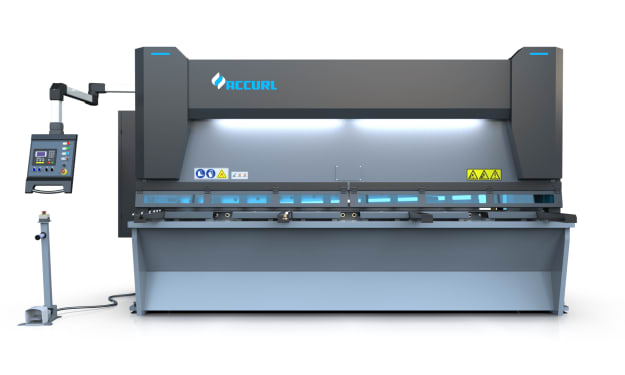
Is a Guillotine Machine Right for Your Business? Key Factors to Consider
Choosing the right cutting equipment is a critical decision for any fabrication, engineering, or manufacturing business. Whether you’re handling occasional sheet metal work or running high-volume production, the tools you use directly affect accuracy, efficiency, and profitability. One option many businesses consider is a guillotine machine, but is it the right fit for your operation?
By Axe Status6 days ago in Longevity



Comments