
The Role of Nutrition in Mental Health
How Your Diet Affects Your Mind

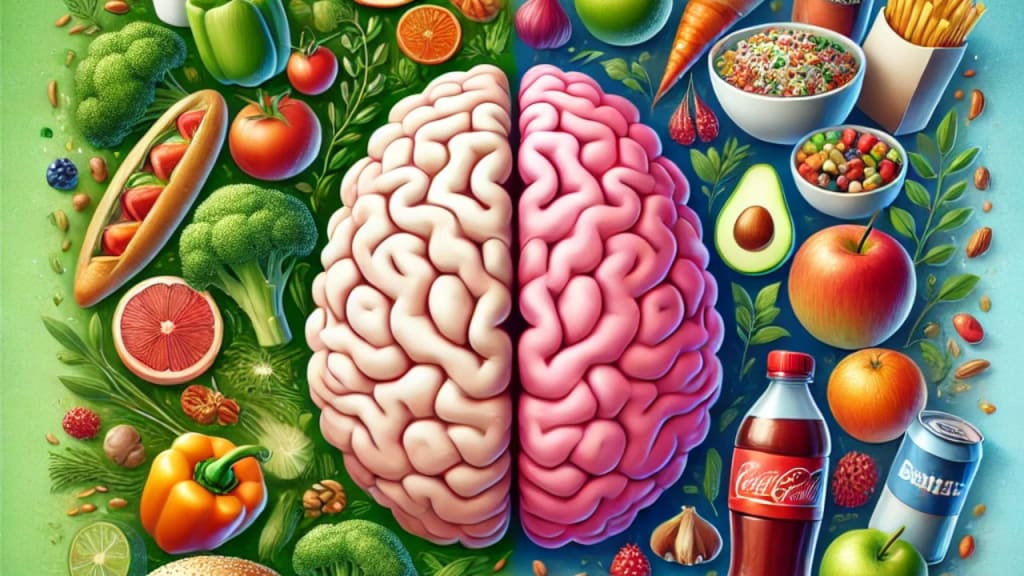
The phrase "you are what you eat" holds more truth than many might realize, especially when it comes to mental health. While most people are aware of the physical health benefits of eating a balanced diet, fewer recognize the significant impact nutrition can have on mental well-being. Research shows a strong connection between what we eat and how we feel, both mentally and emotionally.
In this story, we will explore how nutrition plays a crucial role in mental health, including its effects on mood, cognitive function, and the prevention of mental disorders.
1. The Gut-Brain Connection
One of the most intriguing areas of research in recent years is the gut-brain connection. The gut is often referred to as the "second brain" because it produces many of the same neurotransmitters, such as serotonin and dopamine, that affect mood and cognitive function. In fact, about 90% of serotonin, a key hormone that stabilizes mood, is produced in the digestive tract.
The gut microbiome, which is the collection of bacteria and other microorganisms living in the intestines, plays a pivotal role in mental health. A healthy gut microbiome supports the production of neurotransmitters that regulate mood, while an unhealthy gut can contribute to anxiety, depression, and other mental health disorders.
Certain foods can support a healthy gut and, by extension, mental health. Probiotics, found in foods like yogurt, kefir, sauerkraut, and kimchi, can help maintain a balanced gut microbiome. Prebiotics, which are found in foods like garlic, onions, bananas, and whole grains, act as food for probiotics and support their growth.
Lesson: The gut-brain connection underscores the importance of maintaining a healthy gut for optimal mental health. Eating foods rich in probiotics and prebiotics can help balance the gut microbiome and improve mood.
2. The Role of Omega-3 Fatty Acids
Omega-3 fatty acids are essential fats that have been shown to have a significant impact on brain function and mental health. These fats are particularly important for reducing inflammation in the brain, which is linked to depression and other mood disorders.
Research has found that people who consume diets rich in omega-3s are less likely to experience depression and anxiety. Omega-3s are also critical for brain development and cognitive function, making them essential throughout life, from childhood to old age.
Foods high in omega-3 fatty acids include fatty fish like salmon, mackerel, and sardines, as well as plant-based sources like flaxseeds, chia seeds, and walnuts.
Lesson: Omega-3 fatty acids play a crucial role in maintaining brain health and preventing mood disorders. Incorporating fatty fish and other omega-3-rich foods into your diet can help protect against depression and cognitive decline.
3. Antioxidants and Brain Health
Antioxidants are compounds that help protect the brain from oxidative stress, which can damage cells and lead to mental health issues like depression and anxiety. Oxidative stress occurs when there is an imbalance between free radicals and antioxidants in the body, and it has been linked to neurodegenerative diseases and mood disorders.
A diet rich in antioxidants can help reduce oxidative stress and improve mental health. Antioxidants are found in abundance in fruits and vegetables, particularly those that are brightly colored. Foods like blueberries, strawberries, spinach, kale, and dark chocolate are all excellent sources of antioxidants.
Additionally, vitamins such as vitamin C and vitamin E have antioxidant properties and are essential for brain health. Vitamin C, found in citrus fruits, bell peppers, and broccoli, supports neurotransmitter production and mood regulation. Vitamin E, found in nuts, seeds, and green leafy vegetables, helps protect the brain from oxidative damage.
Lesson: Consuming a diet rich in antioxidants can help protect the brain from oxidative stress and improve overall mental health. Incorporating a variety of fruits, vegetables, and antioxidant-rich foods into your diet is key to supporting brain function.
4. The Impact of Sugar and Processed Foods
While certain nutrients support mental health, others can have a detrimental effect. Diets high in refined sugars and processed foods have been linked to an increased risk of depression, anxiety, and cognitive decline. These foods can cause spikes and crashes in blood sugar levels, leading to mood swings and irritability.
Moreover, processed foods often lack essential nutrients and can disrupt the balance of the gut microbiome, contributing to mental health problems. A study published in Public Health Nutrition found that people who consume a diet high in processed foods are more likely to develop depression than those who eat a whole-food-based diet.
To support mental health, it's essential to reduce the consumption of sugary drinks, processed snacks, and fast foods. Instead, focus on whole foods that provide essential nutrients for brain health, such as fruits, vegetables, whole grains, lean proteins, and healthy fats.
Lesson: Diets high in sugar and processed foods can have a negative impact on mental health, leading to mood disorders and cognitive decline. Limiting these foods and prioritizing whole, nutrient-dense options is crucial for maintaining mental well-being.
5. The Mediterranean Diet and Mental Health
One dietary pattern that has consistently been associated with better mental health is the Mediterranean diet. This diet emphasizes whole, unprocessed foods, including fruits, vegetables, whole grains, legumes, nuts, seeds, and healthy fats like olive oil. It also includes moderate amounts of fish, poultry, and dairy, with a focus on plant-based eating.
Studies have shown that people who follow a Mediterranean diet are less likely to experience depression, anxiety, and other mental health issues. This diet is rich in omega-3 fatty acids, antioxidants, and other essential nutrients that support brain health.
A study published in the journal BMC Medicine found that participants who adhered to a Mediterranean diet were 33% less likely to develop depression compared to those who followed a Western-style diet high in processed foods.
Lesson: The Mediterranean diet, with its emphasis on whole, nutrient-rich foods, is one of the best dietary patterns for supporting mental health. Adopting this diet can help reduce the risk of depression and anxiety while promoting overall brain health.
6. Hydration and Mental Clarity
Water is often overlooked when discussing nutrition and mental health, but proper hydration is essential for cognitive function and emotional well-being. Dehydration can lead to confusion, irritability, and fatigue, all of which can negatively affect mental health.
The brain is composed of approximately 75% water, and even mild dehydration can impair cognitive function and mood. Drinking enough water throughout the day is critical for maintaining mental clarity and preventing mood disturbances.
To stay hydrated, aim to drink at least 8 cups (64 ounces) of water a day, more if you're physically active or live in a hot climate. Foods with high water content, such as cucumbers, watermelon, and oranges, can also help keep you hydrated.
Lesson: Proper hydration is essential for maintaining mental clarity and emotional stability. Make sure to drink plenty of water throughout the day to support mental health.
Conclusion: Nutrition as a Pillar of Mental Health
The connection between diet and mental health is becoming increasingly clear. What we eat has a profound effect on our brain function, mood, and overall well-being. By focusing on a diet rich in whole, nutrient-dense foods, and avoiding processed and sugary options, we can support both our physical and mental health.
Incorporating foods that support the gut-brain connection, provide essential omega-3 fatty acids, and reduce oxidative stress is key to improving mental well-being. By making informed choices about what we eat, we can take proactive steps toward better mental health and a more balanced, fulfilling life.
About the Creator
Stephen Cool
Stephen Cool is a dedicated writer with a passion for storytelling that captivates and inspires. With a background in English literature, fueled by an insatiable love for books and a knack for weaving words into compelling narratives.
Keep reading
More stories from Stephen Cool and writers in Longevity and other communities.
Boost Your Mental Health Naturally
Mental well-being is incredibly important. In our busy lives, it's crucial to make our mental health a priority so that we can live satisfying lives. In this article, we will discuss 10 proven tips for naturally improving mental health. These tips cover a wide range of aspects related to mental well-being and are meant to assist you in developing a positive and strong mindset. We'll be exploring various strategies such as exercise, sleep, nutrition, and mindfulness that can have a significant impact on your mental wellness. By incorporating these natural techniques into your daily routine, you'll be able to actively work towards improving your overall mental health and emotional stability.
By Stephen Cool2 years ago in Longevity
Day 4 of Quitting
If this is how sobriety feels, maybe it’s better to go through life a little buzzed… this, along with other hits like, I want to kill myself, I wish I was dead, and I’m going to throw myself off a bridge have been the only thoughts on rotation these past few days. I promise myself that if, in a month, I still feel like this (‘this’ meaning despondent, full of rage, and simultaneously numb) I can go back to smoking. Until mid-February though? Nicotine is off the table.
By sleepy drafts12 days ago in Longevity
United States Active Pharmaceutical Ingredients Market Size and Forecast 2025–2033
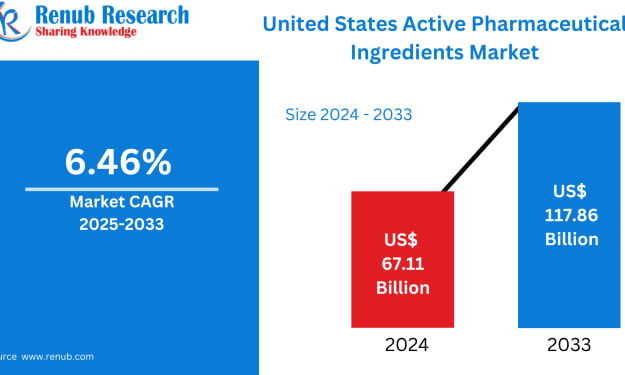
United States Active Pharmaceutical Ingredients Market The U.S. Active Pharmaceutical Ingredients (API) Market is anticipated to grow from US$ 67.11 billion in 2024 to US$ 117.86 billion in 2033, registering a CAGR of 6.46% during 2025–2033. This robust expansion is fueled by the rising demand for both branded and generic drugs, the increasing burden of chronic diseases, and rapid innovation in biopharmaceutical research. As the backbone of every therapeutic product, APIs are becoming increasingly strategic to healthcare security, drug affordability, and pharmaceutical competitiveness in the United States.
By jaiklin Fanandish5 days ago in Longevity
Miss Persephone's Manual to a Seemingly Ordinary Life
Miss Persephone was found at the dining table, her blue eyes swollen, her tears arriving and retreating like the tides of the ocean. Earlier that day, her family had visited her in the retirement home where she had lived for eight years. It was her eightieth birthday.
By Imola Tóth4 days ago in Fiction



Comments
There are no comments for this story
Be the first to respond and start the conversation.