
The New Rules of Staying Young: Practical Longevity Habits That Actually Matter in 2025
Forget quick fixes — science and trend watchers in 2025 are pointing to small, sustainable routines (circadian alignment, smart wearables, targeted fasting, gut care, and less screen time) that add healthy years — not empty promises.

Aging used to be something we accepted and then tried to paper over with creams and miracle pills. That story is changing. In 2025 the conversation around longevity has moved from niche biohacking forums into mainstream wellness and even fashion pages: people aren’t just chasing more years — they’re trying to secure more good years. Brands, clinics, and a rising wave of consumer-friendly tech are all shifting the emphasis from “anti-age” to “pro-healthspan.” 
Below I map the most practical, evidence-backed longevity habits that are trending right now — the ones you can actually fold into your life without draining your savings or becoming a full-time experiment.
1) Wearables and AI: from step counting to early warning systems
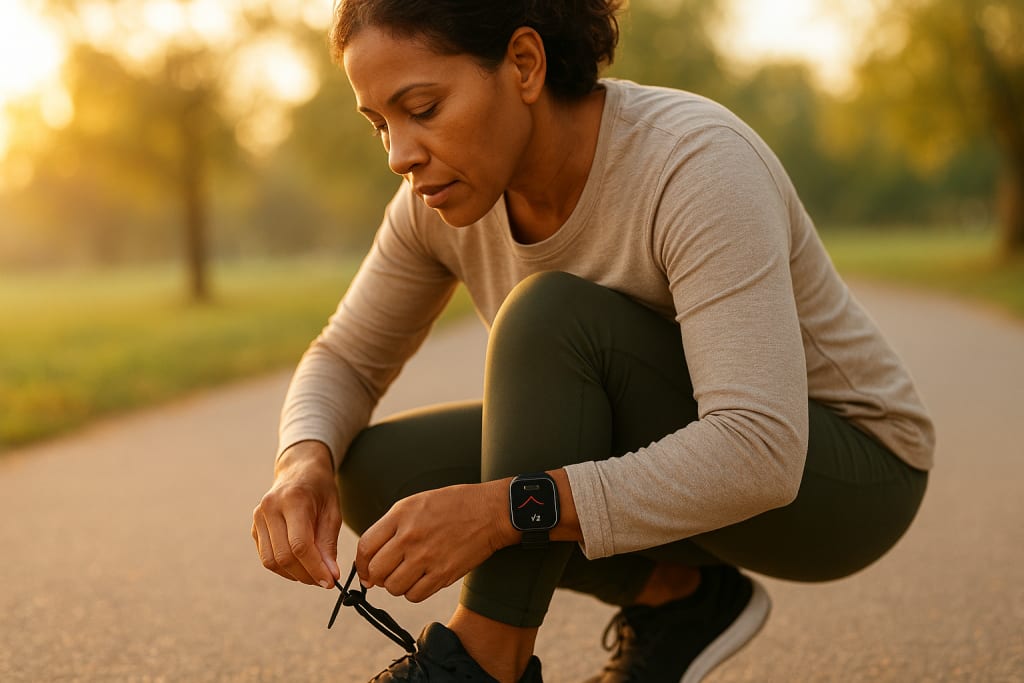
Your smartwatch used to tell you how many steps you took. Now it is becoming a continuous health dashboard: heart-rate variability, sleep staging, oxygen levels, and AI signals that flag irregularities before they become emergencies. This is less about vanity metrics and more about giving you actionable feedback to reduce chronic stressors that accelerate aging. If you want to make longevity progress, start with tracking signals that matter: sleep consistency, resting heart rate trends, and recovery markers — then translate those into simple behavior changes (sleep earlier, walk more, manage stress). 
Practical tip: pick one metric (e.g., sleep regularity or resting heart rate) and track trends monthly rather than obsessing over daily noise.
2) Circadian health: timing is as important as what you eat
Research and clinician conversations in 2025 increasingly emphasize circadian alignment — meaning when you eat, move, and sleep matters for metabolic health and inflammation. Aligning activities with natural light cycles supports insulin sensitivity, hormone balance, and cellular repair. This isn’t mysticism; it’s a behavior you can test: consistent wake/sleep times, morning light exposure, and avoiding bright screens late at night. Clinicians are incorporating circadian strategies into longevity plans because the effect sizes — on sleep quality, metabolic markers, and mood — are meaningful. 
Practical tip: dim screens and bright indoor lights 60–90 minutes before bed. Try a 10–minute sunlight routine within an hour of waking.
3) Intermittent fasting and metabolic flexibility — hype vs. hope
Intermittent fasting (IF) has moved from headline to hypothesis to a tool with emerging biological backing. New studies suggest short fasting windows may help gut regeneration and improve metabolic flexibility, which is a strong predictor of long-term healthspan. That said, IF is not one-size-fits-all: people with certain medical conditions, pregnant people, or those with eating-disorder histories should not adopt fasting without clinical oversight. When done reasonably, strategic fasting can be a low-cost way to stimulate cellular repair cycles and improve resilience. 
Practical tip: start gentle — a 12:12 fasting:eating window for two weeks, then assess energy, sleep, and mood before extending.
4) Gut health isn’t trendy fluff — it’s central to aging
The gut microbiome influences inflammation, immunity, and nutrient signalling — all of which affect aging. Longevity trends in 2025 show a renewed focus on gut-targeted approaches: varied fiber, fermented foods, and time-restricted eating that supports microbiome rhythms. Small, consistent changes (diverse plants, minimize ultra-processed foods) usually yield better long-term outcomes than cycling through “microbiome cleanses” and one-size supplement stacks. Combine baseline dietary hygiene with targeted testing only when needed. 
Practical tip: aim for 25–30 plant servings per week (varied types and colors) — not all at once, but across meals.
5) Supplements and NAD+ boosters: proceed with curiosity, not faith
NAD+ precursors (NR, NMN) and senolytic buzzwords have peppered headlines, and supplement aisles reflect that. There’s exciting early science around cellular rejuvenation and targeted compounds, but the evidence base for broad, long-term human effects is still developing. If you’re curious about such supplements, prioritize high-quality brands, third-party testing, and consult a clinician — especially if you’re combining multiple agents. Think of supplements as adjuncts to lifestyle foundations, not replacements for them. 
Practical tip: invest first in sleep, movement, and nutrition. Treat supplements as experiments with clear personal metrics to evaluate impact.
6) Digital detox and emotional longevity
Mental and emotional health are now front-and-center in longevity discourse. Digital detoxes, boundary setting around social media, and cultivating deep social ties are trending because isolation and constant low-grade stress accelerate aging. Reducing screen time, creating device-free rituals (meals, bedtime), and investing in relationships are among the high-ROI longevity behaviors you can start this week. 
Practical tip: institute at least one device-free hour per day and a full device-free night once a week.
7) Small movement, smart strength
You don’t need to train like an athlete to gain longevity benefits — but you do need consistency. Resistance training preserves muscle mass and metabolic health; short daily walks support cardiovascular function and brain resilience. The trend is toward “utilitarian” wellness: movement that fits into life and is easy to sustain long term. 
Practical tip: two weekly strength sessions (20–30 minutes) + daily 20–30 minute brisk walks will move the needle.
How to build a 90-day Longevity Plan (a simple template)
1. Month 0 baseline: pick 3 metrics (sleep hours and timing, daily steps, and one blood/lab marker if you have it).
2. Micro-habits (weeks 1–4): consistent bedtime ±30 min, device-free hour before bed, add one fermented food per day, walk 20 minutes after lunch.
3. Optimization (weeks 5–8): introduce strength work twice weekly; try a 12:12 fasting window; get morning light within an hour of waking.
4. Evaluation (week 12): recheck metrics — subjective energy, sleep quality, and any measured labs. Adjust next 90-day goals based on what stuck.
longevity is not about chasing eternal youth — it’s about returning to what humans evolved for
The most sustainable longevity strategies are not expensive or exotic. They’re the ones that nudge your biology back toward predictable patterns: regular sleep, consistent movement, social connection, nutritious whole foods, and smart use of technology. Brands will bring shiny fixes, and science will continue to advance — but your daily patterns matter most.
If you’re curious about a deeper dive into any of the topics above (wearables to consider, a circadian plan you can paste into your calendar, or a 30-day gut reset meal plan), tell me which and I’ll draft it.
⸻
If this article resonated, share your own 30-day longevity experiment in the comments — what habit will you start tomorrow? If you tried something above, tell us what changed. Share this story to help others make small swaps that add years of healthy life.
About the Creator
The Davids
Master the three pillars of life—Motivation, Health & Money—and unlock your best self. Practical tips, bold ideas, no fluff.
Keep reading
More stories from The Davids and writers in Longevity and other communities.
When Debt Was My Teacher: How I Learned Value From Struggle
Money advice is everywhere. Save more, invest early, cut your lattes. But sometimes the best lessons come not from what people teach you—but from what life forces you to learn. For me, debt became my toughest professor. This is how I passed class.
By The Davids5 months ago in Journal
Why Nutrition During Pregnancy Matters More Than You Think
Pregnancy is one of the most important stages in a woman’s life, not only emotionally but also nutritionally. During these nine months, the body works continuously to support the growth and development of a new life. Because of this, nutrition plays a crucial role in ensuring both the mother and the baby remain healthy.
By Being Inquisitive4 days ago in Longevity
Herbal Tea: Natural Drink for Relaxation and Better Health
Introduction: Herbal tea is a natural beverage made from dried herbs, flowers, fruits, or spices. Unlike traditional teas such as black or green tea, herbal tea usually does not come from the Camellia sinensis plant.
By Health Tips2 days ago in Longevity
Top tipple tricks
Been thinking a lot about drinking, lately. Not least because of a recent episode of over-indulgence and the inevitable after effects. Some readers may recall the earlier articles I wrote about beating the booze. Here I set out an experiment in techniques for cutting down on my alcohol intake. The experiment was successful, the techniques worked, and I have armed myself with an arsenal of weapons in the war against the demon drink. I have yet to fire the first round however. It's all a question of timing (perhaps procrastination).
By Raymond G. Taylor6 days ago in Psyche




Comments
There are no comments for this story
Be the first to respond and start the conversation.