
The Keto Code
A Comprehensive Guide to the Ketogenic Diet

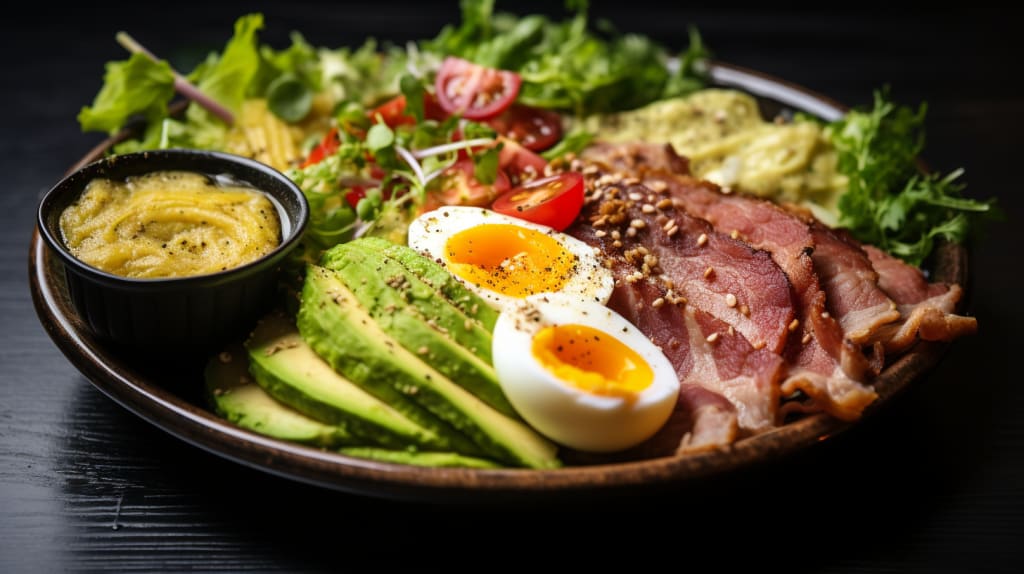
The Keto Diet
The ketogenic diet, or keto diet, is a high-fat, moderate-protein, and very low-carbohydrate diet. When you follow a keto diet, you restrict your carb intake to around 20-50 grams per day. This forces your body to switch from burning glucose for energy to burning fat.
The keto diet has become increasingly popular in recent years, and for good reason. It has been shown to offer a wide range of health benefits, including weight loss, improved blood sugar control, reduced risk of heart disease, and improved brain function.
How the Keto Diet Works
When you eat carbs, your body breaks them down into glucose.

Glucose is the body's preferred source of energy. However, when you restrict your carb intake, your body needs to find another source of energy. This is where fat comes in.
When you burn fat for energy, your body produces ketones. Ketones are molecules that can be used by the brain and other organs for fuel.
Types of Keto Diets
There are several different types of keto diets, each with its own unique approach. The most common type of keto diet is the standard keto diet (SKD). On a SKD, you typically consume 70-80% fat, 10-20% protein, and 5-10% carbohydrates.
Other types of Keto Diets include:
Cyclical keto diet (CKD): This diet involves alternating between periods of keto and higher carb intake.
Targeted keto diet (TKD): This diet allows you to add carbs around your workouts.
High-protein keto diet: This diet is similar to a SKD, but it includes a higher percentage of protein (20-30%).
Benefits of the Keto Diet
The keto diet has been shown to offer a wide range of health benefits, including:
Weight loss: The keto diet is one of the most effective diets for weight loss.

This is because the diet helps you to burn more calories than you consume.
Improved blood sugar control: The keto diet can help to improve blood sugar control in people with type 2 diabetes and prediabetes. This is because the diet reduces carb intake, which helps to stabilize blood sugar levels.
Reduced risk of heart disease: The keto diet can help to reduce the risk of heart disease by improving cholesterol levels and lowering blood pressure.
Improved brain function: The keto diet may help to improve brain function and protect against neurological diseases such as Alzheimer's and Parkinson's.
Reduced inflammation: The keto diet can help to reduce inflammation throughout the body. This is likely due to the diet's anti-inflammatory properties and its ability to improve gut health.
Potential Side Effects of the Keto Diet
The keto diet is generally safe for most people. However, there are some potential side effects that you should be aware of, such as:
Keto flu: This is a group of symptoms that some people experience when they first start the keto diet. Symptoms can include fatigue, headache, nausea, and muscle cramps. These symptoms are usually temporary and go away after a few days or weeks.

Kidney stones: The keto diet can increase the risk of kidney stones in some people. If you have a history of kidney stones, talk to your doctor before starting the keto diet.
Nutrient deficiencies: The keto diet can restrict your intake of certain nutrients, such as fiber, magnesium, and potassium. It is important to make sure that you are getting enough of these nutrients from other foods or supplements.
Tips for Following the Keto Diet Safely and Successfully
Here are some tips for following the keto diet safely and successfully:
Talk to your doctor before starting the keto diet, especially if you have any underlying medical conditions.

Start slowly and gradually reduce your carb intake.
Focus on eating whole, unprocessed foods.
Choose healthy fats, such as monounsaturated and polyunsaturated fats.
Drink plenty of water.
Be patient. It takes time for your body to adjust to the keto diet.
Keto Diet Foods
Here are some examples of keto diet foods:
Meat: Beef, chicken, pork, lamb, fish, eggs
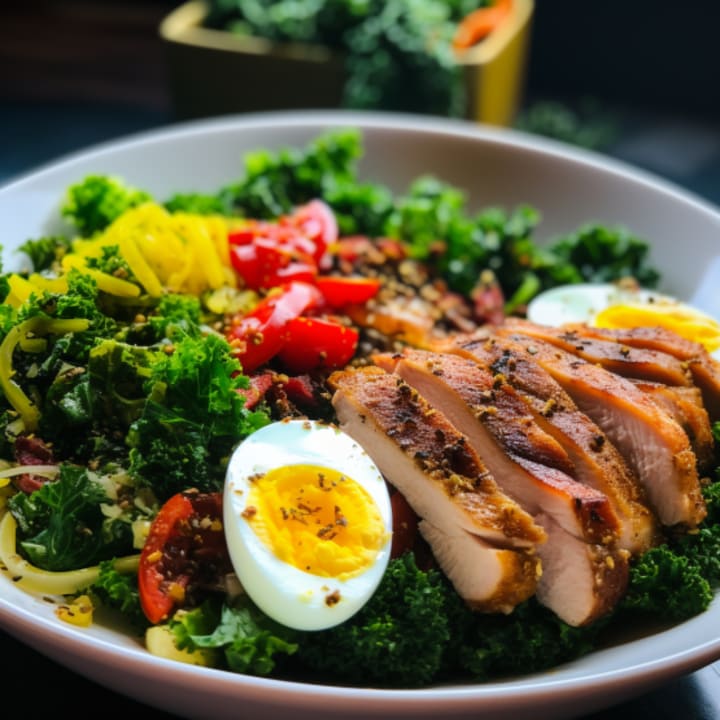
Non-starchy vegetables: Leafy greens, broccoli, cauliflower, zucchini, Brussels sprouts
High-fat dairy: Cheese, cream, butter
Nuts and seeds: Almonds, walnuts, macadamia nuts, chia seeds, flaxseeds
Healthy oils: Olive oil, avocado oil, coconut oil
Conclusion
The keto diet is not just a fad diet. It is a sustainable and scientifically proven way to improve your health and well-being. If you are serious about taking control of your health, the keto diet is a great option to consider.
Here are some additional benefits of the keto diet that may not be as well-known:
- The keto diet can help to improve your mood and reduce anxiety.
- The keto diet can help to protect against cancer.
- The keto diet can help to improve your sleep quality.
- The keto diet can help to reduce the appearance of wrinkles and fine lines.
- The keto diet can help to improve your athletic performance.
Overall, the keto diet is a powerful tool for improving your health, well-being, and quality of life. If you are considering the keto diet, I encourage you to do your research and talk to your doctor. It may be the best decision you ever make.
About the Creator
Mark Spicer
A seasoned wordsmith delving into diverse topics, my articles are journeys of discovery—meticulously crafted to inform, engage & inspire. Dive in and explore the world with me, one story at a time.
Keep reading
More stories from Mark Spicer and writers in Longevity and other communities.
"The Kooky Roots of Ghostly Garb"
The Origins of Halloween Ah, Halloween. The one night where you can be a blood-thirsty vampire or an innocent unicorn, and nobody bats an eye. But have you ever stopped to think where this ghoulish day of fun comes from? Buckle up, ghostly traveler; we're diving deep into the crypt of history!
By Mark Spicer2 years ago in Horror
Day 4 of Quitting
If this is how sobriety feels, maybe it’s better to go through life a little buzzed… this, along with other hits like, I want to kill myself, I wish I was dead, and I’m going to throw myself off a bridge have been the only thoughts on rotation these past few days. I promise myself that if, in a month, I still feel like this (‘this’ meaning despondent, full of rage, and simultaneously numb) I can go back to smoking. Until mid-February though? Nicotine is off the table.
By sleepy drafts24 days ago in Longevity




Comments (1)
this is so great you can also read what i have just prepared for you