
The Importance of Preventive Healthcare
Preventive healthcare, often referred to as preventive medicine, encompasses a range of measures taken to prevent diseases before they occur rather than treating them after they develop. This proactive approach to health has become increasingly vital in today's healthcare landscape, where the prevalence of chronic diseases and their associated costs continue to rise. By focusing on prevention, individuals and communities can significantly improve overall health outcomes, reduce healthcare costs, and enhance quality of life. This article will explore the importance of preventive healthcare, its various components, and the ways in which it benefits individuals and society as a whole.

Understanding Preventive Healthcare
Preventive healthcare is divided into several categories: primary, secondary, and tertiary prevention.
Primary Prevention: This involves measures taken to prevent the onset of diseases. Examples include vaccinations, health education, lifestyle modifications (such as diet and exercise), and regular health screenings to identify risk factors.
Secondary Prevention: This focuses on early detection and intervention. Screening tests—such as mammograms for breast cancer, colonoscopies for cancer, and blood tests for diabetes—help identify diseases at an early stage when they are more treatable and manageable.
Tertiary Prevention: This consists of managing and mitigating the impact of established diseases. It involves rehabilitation programs, ongoing medical treatment, and lifestyle adjustments aimed at improving the quality of life for individuals with chronic conditions.
The Benefits of Preventive Healthcare
Preventive healthcare offers numerous benefits, both at the individual and societal levels. Here are some key advantages:
Improved Health Outcomes:
Preventive measures can effectively reduce the incidence of diseases such as heart disease, diabetes, and certain types of cancer. By addressing risk factors early, such as high blood pressure or elevated cholesterol levels, individuals can significantly lower their chances of developing serious health issues.
Cost Savings:
Preventive healthcare can lead to substantial savings in healthcare costs. Treating chronic diseases and their complications can be incredibly expensive. For example, the costs associated with managing diabetes or heart disease, including hospitalizations and medications, can quickly become overwhelming. By investing in preventive measures, individuals can avoid these high treatment costs and reduce the financial burden on healthcare systems.
Enhanced Quality of Life:
Individuals who engage in preventive healthcare practices often experience a higher quality of life. By maintaining good health, individuals are more likely to participate in physical activities, engage with family and friends, and enjoy life’s experiences. Preventive healthcare helps people live longer and healthier lives, contributing to overall well-being.
Empowerment and Education:
Preventive healthcare emphasizes health education and awareness, empowering individuals to make informed choices about their health. By understanding the risks associated with certain behaviors, such as smoking or poor diet, individuals can take proactive steps to avoid health issues. This educational aspect fosters a culture of health consciousness and responsibility.
Community Benefits:
Preventive healthcare extends beyond individual benefits, impacting communities as well. Healthy populations contribute to economic productivity and lower healthcare costs. When individuals prioritize their health, it can lead to reduced absenteeism in the workplace, greater engagement in community activities, and increased overall productivity.
The Role of Healthcare Providers
Healthcare providers play a critical role in promoting preventive healthcare. They are essential in delivering preventive services, educating patients about their health, and encouraging healthy behaviors. Here are some ways healthcare providers can foster preventive healthcare:
Regular Screenings and Check-ups:
Healthcare providers should advocate for regular health check-ups and screenings based on individual risk factors and age. By following recommended guidelines, they can help patients identify issues early and provide necessary interventions.
Patient Education:
Educating patients about the importance of lifestyle choices and preventive measures is essential. Providers can offer guidance on nutrition, exercise, stress management, and smoking cessation, helping patients understand how these factors contribute to their overall health.
Access to Preventive Services:
Healthcare systems must ensure that preventive services are accessible and affordable for all individuals. This includes providing vaccinations, health screenings, and counseling without financial barriers.
Community Outreach:
Healthcare providers can engage in community outreach initiatives to increase awareness of preventive healthcare. Health fairs, workshops, and seminars can educate the public about the importance of prevention and available resources.
The Role of Technology in Preventive Healthcare
Advancements in technology have significantly impacted preventive healthcare, offering new tools and resources for individuals to manage their health actively, wearable devices, and health apps are revolutionizing the way people engage with their health.
services allow individuals to access healthcare providers remotely, making it easier to seek preventive care and advice. Patients can schedule virtual appointments for consultations and follow-ups, improving access to preventive services.
Wearable Devices:
such as fitness trackers and smartwatches, enable individuals to monitor their physical activity, heart rate, and other health metrics. These devices can encourage healthy behaviors by providing real-time feedback and setting health goals.
Health Apps:
Numerous health apps provide personalized health tracking, educational resources, and reminders for screenings and vaccinations. These tools empower individuals to take charge of their health and make informed decisions.
Conclusion
Preventive healthcare is an essential aspect of maintaining health and well-being, serving as a powerful tool for reducing the burden of chronic diseases. By emphasizing the importance of prevention, individuals can improve their health outcomes, save on healthcare costs, and enhance their quality of life. As the healthcare landscape continues to evolve, the focus on preventive measures will only grow, benefiting individuals, families, and communities alike. By investing in preventive healthcare today, we are creating a healthier future for generations to come. Embracing this proactive approach to health not only fosters individual well-being but also strengthens the overall health of our society, leading to a brighter, healthier world for all.
About the Creator
Day 4 of Quitting
If this is how sobriety feels, maybe it’s better to go through life a little buzzed… this, along with other hits like, I want to kill myself, I wish I was dead, and I’m going to throw myself off a bridge have been the only thoughts on rotation these past few days. I promise myself that if, in a month, I still feel like this (‘this’ meaning despondent, full of rage, and simultaneously numb) I can go back to smoking. Until mid-February though? Nicotine is off the table.
By sleepy drafts20 days ago in Longevity
Vitamin K2 Market Size and Forecast 2025–2033: A Rapidly Expanding Global Nutraceutical Opportunity
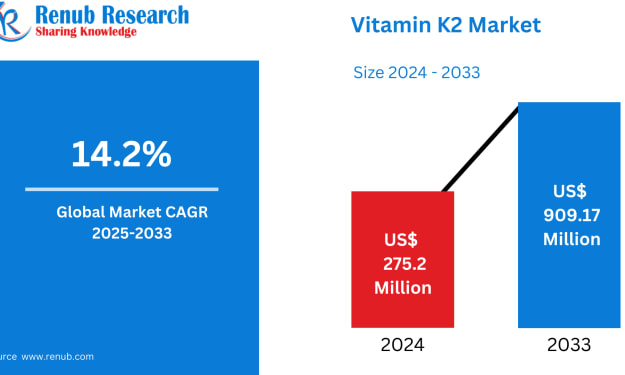
Global Vitamin K2 Market Outlook The global Vitamin K2 market is witnessing a transformative growth phase, driven by rising consumer awareness of preventive healthcare, expanding scientific validation of its health benefits, and the increasing adoption of functional foods and nutraceuticals. According to Renub Research, the global Vitamin K2 market is expected to reach US$ 909.17 million by 2033, up from US$ 275.2 million in 2024, registering a robust CAGR of 14.2% from 2025 to 2033.
By Marthan Sir6 days ago in Longevity



Comments
There are no comments for this story
Be the first to respond and start the conversation.