
The Impact of Social Media on Mental Health: Research and Reality
Balancing the Benefits and Risks of Social Media for Mental Well-Being

Introduction
In the digital era, social media has transformed the way people interact, communicate, and consume information. Platforms such as Facebook, Instagram, TikTok, X (formerly Twitter), and Snapchat have billions of users worldwide, making them a central part of everyday life.
While social media connects people, spreads awareness, and provides entertainment, research has shown that excessive or unhealthy usage can negatively affect mental health, leading to anxiety, depression, low self-esteem, and addiction. This article explores the scientific research behind social media’s impact, its benefits and drawbacks, and strategies to maintain a healthy balance.
1. Positive Effects of Social Media on Mental Health
Despite concerns, social media can be beneficial for mental well-being when used wisely. Some of its positive effects include:
1.1. Social Support and Community Building
One of the most significant advantages of social media is its ability to connect individuals with similar experiences. Research by Naslund et al. (2016) found that people struggling with depression, anxiety, and chronic illnesses often use online support groups to share their feelings and seek encouragement.
Example: Facebook groups for mental health support, Reddit forums like r/depression and r/Anxiety, and Twitter communities help individuals feel less alone in their struggles.
Additionally, during the COVID-19 pandemic, social media played a crucial role in keeping people connected while promoting mental health awareness.
1.2. Education and Awareness on Mental Health
Social media platforms have become a valuable source of mental health education. Organizations like the World Health Organization (WHO) and non-profits use social media to promote awareness campaigns such as #WorldMentalHealthDay and #EndTheStigma.
Studies show that reading and engaging with mental health content online can increase awareness and encourage individuals to seek professional help.
Example: TikTok and Instagram influencers like Dr. Julie Smith (psychologist) and The Depression Project post engaging videos that break down complex mental health topics.
1.3. Encouragement for Self-Expression and Creativity
Platforms like TikTok, YouTube, and Instagram allow users to share their creativity through art, writing, music, and storytelling. According to research, engaging in creative activities can reduce stress, improve mood, and enhance cognitive function.
Example: People use platforms like Medium or Vocal Media to share personal mental health journeys, inspiring others.
Social media also gives a voice to underrepresented communities, helping them share their experiences and advocate for change.
2. Negative Effects of Social Media on Mental Health
Despite its benefits, excessive use of social media can have serious psychological consequences, including:
2.1. Social Comparison and Its Effect on Self-Esteem
A study by Fardouly et al. (2015) found that teenagers and young adults who frequently engage with social media tend to compare their lives with influencers and peers, leading to low self-esteem and body dissatisfaction.
Example: Instagram influencers often post carefully curated photos of luxurious lifestyles, which may create unrealistic expectations and make others feel inadequate.
A survey by the Royal Society for Public Health (RSPH) in the UK revealed that Instagram was ranked as the most harmful platform for young people's mental health, due to issues like comparison culture and cyberbullying.
2.2. Social Media Addiction and Sleep Disruptions
Excessive social media usage is linked to digital addiction. A study by Twenge et al. (2017) found that teenagers who spend more than three hours a day on social media are at a higher risk of sleep deprivation, anxiety, and depression.
Why does this happen?
Social media notifications and endless scrolling create dopamine-driven feedback loops, making it hard to stop.
The blue light from screens suppresses melatonin, the hormone responsible for sleep.
Doomscrolling before bed can cause stress and overstimulation, making it harder to relax.
Example: Many people find themselves mindlessly scrolling TikTok or Instagram Reels late at night, sacrificing sleep and waking up exhausted.
2.3. Depression, Anxiety, and the Fear of Missing Out (FOMO)
Research by Primack et al. (2017) suggests that individuals who check social media excessively are at a higher risk of feeling lonely and depressed.
Fear of Missing Out (FOMO): Seeing friends attend events, go on vacations, or achieve milestones can trigger anxiety and sadness in users who feel left out.
Cyberbullying: Online harassment, hate comments, and trolling contribute to stress and self-doubt, especially among teenagers.
Example: Studies show that 1 in 3 young people have been victims of cyberbullying at some point, leading to mental distress and suicidal thoughts in extreme cases.
3. Strategies to Reduce the Negative Impact of Social Media
To prevent mental health issues related to social media, users should adopt healthy digital habits. Here are some effective strategies:
3.1. Set Time Limits for Social Media Usage
Experts recommend keeping screen time at 1-2 hours per day. Many apps, such as Screen Time (iOS), Digital Wellbeing (Android), and Freedom (third-party app), help monitor and limit usage.
3.2. Avoid Social Comparison
Unfollow accounts that make you feel insecure or unworthy.
Follow realistic and body-positive influencers who promote mental well-being.
Remember that what you see on social media is often edited and filtered.
3.3. Practice ‘Digital Detox’
Taking breaks from social media has been proven to reduce stress and improve focus. You can try:
24-hour social media detoxes every weekend.
Screen-free hours before bedtime.
Deleting apps temporarily when feeling overwhelmed.
3.4. Engage in Offline Activities
To reduce reliance on social media, find hobbies that don’t require screens, such as:
Reading books or exercising
Spending time outdoors
Practicing meditation or mindfulness
3.5. Use Social Media for Positive Purposes
Instead of doomscrolling, use social media to:
Learn new skills (e.g., coding, language learning, photography).
Follow mental health professionals who provide research-backed advice.
Engage in meaningful conversations instead of just consuming content.
Conclusion
Social media is a double-edged sword—it can enhance communication, creativity, and learning, but it can also lead to stress, anxiety, addiction, and self-esteem issues. Using social media mindfully and implementing healthy digital habits can help individuals reap its benefits while minimizing harm.
What’s your experience with social media? Do you think it positively or negatively affects your mental health? Share your thoughts in the comments!
About the Creator
Keep reading
More stories from Ahmad Farid and writers in Longevity and other communities.
The Importance of Maintaining Good Health: Key Factors and Strategies
Introduction Health is one of the most valuable assets a person can have. Without good health, every other aspect of life becomes challenging. In today's fast-paced world, many people neglect their well-being due to busy schedules, stress, and unhealthy habits. This article explores the importance of maintaining good health, key factors that affect it, and practical strategies to improve overall well-being.
By Ahmad Farid10 months ago in Longevity
Day 4 of Quitting
If this is how sobriety feels, maybe it’s better to go through life a little buzzed… this, along with other hits like, I want to kill myself, I wish I was dead, and I’m going to throw myself off a bridge have been the only thoughts on rotation these past few days. I promise myself that if, in a month, I still feel like this (‘this’ meaning despondent, full of rage, and simultaneously numb) I can go back to smoking. Until mid-February though? Nicotine is off the table.
By sleepy drafts12 days ago in Longevity
United States Active Pharmaceutical Ingredients Market Size and Forecast 2025–2033
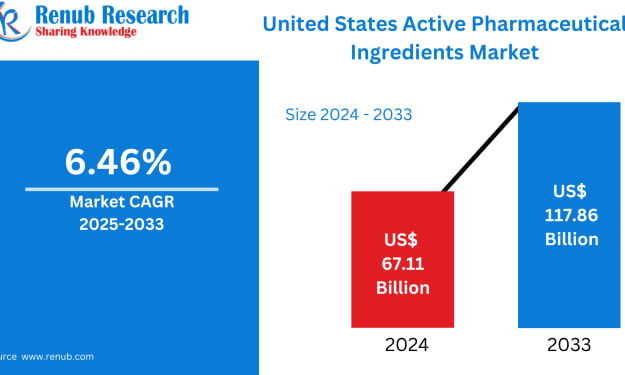
United States Active Pharmaceutical Ingredients Market The U.S. Active Pharmaceutical Ingredients (API) Market is anticipated to grow from US$ 67.11 billion in 2024 to US$ 117.86 billion in 2033, registering a CAGR of 6.46% during 2025–2033. This robust expansion is fueled by the rising demand for both branded and generic drugs, the increasing burden of chronic diseases, and rapid innovation in biopharmaceutical research. As the backbone of every therapeutic product, APIs are becoming increasingly strategic to healthcare security, drug affordability, and pharmaceutical competitiveness in the United States.
By jaiklin Fanandish4 days ago in Longevity
Miss Persephone's Manual to a Seemingly Ordinary Life
Miss Persephone was found at the dining table, her blue eyes swollen, her tears arriving and retreating like the tides of the ocean. Earlier that day, her family had visited her in the retirement home where she had lived for eight years. It was her eightieth birthday.
By Imola Tóth4 days ago in Fiction



Comments
There are no comments for this story
Be the first to respond and start the conversation.