
The Impact of Social Media on Mental Health
While social media has many benefits, including the ability to foster connections and facilitate communication, there is growing concerned about its impact on mental health.
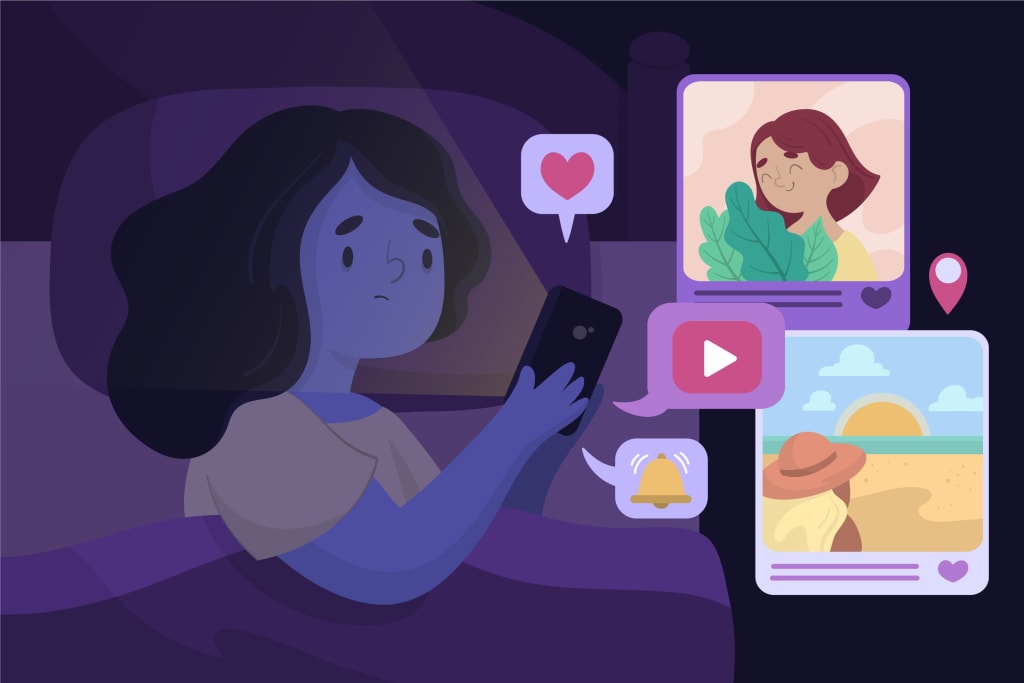
Social media has become a ubiquitous part of modern life, with billions of people around the world using platforms such as Facebook, Twitter, and Instagram to connect with friends and family, share information and opinions, and stay up-to-date on news and events. While social media has many benefits, including the ability to foster connections and facilitate communication, there is growing concerned about its impact on mental health.
Research has shown that there are several ways in which social media use can be detrimental to mental health. One of the primary concerns is the potential for social media to exacerbate feelings of loneliness and social isolation. While social media allows users to connect with others from around the world, these connections are often superficial and may not provide the same level of emotional support as face-to-face interactions. Moreover, people who spend more time on social media tend to feel more isolated and lonely, as they may compare their lives to the curated and often idealized versions of others' lives that are presented on social media.
Another way in which social media can negatively impact mental health is through the phenomenon of "social comparison." The social comparison refers to the tendency to evaluate oneself about others, and social media provides ample opportunity for such comparisons to occur. People often post carefully curated and edited images of themselves and their lives on social media, creating an idealized version of themselves that can be difficult for others to live up to. That can lead to feelings of inadequacy and low self-esteem, particularly in young people, who are more likely to be influenced by social media messages.
Moreover, social media has been linked to an increase in symptoms of anxiety and depression. A study published in the Journal of Social and Clinical Psychology found that participants who limited their social media use for three weeks reported significant reductions in symptoms of anxiety and depression, as well as improved sleep quality. Other studies have found that exposure to negative news or images on social media can also contribute to feelings of anxiety and depression.
Finally, social media use has been linked to an increased risk of cyberbullying, which can have serious consequences for mental health. Cyberbullying refers to the use of technology to bully or harass others, and it is a growing problem among young people. Research has shown that victims of cyberbullying are more likely to experience anxiety, depression, and suicidal ideation than those who have not been bullied.
Despite these concerns, it is important to note that social media also has many potential benefits for mental health. For example, social media can provide a sense of community and support for people who may feel marginalized or isolated in their offline lives. Social media can also be a source of information and resources for people who are struggling with mental health issues, and it can be a way to raise awareness and reduce the stigma around mental illness.
So, what can be done to mitigate the negative effects of social media on mental health? One approach is to encourage users to be more mindful of their social media use and to limit the amount of time they spend on these platforms. Another approach is to promote more positive and supportive interactions on social media, such as by emphasizing the importance of empathy and kindness in online interactions.
Moreover, there is a growing movement towards "digital wellness," which involves using technology more intentionally and mindfully. That can include practices, such as unplugging from social media for designated periods, setting limits on screen time, and using apps and tools that promote mindfulness and stress reduction.
In conclusion, social media has become an integral part of modern life, but its impact on mental health is a growing concern. While social media has many potential benefits, including the ability to connect with others, and access information and resources, it is significant to be mindful of its potential negative effects. By promoting digital wellness and encouraging more positive and supportive interactions on social media, we can help mitigate the negative impacts.
About the Creator
Ski Mountaineering Is About to Make Its Olympic Debut
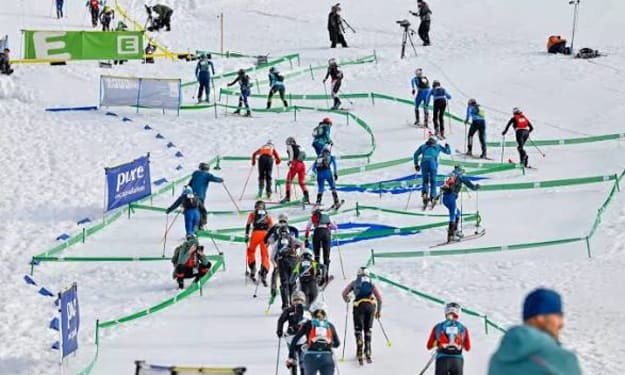
The Winter Olympics are set to welcome a new discipline: ski mountaineering, a sport that combines the endurance of alpine climbing with the speed and skill of downhill skiing. This marks the first time the sport will be featured on the Olympic stage, a milestone that athletes and enthusiasts have long anticipated. Ski mountaineering, sometimes called “skimo,” challenges competitors to ascend and descend mountain terrain using both skis and mountaineering equipment, testing stamina, agility, and technical prowess. The Rise of Ski Mountaineering Ski mountaineering has a long history in alpine regions of Europe, particularly in countries like France, Italy, and Switzerland, where mountain culture and winter sports traditions are deeply ingrained. Over the decades, the sport evolved from a niche alpine pastime into a competitive discipline with structured races and international championships. The International Ski Mountaineering Federation (ISMF) has played a crucial role in standardizing rules, organizing competitions, and promoting global participation. Athletes compete in events that combine uphill climbs, technical ridge traverses, and downhill skiing, often covering distances of several kilometers at high altitude. Races demand not only physical endurance but also strategic use of equipment, energy management, and environmental awareness. Competitors must switch seamlessly between climbing skins, alpine skis, and mountaineering gear while maintaining peak performance. Olympic Inclusion The International Olympic Committee (IOC) announced that ski mountaineering will debut in the 2026 Winter Games, recognizing the sport’s growing popularity and alignment with the Olympic ethos of pushing human physical limits. Organizers have introduced multiple events, including individual races, sprint formats, and team competitions. These events are designed to showcase the sport’s dynamic combination of endurance, technique, and speed. The Olympic inclusion represents a significant step for skimo athletes, who have previously competed primarily in European and world cup circuits. The Games will provide global exposure, increase sponsorship opportunities, and inspire new participants to take up the sport. Many athletes see this as the culmination of years of advocacy and dedication to legitimizing ski mountaineering as a competitive discipline. Athlete Preparation and Challenges Competing at the Olympic level requires intensive training, often involving a combination of aerobic conditioning, strength training, technical skiing, and high-altitude acclimatization. Athletes must master transitions between uphill and downhill segments while navigating challenging mountain terrain. In addition, environmental factors such as snow conditions, weather, and altitude add unpredictability to each race, requiring flexibility and mental resilience. Top athletes have described ski mountaineering as one of the most physically and mentally demanding winter sports. Endurance is critical, but success also depends on tactical decision-making and efficient energy management. “It’s about pushing yourself to the limit while staying in control,” said one European competitor. “Every second counts, and one small mistake can change the outcome of the race.” Growing Popularity Interest in ski mountaineering has grown significantly, particularly among younger athletes seeking alternatives to traditional alpine skiing, snowboarding, and cross-country skiing. Training camps, competitions, and online communities have fueled participation worldwide, while technological advances in lightweight skis, bindings, and climbing equipment have made the sport more accessible. The Olympic debut is expected to accelerate this trend. National teams are now investing in talent development, coaching, and equipment, and the sport is poised to gain fans across Europe, North America, and Asia. The visibility provided by the Olympics is likely to inspire a new generation of athletes to explore mountain terrain and pursue skimo competitively. Looking Ahead Ski mountaineering’s Olympic debut is more than just a new event; it reflects the evolution of winter sports toward dynamic, high-endurance disciplines that celebrate both athleticism and adventure. As the 2026 Winter Games approach, athletes, organizers, and fans are eagerly anticipating the spectacle of endurance, skill, and strategy on the slopes. For competitors, the Games represent a culmination of years of training and a historic opportunity to elevate ski mountaineering onto the world stage. With ski mountaineering now in the spotlight, the sport is expected to grow in prominence, attracting enthusiasts and professionals alike, while inspiring broader interest in alpine sports, outdoor adventure, and high-altitude endurance challenges. The debut promises to be an unforgettable chapter in Winter Olympics history.
By Fiaz Ahmed a day ago in Longevity
The Missing Link in Stable Walking: Why Dynamic Stability Matters More Than Strength
When people start noticing changes in their walking, they often assume the problem is muscle weakness or aging joints. While strength plays a role, a lesser-known factor called dynamic stability is usually at the center of the issue. Dynamic stability refers to the body’s ability to stay balanced while in motion — adjusting to shifts in weight, changes in direction and uneven ground.
By AhmedFitLife4 days ago in Longevity


Comments
There are no comments for this story
Be the first to respond and start the conversation.