
The Impact of Processed Foods on Health: What You Need to Know
Unpacking the Risks and Benefits of Processed Foods for Your Well-being

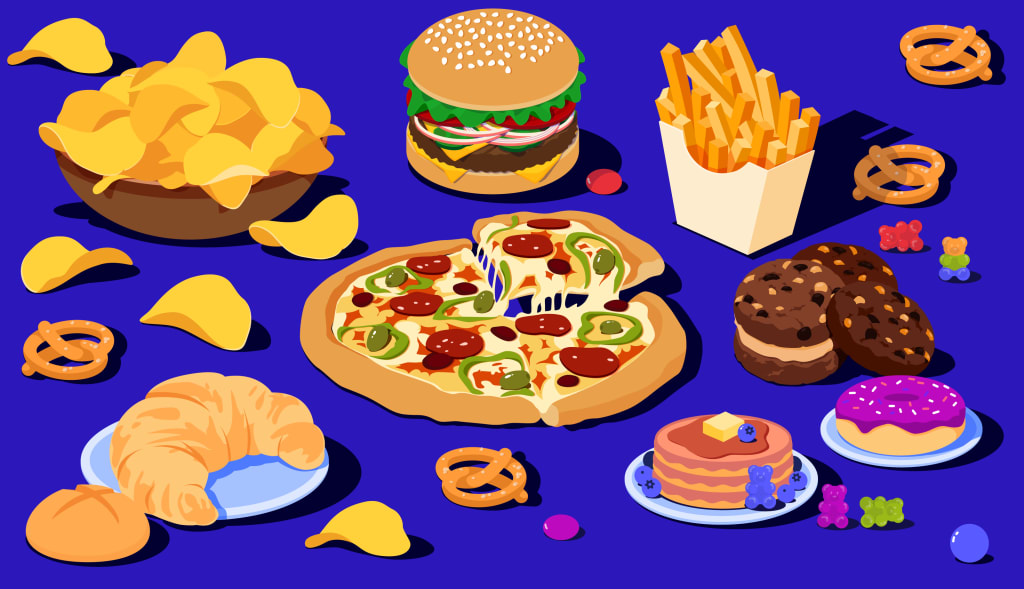
Processed foods have become a staple in the diets of many individuals around the world. They are convenient, affordable, and easily accessible. However, with the convenience of these foods comes the concern about their impact on health. In this article, we will discuss the impact of processed foods on health and what you need to know to make informed choices about your diet.
What are Processed Foods?
Processed foods are foods that have been altered in some way from their natural state. This can involve adding preservatives, flavorings, and other artificial ingredients to extend their shelf life and improve their taste. Examples of processed foods include chips, soda, frozen dinners, and candy.
Impact of Processed Foods on Health
There is a growing body of evidence that suggests a diet high in processed foods is linked to a variety of health problems, including obesity, type 2 diabetes, heart disease, and even some types of cancer. These foods are typically high in calories, sugar, salt, and unhealthy fats, while being low in fiber, vitamins, and other essential nutrients.
One study found that people who consumed a diet high in processed foods had a 58% higher risk of death from heart disease compared to those who consumed a diet rich in whole foods. Another study found that individuals who consumed a diet high in processed foods had a higher risk of developing type 2 diabetes.
In addition to the direct health impacts of processed foods, they can also contribute to poor overall dietary habits. When individuals consume a diet high in processed foods, they are often not meeting their recommended daily intake of fruits, vegetables, and other whole foods. This can lead to deficiencies in essential vitamins and minerals, which can have further negative impacts on health.
How to Reduce Your Consumption of Processed Foods
Reducing your consumption of processed foods can be challenging, but it is possible. Here are some tips to help you get started:
Read Food Labels: When purchasing packaged foods, take the time to read the labels. Look for foods that are low in sugar, salt, and unhealthy fats, while being high in fiber and essential nutrients.
Choose Whole Foods: Instead of opting for packaged foods, choose whole foods like fruits, vegetables, whole grains, and lean proteins. These foods are typically low in calories, high in nutrients, and can help you maintain a healthy weight.
Cook at Home: Cooking at home allows you to control the ingredients in your meals. By preparing meals from scratch, you can avoid the artificial ingredients and excess salt and sugar found in many processed foods.
Limit Sugary Drinks: Sugary drinks like soda and juice are a major source of added sugars in the diet. Limiting your consumption of these drinks can help you reduce your overall intake of processed foods.
Plan Ahead: Planning your meals ahead of time can help you avoid the temptation of convenience foods. By having healthy snacks and meals readily available, you can avoid the need to reach for processed foods when you're in a rush.
Processed foods have become a significant part of the modern diet. While they are convenient, affordable, and easily accessible, they are also linked to a range of negative health impacts. By reducing your consumption of processed foods and opting for whole foods instead, you can improve your overall health and reduce your risk of chronic diseases. Remember to read food labels, cook at home, limit sugary drinks, and plan ahead to make healthier choices for your body and your health.
In addition to its benefits for digestion and gut health, fiber has also been linked to a reduced risk of heart disease, stroke, and certain cancers. A study published in The Lancet found that every 8-gram increase in daily fiber intake was associated with a 5-27% decrease in the incidence of cardiovascular disease, stroke, and type 2 diabetes. Another study from the National Cancer Institute found that people who ate the most fiber had a 22% lower risk of colorectal cancer compared to those who ate the least.
Ginger: A Versatile and Nutritious Ingredient for Your Culinary Creations
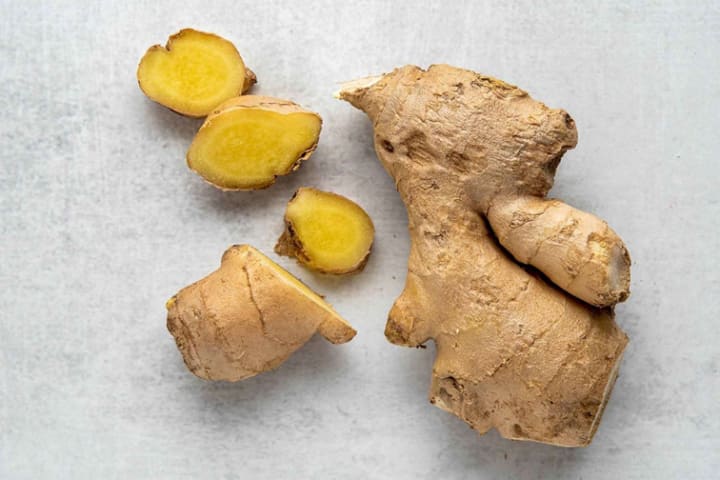
Ginger is a versatile ingredient that can be incorporated into a variety of dishes. It can be used fresh, dried, powdered, or in its oil or juice form. Ginger can add a tangy and spicy flavor to savory dishes like stir-fries, curries, and marinades, as well as to sweet dishes like cakes, cookies, and smoothies. It can even be added to tea and other beverages for a refreshing and soothing drink. With its versatility and health benefits, ginger is a great ingredient to have in any kitchen.
So how can you incorporate more fiber into your diet? Some easy ways include swapping out white bread for whole-grain bread, adding fruits and vegetables to every meal, and choosing beans, lentils, and nuts as protein sources instead of meat. It's also important to drink plenty of water when increasing your fiber intake, as fiber needs water to move through the digestive system smoothly. By making these simple changes, you can reap the benefits of a high-fiber diet and support your overall health and well-being.
About the Creator
Georgia Lefkofridi
Freelance journalist, 500 RYT Yoga Instructor, and Reiki Master. Empowering individuals to reach their full potential through yoga, meditation, energy work, and creative writing.
Keep reading
More stories from writers in Longevity and other communities.
Day 4 of Quitting
If this is how sobriety feels, maybe it’s better to go through life a little buzzed… this, along with other hits like, I want to kill myself, I wish I was dead, and I’m going to throw myself off a bridge have been the only thoughts on rotation these past few days. I promise myself that if, in a month, I still feel like this (‘this’ meaning despondent, full of rage, and simultaneously numb) I can go back to smoking. Until mid-February though? Nicotine is off the table.
By sleepy drafts12 days ago in Longevity
Etihad Cancels, Delays Flights to Pakistan Amid Poor Weather
Travelers between the United Arab Emirates and Pakistan faced significant disruptions this week as Etihad Airways canceled and delayed multiple flights due to severe weather conditions. The airline, known for its extensive network connecting Abu Dhabi to destinations across the world, cited poor visibility, strong winds, and storm warnings as the primary reasons for the operational setbacks. Passengers reported last-minute cancellations and rescheduling challenges, prompting calls for greater clarity and contingency measures during extreme weather events.
By Fiaz Ahmed Brohi3 days ago in Longevity
Rachel Reviews: The Spiral Archive by Pieter Hendrik
It's difficult for me to know where to start with a review of this book as it was, for me, an entirely unique experience and one that I'll probably never have again. I don't want that to be interpreted as unenjoyable but it has left me scratching my head a little and ruminating on its content, its themes and its characters.
By Rachel Deeminga day ago in BookClub
A Dart at Dusk
Seconds ago, the sullen sun set on the two of us… my exuberant furry companion and me. A fresh breeze embraces us, delivering welcome relief from the day’s oppressive heat. His typical stumbling and staggering along — apace with a sloth — has turned into trip-trapping, high-stepping, almost skipping along.
By Angie the Archivist 📚🪶5 days ago in Petlife


Comments
There are no comments for this story
Be the first to respond and start the conversation.