
The Hidden Danger of Microplastics in Our Bodies
Unveiling the Silent Threat: How Microplastics Impact Our Health

Did you know that the average adult brain contains about 7 grams—or 0.25 oz.—of microplastics? That might not sound like much, but imagine having 2.5 single-use plastic grocery bags lodged between your ears. It's a sobering thought.
Recent brain studies reveal that microplastics make up about 0.5 percent of our brain tissue. But it's not just our brains; microplastics have been detected in organs and soft tissues throughout the human body. The plastic waste we work so hard to contain is now inside us, potentially making us ill and even causing death.
Scientists are just beginning to study the effects of microplastics on human health, focusing on issues like inflammation and various types of cancer. Even if we could stop plastics from entering the waste stream overnight, the microplastics already present in the environment would likely increase concentrations in the human body for at least a decade or more.
The Cycle of Microplastics
You might think that the great gyres of ocean plastic are the final resting place for microplastics, but they eventually return to land and are reabsorbed by plants, animals, and humans. This cycle is driven by evaporation, waves, wind, and rain, which transport microplastics from the oceans back to land surfaces in the form of rain and snow.
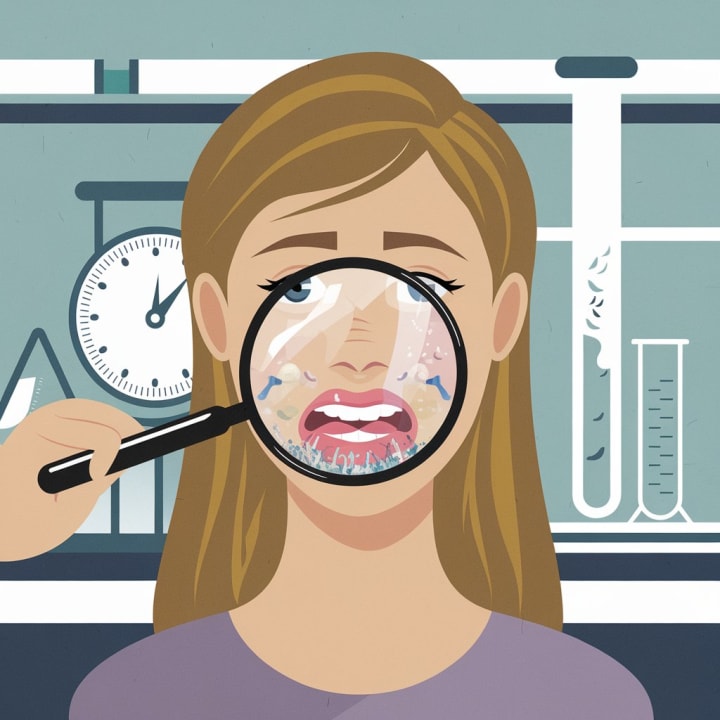
Modern sewage treatment systems also play a role, returning microplastics to the land even more quickly. Current technology struggles to separate microplastics from sewage sludge, so when biosolids are spread on agricultural and forest lands, microplastics are spread with them.
Sources of Microplastics
Even if you avoid products containing microplastics, it's nearly impossible to avoid ingesting them. They are in the air we breathe, the water we drink, and the food we eat. Products like cosmetics, clothing, and car tires all contribute to the microplastics in our waterways and ultimately in our bodies.
Bottled water, beer, and soda all contain microplastics, which end up in our bodies or the waste stream. Only about 5 percent of plastic waste from American households is recycled, with the rest ending up in landfills, incinerated, or exported. A significant portion of U.S. plastic waste is shipped overseas, where waste disposal is less regulated, contributing to the microplastics cycle.
Breaking the Cycle
The only reasonable response to this problem is to stop using plastics. We need to pressure manufacturers to stop using plastics in single-use products and packaging and exert political pressure for policies that will gradually reduce microplastics in our environment. Here are some actions we can take right away:

Purchase microplastics-free soaps and skin care products. Look for labels that say “microplastics free” or “certified organic” and avoid products containing polyethylene (PE), polypropylene (PP), polyethylene terephthalate (PET), polymethyl methacrylate (PMMA), or nylon. Use the free app, Beat the Microbead, to scan barcodes and check for microplastics.
Carry an eco-friendly water bottle. Avoid soft drinks and nationally distributed beer. Brew your own beer or purchase local craft brews from breweries you can visit and vet.
Reduce the release of microplastics when washing clothes. Use a fine mesh microplastic filter bag when laundering synthetic clothing. Gradually replace synthetic clothes with cotton, wool, and natural fibers. Reducing wash temperatures and washing clothes less frequently also helps.
Make your car tires last longer. Aim to drive less, carpool, use public transportation, and follow recommendations on tire rotation and tire pressure to extend the life of tires.
Monitor the amount of plastic you put in the trash and seek to reduce it. The only way to ensure that plastic doesn’t contribute to the microplastics crisis is not to purchase or use it in the first place.
Requiring Our Full Attention
The microplastics crisis is comprehensive and deeply systemic. Solving it will require our full attention. By taking these steps, we can begin to address this hidden danger and work towards a healthier future.
About the Creator
The Best Time To Eat Breakfast for Blood Sugar and Energy
Eating breakfast within 1–2 hours of waking up can help support blood sugar and provide energy and nutrients to start your day. Eating breakfast at a consistent time is important. Changing meal times can disrupt the body’s internal clock, which helps regulate blood sugar. A balanced breakfast with complex carbs, protein, and healthy fats helps support blood sugar.
By Good health to everyone2 days ago in Longevity
How Adult Nutrition Can Improve Energy, Confidence, and Performance
When people talk about health, they often focus on fitness, weight loss, or muscle gain. But one important topic is often overlooked—adult nutrition and how it impacts intimacy, energy, and confidence.
By Being Inquisitive2 days ago in Longevity



Comments
There are no comments for this story
Be the first to respond and start the conversation.