
The Girl Who Lost Weight Fast and Couldn’t Stop Drinking Water – Was It Just Exam Stress?
How Undiagnosed Diabetes Turned a Young Woman’s Life Upside Down


A 23-year-old woman with no prior medical history presented with a two-week history of severe thirst (polydipsia), increased urination (polyuria), and significant unexplained weight loss. Her family noticed her rapid weight loss and general fatigue but initially believed it was related to exam stress. On the day of her hospital visit, she experienced persistent nausea, repeated vomiting, abdominal pain, and severe dry mouth. When examined at the emergency department, she showed Kussmaul breathing, a fruity odor on her breath resembling acetone, and decreased alertness.
Further history revealed that she had been experiencing blurred vision for the past ten days. Despite having an increased appetite, her weight continued to decline. She also reported generalized weakness and muscle fatigue in recent days.
Laboratory tests revealed a blood glucose level of 280 mg/dL, a pH of 7.1, low bicarbonate levels, and positive urine ketones. These findings confirmed a diagnosis of newly onset Type 1 Diabetes Mellitus (T1DM) complicated by Diabetic Ketoacidosis (DKA).
Recognizing Early Signs of Diabetes
Early detection of diabetes is essential to prevent severe complications such as DKA. Some key warning signs include:
• Polyuria: Frequent urination due to high blood sugar.
• Polydipsia: Excessive thirst that is not relieved by drinking water.
• Polyphagia: Increased appetite, sometimes despite weight loss.
• Unexplained weight loss: Losing weight without any intentional changes in diet or exercise.
• Blurred vision: High blood sugar can temporarily change the shape of the lens in the eyes.
• Fatigue and muscle weakness: Feeling unusually tired or lacking energy.
• Recurrent infections: Skin infections, oral thrush, urinary tract infections, or vaginal infections in women.
Recognizing these early symptoms can save lives by enabling timely medical intervention before complications like DKA occur.
Management of Diabetic Ketoacidosis
1. Fluid Replacement (First Step):
The first and most crucial step in treating DKA is correcting dehydration. Normal saline (0.9% NaCl) is administered intravenously to restore intravascular volume and improve circulation.
2. Electrolyte Monitoring and Replacement:
Potassium levels must be closely monitored. Insulin therapy lowers potassium levels, so hypokalemia must be corrected before starting insulin to prevent life-threatening heart rhythm problems.
3. Insulin Therapy:
After stabilizing the patient’s fluid status, a continuous intravenous infusion of regular insulin is initiated. Insulin lowers blood glucose, stops ketone production, and helps resolve acidosis.
4. Correcting Acidosis and Addressing Underlying Causes:
Metabolic acidosis in DKA usually improves with proper fluid and insulin therapy. Bicarbonate administration is only recommended for severe cases (pH < 6.9). Additionally, any precipitating factors such as infections must be identified and treated promptly.
In simple terms:
• Step 1: Fluids
• Step 2: Correct potassium
• Step 3: Insulin
Key Takeaways
This case emphasizes the importance of early recognition of diabetes symptoms in young, otherwise healthy adults. The combination of excessive thirst, frequent urination, increased appetite with weight loss, blurred vision, fatigue, and recurrent infections should raise suspicion for diabetes. Prompt medical evaluation can prevent severe, life-threatening complications such as DKA.
Patient and family education is equally crucial. Individuals must be aware of diabetes warning signs and understand that sudden changes in weight, appetite, and energy levels require immediate medical attention. Early recognition, along with timely and proper management, significantly improves patient outcomes and reduces the risk of acute complications.
Healthcare professionals should always consider diabetes in patients presenting with these classic signs, even if they have no prior history of the disease. Public awareness campaigns and educational content on platforms like Vocal can help spread knowledge about recognizing early warning signs and seeking prompt medical care.
About the Creator
Faeze Gholami
“Registered nurse and vocal educator — sharing medical insights with clarity, compassion, and care.”
Keep reading
More stories from Faeze Gholami and writers in Longevity and other communities.
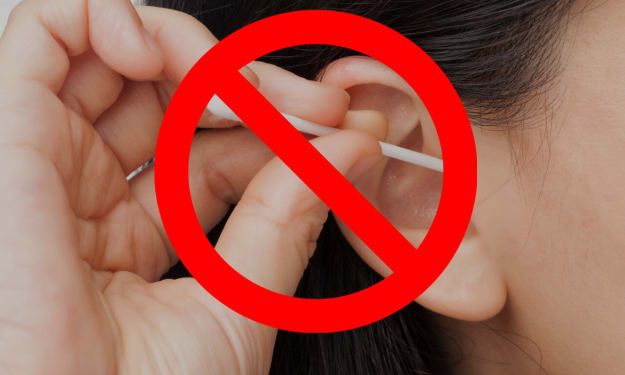
Please Don’t Put a Cotton Bud in Your Ear
Hi there! Let’s talk about something you’ve probably done hundreds of times — something that feels clean, harmless, even satisfying — but it’s actually one of the most common mistakes people make for their ear health: using a cotton bud to clean inside your ear.
By Faeze Gholami3 months ago in Longevity
Day 4 of Quitting
If this is how sobriety feels, maybe it’s better to go through life a little buzzed… this, along with other hits like, I want to kill myself, I wish I was dead, and I’m going to throw myself off a bridge have been the only thoughts on rotation these past few days. I promise myself that if, in a month, I still feel like this (‘this’ meaning despondent, full of rage, and simultaneously numb) I can go back to smoking. Until mid-February though? Nicotine is off the table.
By sleepy drafts12 days ago in Longevity


Comments
There are no comments for this story
Be the first to respond and start the conversation.