
The Ethics of Life Extension
Debating the moral and societal implications of extending human life through medical advancements


The Great Debate: Is Life Extension Ethical or Just Pushing Our Luck?
Life extension is no longer a sci-fi fantasy. With advancements in medical technology, we're stepping closer to living longer, healthier lives. But with this exciting prospect comes a heavy ethical question: should we really try to extend our lives? Let's dive into this debate and explore what it means for us as individuals and as a society.
What Is Life Extension?
Life extension refers to the various methods and technologies aimed at increasing human longevity. It includes everything from advanced medical treatments, genetic engineering, and even artificial intelligence. The goal is simple: to help people live longer, healthier lives. But the implications of this pursuit are anything but straightforward.
The Science Behind Life Extension
In recent years, breakthroughs in biology and medicine have made life extension more feasible. Think about it: stem cell therapy, gene editing like CRISPR, and advanced pharmaceuticals are just the tip of the iceberg. These technologies offer hope for treating diseases that currently shorten lives, such as cancer, heart disease, and neurodegenerative disorders. But is curing diseases enough, or do we need to go further?
The Upside of Longer Lives
Healthier Aging
Imagine a world where people age gracefully, free from debilitating illnesses. Life extension technologies promise not only to prolong life but to enhance its quality. With better health in our later years, we could enjoy more time with family, travel, and pursue dreams that we may have set aside.
Wisdom and Experience
Older individuals often bring a wealth of knowledge and experience. If people live longer, society could benefit from their insights and wisdom. Imagine a world where elders guide younger generations with lessons learned from decades of life experience. Wouldn’t that create a richer, more informed society?
Economic Growth
Longer lifespans could also contribute to economic growth. An aging workforce can still be productive. With the right tools and technologies, older individuals could continue to work in meaningful roles, thus reducing economic pressures on younger generations. Why waste valuable human capital when it could benefit everyone?
The Downsides of Life Extension
Overpopulation Concerns
One of the biggest fears surrounding life extension is overpopulation. If people live longer, does that mean we’ll have more individuals competing for limited resources? Food, water, and housing could become even scarcer. Do we really want to stretch our planet's resources even thinner?
Inequality Issues
Life extension technologies may not be accessible to everyone. Think about it: if only the wealthy can afford these medical advancements, we risk creating a society divided by health and longevity. The gap between the haves and have-nots could widen, leading to social unrest. Isn’t a fair society one where everyone has equal access to life-enhancing technologies?
The Question of Purpose
What happens to our motivations if we live indefinitely? The age-old question of life's purpose may become even more complicated. If we have more time, do we still chase our dreams with the same urgency? Or will some people end up wasting precious years due to complacency? Is living longer worth it if it means losing our drive?
Ethical Dilemmas in Life Extension
Playing God
Many argue that extending life through artificial means is a form of playing God. Should humans decide when to live or die? This raises profound philosophical questions about our role in the natural order. What if nature's course is to die at a certain age? Who are we to intervene?
The Right to Die
While some advocate for life extension, others see the value in choosing when to end one’s life. People with terminal illnesses often suffer tremendously. Shouldn’t they have the right to say enough is enough? The conversation becomes even more complex when we consider assisted dying and how it intersects with life extension.
Medical Resource Allocation
As we strive for longer lives, we must consider how medical resources are distributed. Should we prioritize life extension technologies over treatments for more common ailments? The question of fairness in healthcare looms large. Do we want a system that rewards some lives while neglecting others?
Societal Impacts of Life Extension
Changing Family Dynamics
Longer lives could shift family structures. Imagine grandparents living well into their 100s. While this can be a blessing, it may also complicate family dynamics. What happens when multiple generations live together? Can modern families handle the complexity that comes with longer lifespans?
Shifts in Employment and Education
As people live longer, we might see a need for continuous education and career shifts. Would we educate young people differently if they expect to work for 80 years? The job market would need to adapt to accommodate longer careers and possibly even more frequent career changes.
Cultural Perspectives on Aging
Different cultures view aging and death in unique ways. Some celebrate longevity, while others see it as a time of decline. As life extension becomes more common, will it change how we view aging? It could redefine respect for elders and shift cultural norms surrounding death.
Balancing Life Extension and Ethical Considerations
A Collaborative Approach
To navigate the complexities of life extension, we need a collaborative approach involving scientists, ethicists, policymakers, and the public. Open dialogue can help address concerns and find common ground. How can we balance the benefits of technology with ethical considerations?
Regulations and Guidelines
Creating guidelines for life extension technologies will be crucial. These should focus on equitable access, ethical usage, and prioritization of resources. Governments and organizations need to step up and ensure that life extension benefits everyone, not just a select few.
Conclusion: A Double-Edged Sword
The pursuit of life extension is both thrilling and daunting. While the possibility of living longer, healthier lives is enticing, we must tread carefully. Ethical dilemmas, societal implications, and personal motivations all play a significant role in this conversation.
As we stand on the brink of significant advancements in life extension, we are challenged to consider not just the science but also the morality of our choices. Are we ready to embrace this future, or should we take a step back and reconsider our priorities? The answer may shape the very fabric of our society for generations to come.
About the Creator
increase
Infusing expertise into every word to empower you with the best choices. Unveiling hidden gems and top-notch products for your refined taste and better lifestyle. #QualityContent #InformedDecisions
Met Office Forecasts Dry Weather for Sindh
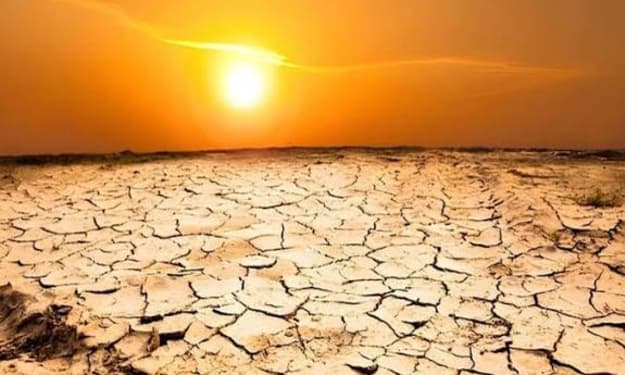
The Pakistan Meteorological Department has issued a forecast indicating that Sindh province is expected to experience a prolonged period of dry weather over the coming weeks. Meteorologists say the region will see little to no rainfall, with temperatures remaining above seasonal averages, raising concerns about agriculture, water resources, and public health. According to the Met Office, a high-pressure system over the Arabian Sea and the Indian subcontinent is likely to dominate weather patterns in Sindh for the next fortnight. This atmospheric configuration inhibits cloud formation, leading to clear skies and minimal precipitation. Forecasts predict daytime temperatures in major cities, including Karachi and Hyderabad, to hover between 28°C and 34°C, slightly above the long-term average for this period. Nighttime temperatures are expected to remain mild, ranging from 18°C to 22°C. The dry spell comes at a critical time for the agricultural sector. Sindh is a major contributor to Pakistan’s wheat, sugarcane, and rice production. Farmers are being advised to monitor soil moisture levels carefully and consider supplemental irrigation for crops at sensitive growth stages. Prolonged dry conditions can affect germination, yield, and quality, particularly for wheat crops that rely on moderate rainfall in the final stages before harvest. Water resource management is also expected to become a key challenge. Reservoirs and canals in Sindh, which depend on upstream flows from the Indus River system, are already operating at variable levels due to reduced inflows and increased water demand. Local authorities are monitoring water distribution closely, emphasizing conservation measures and urging residents to avoid excessive usage. In some districts, water rationing plans may be activated if the dry period persists. Public health officials have cautioned about potential heat-related risks. Although the current temperatures are not extreme, prolonged dry conditions can exacerbate health issues, particularly for vulnerable populations such as the elderly, children, and people with preexisting medical conditions. Heat stress, dehydration, and respiratory issues may become more common if residents do not take appropriate precautions. Health authorities recommend staying hydrated, avoiding prolonged exposure to the sun during peak hours, and ensuring access to cool environments. The Met Office also noted that dust storms and haze could occur in some areas due to the dry conditions combined with occasional strong winds. These phenomena can reduce visibility and impact road traffic, aviation, and outdoor activities. Residents are advised to take safety precautions, particularly when traveling, and to follow local advisories regarding dust and air quality. Economists have warned that the dry spell could have indirect effects on local markets. Reduced crop output may drive up food prices, especially for wheat, rice, and vegetables, affecting household budgets and contributing to inflationary pressures. Traders and suppliers are being advised to monitor market conditions and plan accordingly to avoid shortages or sudden price hikes. Despite the dry weather, meteorologists have noted that this pattern is part of a natural seasonal variation. Sindh typically experiences dry periods during the pre-monsoon and post-winter seasons, and occasional heat waves are not unusual. However, experts also emphasize that climate change may be altering rainfall patterns, leading to longer dry spells and more unpredictable weather events. Continuous monitoring and early warning systems are essential to mitigate risks to agriculture, water supplies, and public health. Authorities in Sindh have urged residents and local businesses to remain vigilant. Farmers should adopt efficient irrigation practices, municipal agencies should ensure water distribution networks function effectively, and the public should take measures to protect health and safety. Collaboration between government departments, meteorological agencies, and the community will be crucial in managing the impacts of this dry period. Looking ahead, the Met Office expects the dry spell to continue into late March, with little relief from rainfall until the onset of the pre-monsoon showers. While temperatures are likely to remain moderate, the persistence of dry weather underscores the need for careful planning and resource management in Sindh. Residents are encouraged to stay updated with official forecasts and advisories to minimize the effects of prolonged dry conditions on daily life and livelihoods.
By Fiaz Ahmed a day ago in Longevity
4 Surprising Truths About Nanoparticles In Your Soda
The Unseen World in Your Grocery Cart Imagine grabbing a can of soda or a packaged snack from your pantry. It's a simple, everyday act. Yet, hidden within that familiar fizz and sweetness is a technological frontier most of us never consider: the world of nanomaterials. Current research reveals that many of the foods and drinks we consume may contain engineered or unintentionally formed particles so small they are invisible to the naked eye. This article will explore four of the most surprising and impactful facts we are learning about nanotechnology in our food system, based on current research and analysis.
By The INFORMER6 days ago in Longevity
Pearl
1980 something. we all hung out at Pearl and you and i were nothing special, or so i thought. i mean we all danced, drenched in our own sweat, our own saline solution of fear, too many beers, shots, laughter, tears, fucks in the bathroom and i don't know when we began to be afraid. do you?
By ROCK aka Andrea Polla (Simmons)6 days ago in Fiction



Comments (2)
Thanks for sharing
It is well done.