
Blue Zones: Lessons from the World’s Longest-Living Populations
Insights from regions where people live significantly longer, healthier lives, and how to apply their habits to our own lives

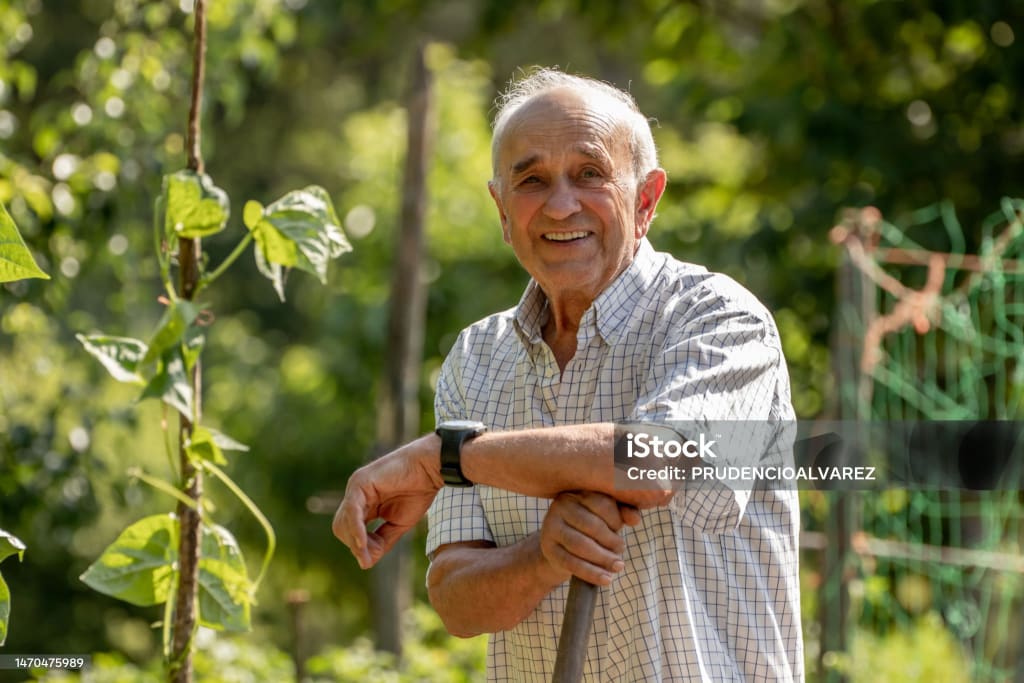
The quest for longevity and a healthy life has intrigued humanity for centuries. Across the world, there are specific regions where people not only live longer lives but also maintain their health and vitality well into their later years. These regions, known as "Blue Zones," offer profound insights into the secrets of longevity and well-being. The term "Blue Zones" was first coined by Dan Buettner, a National Geographic Fellow and author, who identified five areas around the world where people live significantly longer, healthier lives. These regions are Ikaria in Greece, Okinawa in Japan, Sardinia in Italy, Nicoya Peninsula in Costa Rica, and Loma Linda in California, USA.
This article delves into the key factors that contribute to the extraordinary longevity of the people living in these Blue Zones and how we can incorporate these lessons into our own lives.
Understanding Blue Zones
Blue Zones are characterized by a high concentration of centenarians—people who live to be 100 years old or more—and low rates of chronic diseases such as heart disease, diabetes, and cancer. The inhabitants of these regions not only live longer but also maintain a high quality of life, with many remaining active and engaged in their communities well into old age. The concept of Blue Zones has gained widespread attention as it provides a blueprint for healthy aging and longevity that can be applied globally.
The five identified Blue Zones are diverse in terms of culture, geography, and lifestyle, yet they share common factors that contribute to their inhabitants' longevity. These factors include diet, physical activity, social connections, and a strong sense of purpose, among others. By examining the habits and lifestyles of the people living in Blue Zones, we can uncover valuable lessons that can be applied to our own lives to promote health and longevity.
1. The Power of Purpose
One of the most significant factors contributing to the longevity of people in Blue Zones is their strong sense of purpose. Having a clear sense of purpose has been shown to have a profound impact on both mental and physical health, and it is a common thread that runs through all Blue Zone communities.
Ikigai and Moai in Okinawa
In Okinawa, Japan, the concept of "ikigai" plays a central role in the lives of its inhabitants. Ikigai, which roughly translates to "reason for being," is the idea that everyone has something that gives their life meaning and purpose. For the people of Okinawa, having a sense of ikigai is believed to contribute to their long and healthy lives. Whether it's caring for grandchildren, practicing traditional crafts, or engaging in community activities, the Okinawans' strong sense of purpose keeps them active, motivated, and socially connected.
Additionally, the concept of "moai," a term that refers to a lifelong group of friends who support each other, is prevalent in Okinawan culture. These social networks provide emotional and financial support, helping individuals navigate the challenges of life. The sense of belonging and connection fostered by moai groups is believed to play a crucial role in the mental and emotional well-being of Okinawans, contributing to their longevity.
Plan de Vida in Nicoya
In Nicoya, Costa Rica, a similar concept known as "plan de vida" is central to the lives of its inhabitants. Plan de vida translates to "life plan" or "life purpose," and it reflects the idea that having a clear sense of direction and goals contributes to a longer, healthier life. The people of Nicoya often remain active in their communities and continue to work on projects that are meaningful to them well into old age. This sense of purpose and engagement is believed to be a key factor in their longevity.
Purpose and Longevity
Research has shown that having a strong sense of purpose is associated with numerous health benefits, including a lower risk of chronic diseases, better mental health, and a reduced risk of mortality. People who have a clear sense of purpose are more likely to engage in healthy behaviors, maintain social connections, and cope with stress effectively. The lessons from Blue Zones underscore the importance of finding and nurturing a sense of purpose in our own lives as a way to promote longevity and well-being.
2. The Role of Diet
Diet is another critical factor that contributes to the longevity of people in Blue Zones. While the specific foods consumed in each Blue Zone vary based on local traditions and available resources, there are several common dietary patterns that are associated with longer, healthier lives.
Plant-Based Diets
One of the most significant dietary habits observed in Blue Zones is the emphasis on plant-based diets. People in these regions consume a diet that is rich in fruits, vegetables, legumes, whole grains, nuts, and seeds, with meat being consumed sparingly. Plant-based diets are high in essential nutrients, fiber, and antioxidants, all of which contribute to better health and a reduced risk of chronic diseases.
The Mediterranean Diet in Ikaria and Sardinia
In Ikaria, Greece, and Sardinia, Italy, the traditional Mediterranean diet is a cornerstone of longevity. The Mediterranean diet is rich in fresh fruits and vegetables, whole grains, legumes, nuts, olive oil, and moderate amounts of fish and dairy. This diet is low in red meat, processed foods, and sugar. The Mediterranean diet has been extensively studied and is associated with numerous health benefits, including a reduced risk of heart disease, stroke, and cognitive decline.
In Ikaria, the consumption of herbal teas made from wild plants, such as rosemary, sage, and dandelion, is also common. These teas are rich in antioxidants and anti-inflammatory compounds, which may contribute to the islanders' longevity.
The Okinawan Diet
The traditional Okinawan diet is another example of a plant-based diet that promotes longevity. The Okinawan diet is rich in sweet potatoes, tofu, green vegetables, and soy-based foods. It is low in calories and high in nutrients, providing the body with essential vitamins, minerals, and antioxidants. Okinawans also practice "hara hachi bu," a cultural practice of eating until they are 80% full, which helps prevent overeating and contributes to weight management.
The Nicoyan Diet
In Nicoya, Costa Rica, the diet is centered around beans, corn, squash, and tropical fruits. The Nicoyan diet is low in processed foods and high in fiber, which promotes digestive health and reduces the risk of chronic diseases. The people of Nicoya also consume minimal amounts of animal products, with a focus on plant-based proteins.
Loma Linda's Vegetarian Diet
Loma Linda, California, is home to a community of Seventh-day Adventists who follow a vegetarian diet. The Adventist diet is rich in fruits, vegetables, whole grains, nuts, and legumes, with little or no consumption of meat, alcohol, and caffeine. This diet is associated with a reduced risk of chronic diseases and a longer life expectancy.
Diet and Longevity
The dietary patterns observed in Blue Zones emphasize the importance of consuming whole, plant-based foods while minimizing the intake of processed foods, red meat, and sugar. These diets are rich in nutrients that support overall health and reduce the risk of chronic diseases, contributing to the longevity of the people in these regions. By adopting similar dietary habits, we can improve our own health and increase our chances of living a longer, healthier life.
3. Physical Activity and Natural Movement
Physical activity is another key factor that contributes to the longevity of people in Blue Zones. However, unlike the structured exercise routines commonly followed in the West, the physical activity in Blue Zones is often integrated into daily life through natural movement and activities.
Active Lifestyles in Sardinia
In Sardinia, Italy, the rugged terrain of the island encourages physical activity as a natural part of daily life. Sardinians often engage in activities such as walking, hiking, and farming, which keep them physically active throughout their lives. The mountainous landscape of Sardinia means that walking and climbing are integral parts of daily routines, contributing to cardiovascular health and muscle strength.
Gardening in Ikaria and Nicoya
Gardening is a common activity in both Ikaria, Greece, and Nicoya, Costa Rica. Tending to a garden not only provides fresh, healthy produce but also promotes physical activity and reduces stress. Gardening is a low-impact form of exercise that engages the entire body, improves flexibility, and increases exposure to sunlight, which is important for vitamin D synthesis.
Walking in Okinawa
Walking is a central part of daily life in Okinawa, Japan. Okinawans often walk to their destinations rather than relying on motorized transportation. This natural movement helps maintain cardiovascular health, supports weight management, and reduces the risk of chronic diseases. Walking also provides an opportunity for social interaction, which is another important factor in longevity.
Physical Activity in Loma Linda
In Loma Linda, California, physical activity is an important aspect of the Seventh-day Adventist lifestyle. Adventists often engage in regular exercise, such as walking, swimming, and cycling, as part of their daily routines. Physical activity is encouraged as a way to maintain health, prevent disease, and promote mental well-being.
Natural Movement and Longevity
The natural movement observed in Blue Zones highlights the importance of staying physically active throughout life. Unlike structured exercise routines, natural movement is seamlessly integrated into daily activities, making it sustainable and enjoyable. Regular physical activity is associated with numerous health benefits, including improved cardiovascular health, better weight management, stronger muscles and bones, and a reduced risk of chronic diseases. By incorporating more natural movement into our own lives, we can enhance our health and increase our chances of living a longer, healthier life.
4. Social Connections and Community
Strong social connections and a sense of community are common factors in all Blue Zones and play a crucial role in the longevity of their inhabitants. The importance of social interaction and support cannot be overstated, as it has a profound impact on both mental and physical health.
Family and Community in Sardinia
In Sardinia, Italy, family is at the center of daily life. Sardinians place a high value on family ties and often live in multi-generational households, where older family members are cared for and respected. This strong sense of family and community provides emotional support, reduces stress, and contributes to a sense of belonging.
The close-knit communities in Sardinia also provide social support and a sense of security, which are important for mental well-being. Social gatherings, festivals, and religious events are common in Sardinian culture, fostering a sense of togetherness and connection.
Okinawan Moai Groups
As mentioned earlier, the concept of "moai" in Okinawa, Japan, refers to a lifelong group of friends who support each other throughout life. These social networks provide a strong sense of belonging and emotional support, which are crucial for mental and emotional health. The bonds formed within moai groups help individuals cope with stress, navigate challenges, and maintain a positive outlook on life.
Faith and Community in Loma Linda
In Loma Linda, California, the Seventh-day Adventist community places a strong emphasis on faith and social connections. Regular participation in religious services and community activities provides emotional support, a sense of purpose, and a feeling of belonging. The Adventist community also promotes a healthy lifestyle, which includes a focus on diet, physical activity, and mental well-being.
Social Connections in Nicoya
In Nicoya, Costa Rica, strong social connections and a sense of community are integral to the lives of its inhabitants. Nicoyans often engage in social activities with family and friends, which provides emotional support and reduces stress. The sense of community in Nicoya is further strengthened by shared cultural traditions and a collective approach to life.
Social Connections and Longevity
Research has shown that strong social connections are associated with numerous health benefits, including a reduced risk of chronic diseases, better mental health, and a lower risk of mortality. Social support helps individuals cope with stress, maintain a positive outlook on life, and stay engaged in meaningful activities. The lessons from Blue Zones underscore the importance of nurturing social connections and fostering a sense of community as a way to promote longevity and well-being.
5. Stress Reduction and Relaxation
Stress is a significant factor that can negatively impact health and longevity. Chronic stress is associated with a wide range of health issues, including heart disease, hypertension, depression, and a weakened immune system. The people in Blue Zones have developed effective strategies for managing stress and promoting relaxation, which contribute to their overall well-being and longevity.
Siestas in Ikaria
In Ikaria, Greece, the practice of taking a midday nap, known as a siesta, is common. Siestas provide an opportunity to rest and recharge, reducing stress and promoting relaxation. Studies have shown that taking regular naps is associated with a reduced risk of heart disease and improved cognitive function.
Mindfulness and Meditation in Okinawa
In Okinawa, Japan, mindfulness and meditation practices are an integral part of daily life. Okinawans often engage in mindfulness activities, such as tai chi and yoga, which promote relaxation, reduce stress, and improve mental well-being. These practices help individuals stay present, manage stress effectively, and maintain a positive outlook on life.
Sabbath Observance in Loma Linda
In Loma Linda, California, the observance of the Sabbath is an important aspect of the Seventh-day Adventist lifestyle. The Sabbath is a day of rest, reflection, and spiritual rejuvenation. During this time, Adventists focus on family, community, and faith, which helps reduce stress and promote relaxation. The practice of taking a day of rest each week is believed to contribute to the longevity and well-being of the Adventist community.
Stress Reduction in Sardinia and Nicoya
In both Sardinia, Italy, and Nicoya, Costa Rica, the slower pace of life and close connection to nature contribute to lower stress levels. The people in these regions often spend time outdoors, engage in social activities, and prioritize relaxation. The natural beauty of these regions and the emphasis on community and family help create a stress-reducing environment.
Stress Reduction and Longevity
Effective stress management is crucial for maintaining overall health and well-being. Chronic stress can have a detrimental impact on both mental and physical health, leading to a shorter life expectancy. The strategies for stress reduction observed in Blue Zones, such as napping, mindfulness, and social connection, offer valuable lessons for managing stress in our own lives. By incorporating these practices, we can reduce stress, improve our health, and potentially extend our lifespan.
6. Spirituality and Faith
Spirituality and faith play a significant role in the lives of people living in Blue Zones. A strong sense of spirituality or religious faith is associated with numerous health benefits, including better mental health, lower levels of stress, and a reduced risk of chronic diseases.
Faith in Loma Linda
In Loma Linda, California, the Seventh-day Adventist community places a strong emphasis on faith and religious practices. Regular participation in religious services, prayer, and spiritual reflection provides emotional support, a sense of purpose, and a feeling of connection to a higher power. The Adventist faith also promotes a healthy lifestyle, which includes a focus on diet, physical activity, and mental well-being.
Spiritual Practices in Okinawa
In Okinawa, Japan, spirituality is often intertwined with cultural practices and traditions. Okinawans engage in rituals and ceremonies that honor their ancestors and connect them to their cultural heritage. These practices provide a sense of continuity, purpose, and connection to something greater than themselves.
Spirituality in Ikaria and Sardinia
In both Ikaria, Greece, and Sardinia, Italy, spirituality and faith are important aspects of daily life. The people in these regions often participate in religious services, celebrate religious festivals, and engage in spiritual practices that promote a sense of peace and well-being. The close connection between spirituality and community in these regions further enhances their mental and emotional health.
Spirituality and Longevity
Research has shown that spirituality and religious faith are associated with numerous health benefits, including better mental health, lower levels of stress, and a reduced risk of mortality. A strong sense of spirituality or faith provides individuals with a sense of purpose, emotional support, and a framework for coping with life's challenges. The lessons from Blue Zones highlight the importance of nurturing spirituality or faith as a way to promote longevity and overall well-being.
7. Environmental Factors
The natural environment in Blue Zones also plays a significant role in the longevity of their inhabitants. The physical surroundings, climate, and access to nature all contribute to the health and well-being of the people living in these regions.
Natural Beauty and Outdoor Living
In Blue Zones such as Ikaria, Greece, Sardinia, Italy, and Nicoya, Costa Rica, the natural beauty of the surroundings encourages outdoor living and physical activity. The people in these regions often spend time outdoors, engaging in activities such as walking, gardening, and socializing. Exposure to nature has been shown to have numerous health benefits, including reduced stress, improved mental health, and enhanced physical well-being.
Climate and Longevity
The climate in Blue Zones also contributes to the longevity of their inhabitants. Many Blue Zones are located in regions with mild, temperate climates, which allow for year-round outdoor activity and access to fresh, healthy food. The Mediterranean climate of Ikaria and Sardinia, for example, supports the growth of fruits, vegetables, and herbs that are integral to the Mediterranean diet.
Air Quality and Pollution
Low levels of pollution and good air quality are common characteristics of Blue Zones. In regions such as Ikaria, Sardinia, and Nicoya, the air is clean, and pollution levels are low. Clean air is essential for respiratory health and overall well-being, and it contributes to the longevity of the people living in these regions.
Environmental Factors and Longevity
The natural environment in Blue Zones plays a crucial role in promoting health and longevity. Access to nature, clean air, and a favorable climate all contribute to the well-being of the people in these regions. The lessons from Blue Zones highlight the importance of creating and maintaining healthy environments that support physical, mental, and emotional health.
8. Healthy Habits and Longevity
The people living in Blue Zones have developed a range of healthy habits that contribute to their longevity. These habits, which include regular physical activity, healthy eating, stress management, and social connection, are integral to their overall well-being and long life expectancy.
Consistency and Routine
One of the key factors that contribute to the longevity of people in Blue Zones is the consistency and routine with which they engage in healthy habits. Whether it's following a plant-based diet, engaging in regular physical activity, or participating in social activities, the people in Blue Zones have developed habits that they practice consistently throughout their lives. This consistency helps maintain their health and well-being over the long term.
Mindful Eating and Moderation
Mindful eating and moderation are common practices in Blue Zones. The people in these regions often eat slowly, savoring their food and paying attention to hunger and fullness cues. This mindful approach to eating helps prevent overeating and promotes healthy digestion. Additionally, moderation is practiced in terms of portion sizes and the consumption of certain foods, such as meat and alcohol.
Social Connection and Engagement
As discussed earlier, social connection and engagement are central to the lives of people in Blue Zones. Regular interaction with family, friends, and the community provides emotional support, reduces stress, and enhances mental well-being. These social connections also provide a sense of purpose and belonging, which are important for overall health and longevity.
Physical Activity and Natural Movement
Physical activity and natural movement are integral parts of daily life in Blue Zones. The people in these regions engage in activities such as walking, gardening, and manual labor, which keep them physically active and promote cardiovascular health. The emphasis on natural movement rather than structured exercise makes physical activity sustainable and enjoyable.
Healthy Habits and Longevity
The healthy habits practiced by the people in Blue Zones offer valuable lessons for promoting longevity and well-being. By adopting similar habits, such as consistent physical activity, mindful eating, social connection, and stress management, we can improve our own health and increase our chances of living a longer, healthier life.
9. Applying Blue Zone Lessons to Our Own Lives
The lessons learned from Blue Zones provide a blueprint for healthy aging and longevity that can be applied to our own lives. While we may not be able to replicate the exact conditions of these regions, we can incorporate many of the habits and practices that contribute to the longevity of the people living in Blue Zones.
1. Cultivate a Sense of Purpose
Finding and nurturing a sense of purpose is essential for longevity and well-being. Whether it's through work, hobbies, volunteering, or spending time with loved ones, having a clear sense of purpose can provide motivation, enhance mental health, and promote a longer life.
2. Adopt a Plant-Based Diet
Incorporating more plant-based foods into our diet can have a significant impact on our health and longevity. Focus on consuming a variety of fruits, vegetables, legumes, whole grains, nuts, and seeds, while minimizing the intake of processed foods, red meat, and sugar. The emphasis should be on whole, nutrient-dense foods that support overall health.
3. Stay Physically Active
Regular physical activity is crucial for maintaining health and promoting longevity. Look for opportunities to incorporate natural movement into your daily life, such as walking, gardening, or engaging in activities that you enjoy. Aim to stay active throughout life, rather than relying solely on structured exercise routines.
4. Foster Social Connections
Strong social connections and a sense of community are important for mental and emotional well-being. Make an effort to build and maintain relationships with family, friends, and neighbors. Participate in social activities, join community groups, and prioritize spending time with loved ones.
5. Manage Stress Effectively
Chronic stress can have a detrimental impact on health and longevity. Develop strategies for managing stress, such as practicing mindfulness, meditation, or relaxation techniques. Make time for rest, relaxation, and activities that bring you joy and fulfillment.
6. Nurture Spirituality or Faith
Whether through religious practices, meditation, or a connection to nature, nurturing spirituality or faith can provide a sense of purpose, emotional support, and a framework for coping with life's challenges. Find what resonates with you and make it a regular part of your life.
7. Create a Healthy Environment
Your environment plays a significant role in your health and well-being. Aim to create a living space that promotes physical activity, access to nature, and a healthy diet. Reduce exposure to pollution, toxins, and unhealthy foods, and prioritize clean air, natural light, and a connection to the outdoors.
Conclusion
The lessons from the world's longest-living populations in Blue Zones provide valuable insights into the factors that contribute to longevity and well-being. By adopting the habits and practices observed in these regions—such as cultivating a sense of purpose, following a plant-based diet, staying physically active, fostering social connections, managing stress, nurturing spirituality or faith, and creating a healthy environment—we can enhance our own health and increase our chances of living a longer, healthier life. While the specific conditions of Blue Zones may not be easily replicated, the principles they offer are universally applicable and provide a blueprint for achieving a long, vibrant life.
About the Creator
increase
Infusing expertise into every word to empower you with the best choices. Unveiling hidden gems and top-notch products for your refined taste and better lifestyle. #QualityContent #InformedDecisions
Herbal Tea: Natural Drink for Relaxation and Better Health
Introduction: Herbal tea is a natural beverage made from dried herbs, flowers, fruits, or spices. Unlike traditional teas such as black or green tea, herbal tea usually does not come from the Camellia sinensis plant.
By Health Tips2 days ago in Longevity
Why Your Brain Feels Foggy During the Day
Why Your Brain Feels Foggy? Have you ever sat in class or tried to study, only to realize that your brain just isn’t cooperating? You read the same sentence three times, struggle to focus, and feel mentally drained even though the day has barely started. Many students experience this feeling, often described as “brain fog.”
By Being Inquisitive6 days ago in Longevity
Top tipple tricks
Been thinking a lot about drinking, lately. Not least because of a recent episode of over-indulgence and the inevitable after effects. Some readers may recall the earlier articles I wrote about beating the booze. Here I set out an experiment in techniques for cutting down on my alcohol intake. The experiment was successful, the techniques worked, and I have armed myself with an arsenal of weapons in the war against the demon drink. I have yet to fire the first round however. It's all a question of timing (perhaps procrastination).
By Raymond G. Taylor6 days ago in Psyche




Comments (1)
Excellent piece