
The Essential Role of Stainless Steel Pipe in Modern Industry
Durability, Versatility, and the Hidden Backbone of Modern Infrastructure

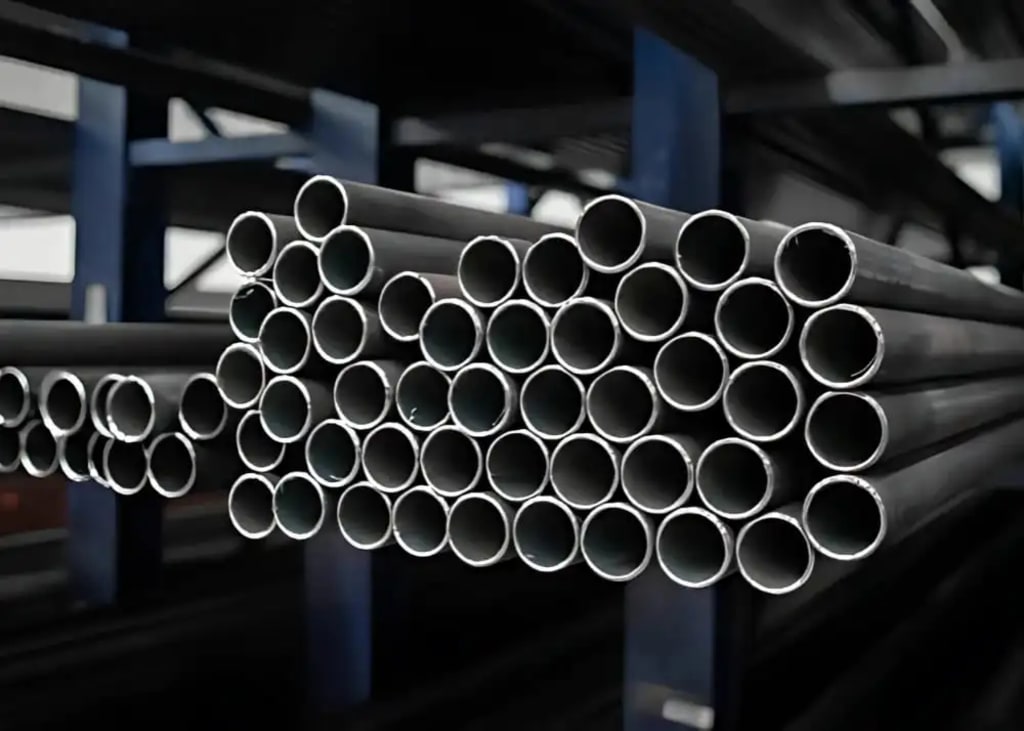
In the vast landscape of engineering, construction, and manufacturing, few materials have left as profound a mark as stainless steel. Its durability, corrosion resistance, and versatility have made it indispensable across industries ranging from architecture to food processing. Among its many forms, the Stainless Steel Pipe stands out as a cornerstone of modern infrastructure, quietly supporting countless systems that sustain everyday life.
This article explores the history, properties, and diverse applications of stainless steel pipes, emphasizing why they remain a trusted choice in industries worldwide.
A Brief History of Stainless Steel Pipe
The story of stainless steel itself begins in the early 20th century when metallurgists discovered that adding chromium to steel produced a material highly resistant to rust and staining. This breakthrough led to rapid experimentation and the development of stainless steel alloys suited for different environments.
By the mid-20th century, engineers recognized the potential of shaping stainless steel into pipes. Unlike ordinary steel, which corrodes when exposed to moisture and oxygen, stainless steel pipes offered exceptional longevity even in demanding conditions. This durability soon revolutionized industries such as chemical processing, water supply, and energy.
Today, stainless steel pipes are not merely industrial tools but essential components in advancing global infrastructure.
Properties That Define Stainless Steel Pipes
Several key attributes explain why stainless steel pipes are so widely used:
Corrosion Resistance
The presence of chromium (usually 10.5% or higher) forms a passive layer on the surface of stainless steel, protecting it from rust. This makes stainless steel pipes ideal for environments exposed to water, chemicals, and varying weather conditions.
Strength and Durability
Unlike materials that degrade quickly under pressure, stainless steel pipes retain their structural integrity. They can withstand high pressure and temperature, making them suitable for both residential plumbing and heavy industrial systems.
Hygiene and Cleanliness
Smooth inner walls prevent the buildup of scale, bacteria, or contaminants. For this reason, stainless steel pipes are frequently used in food production, medical facilities, and water purification.
Aesthetic Appeal
Beyond functionality, stainless steel’s sleek appearance lends itself to architectural and design applications. Exposed stainless steel pipes in modern buildings often serve both structural and decorative purposes.
Recyclability
Stainless steel is fully recyclable, aligning with sustainability goals across industries. Old pipes can be melted down and reused without losing their properties.
Types of Stainless Steel Pipes
Stainless steel pipes are not uniform; they are designed in different grades and forms depending on their use. The most common types include:
Seamless Pipes: Manufactured without joints, these pipes are stronger and better suited for high-pressure environments such as oil and gas.
Welded Pipes: Made by welding sheets of stainless steel, these pipes are more cost-effective and widely used in applications like water transport.
Decorative Pipes: Polished for aesthetic purposes, these pipes are often used in architectural projects.
Sanitary Pipes: Specifically designed for industries where hygiene is critical, such as pharmaceuticals and food processing.
Each type reflects the adaptability of stainless steel pipes to different industries and technical requirements.
Applications Across Industries
The versatility of stainless steel pipes lies in their ability to serve multiple roles across diverse sectors:
1. Construction and Architecture
Skyscrapers, bridges, and modern residential complexes rely heavily on stainless steel for structural integrity. Pipes are used for plumbing, heating systems, and even exposed design elements that enhance modern aesthetics.
2. Water and Sewage Systems
Delivering clean water and disposing of waste are essential urban functions. Stainless steel pipes, with their resistance to corrosion, provide long-lasting solutions for municipal water supply and sewage treatment plants.
3. Oil, Gas, and Energy
In these industries, pipes are subjected to extreme conditions—high pressure, corrosive substances, and fluctuating temperatures. Stainless steel pipes offer the reliability needed to transport fuel and chemicals safely.
4. Food and Beverage Processing
Stainless steel’s hygienic properties ensure that pipes used in breweries, dairies, and food factories do not contaminate products. Their ease of cleaning also supports strict health standards.
5. Medical and Pharmaceutical Fields
Hospitals and laboratories depend on sterile environments. Stainless steel pipes are employed in medical gas systems, surgical equipment manufacturing, and the transportation of purified water.
6. Automotive and Aerospace
Exhaust systems, hydraulic lines, and aircraft components all use stainless steel pipes due to their high strength-to-weight ratio and resistance to wear.
Environmental Benefits
In a world increasingly conscious of sustainability, stainless steel pipes offer notable environmental advantages. Their long lifespan reduces the need for frequent replacements, minimizing waste. Furthermore, the recycling rate of stainless steel is exceptionally high, meaning pipes that reach the end of their service can be reintroduced into the production cycle.
This sustainability factor aligns with global goals to reduce carbon emissions and promote circular economies.
Challenges and Considerations
Despite their many benefits, stainless steel pipes are not without challenges. Their initial cost is generally higher than alternatives like PVC or galvanized steel. However, when considering the long-term savings from reduced maintenance and longer service life, stainless steel often proves more economical.
Additionally, selecting the right grade of stainless steel for specific environments is crucial. For instance, marine applications require higher grades resistant to saltwater corrosion, while indoor plumbing may not demand such robustness.
The Future of Stainless Steel Pipes
As technology evolves, so too does the application of stainless steel. Researchers are developing advanced alloys with even greater resistance to extreme conditions. The integration of stainless steel pipes into renewable energy projects, such as geothermal systems and hydrogen transport, highlights their continued relevance.
Moreover, urbanization and infrastructure expansion in developing countries are likely to increase global demand for stainless steel pipes. With industries prioritizing sustainability and safety, stainless steel remains a material of choice for the future.
Everyday Encounters with Stainless Steel Pipes
For many, stainless steel pipes might seem invisible, buried underground or hidden within walls. Yet they are present in daily life in subtle ways—whether carrying water to a household tap, forming part of a building’s heating system, or shaping the sleek handrails of public spaces.
Their omnipresence underscores how vital these pipes are to the smooth functioning of society. The next time one admires the clean lines of a modern building or enjoys safe drinking water, it is worth recognizing the role stainless steel pipes quietly play behind the scenes.
Conclusion
The Stainless Steel Pipe is far more than an industrial product; it is a foundation of modern civilization. From ensuring clean water to supporting towering skyscrapers, from advancing medical care to enabling global energy systems, stainless steel pipes embody resilience, reliability, and innovation.
As industries and societies evolve, the role of stainless steel pipes will only expand, adapting to new challenges while maintaining the qualities that first made them indispensable. Their story is not just about metal and engineering but about building a sustainable and interconnected world.
About the Creator
Keep reading
More stories from charliesamuel and writers in Longevity and other communities.
Seeing Clearly Through Art: A Closer Look at Jean Philippe Joly Sunglasses and the Replica Culture
In today’s fashion landscape, eyewear is no longer just a tool for clarity or protection—it’s an expressive medium, a way to reflect identity, creativity, and attitude. Few brands embody this ethos as boldly as Jean Philippe Joly Sunglasses. Known for their handcrafted flair and artistic curves, these frames often spark conversation. But not all conversations orbit around the originals. With the rise of accessible fashion and digital shopping trends, many turn their eyes toward Replica Jean Philippe Joly Sunglasses as a way to participate in style without the high-end price tag.
By charliesamuel7 months ago in Longevity
Microsoft's Purposeful Marketing Deception About AI's Ability To Beat Physicians In Diagnosis
When you look at the world of scientific research... If you are not careful... You will be fooled into believing things that are not actually supported by the data.
By Dr. Cody Dakota Wooten, DFM, DHM, DAS (hc)a day ago in Longevity
The Forsyth House Fire
Since 1851, Forsyth House has stood on the corner of Union Street and Gordon Street in the heart of Glasgow. Its iconic, or was... because on Sunday 8th of March, 2026, a fire broke out in a small, seemingly un-named shop in the building and tore all that history down. As I write, the rubble is still unsettled and the street is still blocked off. Central Station is quiet on the upper level, and around 30 small businesses have quite literally gone up in smoke.
By S. A. Crawford3 days ago in The Swamp




Comments
There are no comments for this story
Be the first to respond and start the conversation.