
The End of Silence: Why the World Is Getting Louder Every Year
From city streets to digital noise, humanity may be drowning in sound—and the consequences are deeper than we think.
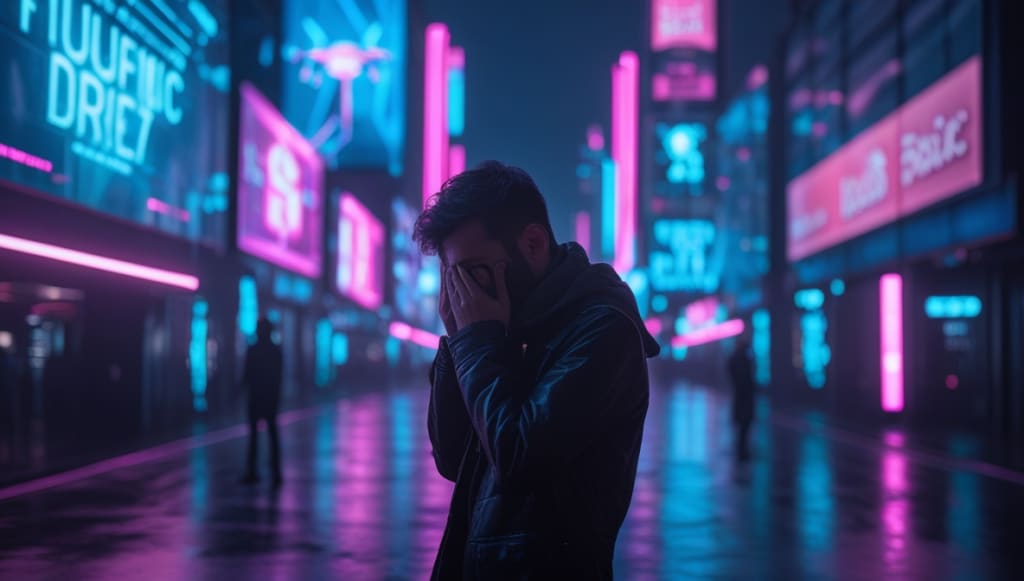
Silence has always been a haven. People have always understood that quiet revitalizes the spirit, from monks meditating in high-altitude environments to authors withdrawing to remote cabins in woodlands. Still, silence is growing more rare—an at-risk good in a society that rejects reduced noise levels—by the year 2025.
One may find evidence of this phenomena by going outside in almost any city. It is a never-ending onslaught of vehicle horns, construction machines, music from nearby stores, persistent cellphone alerts, overhead drones, and even the continuous hum of air conditioning systems. We live in an age when sound travels with us everywhere.
The disturbing question is this: when silence disappears, what impacts does our life go through?
The Noise Explosion
Without a doubt, there has always been noise. Because cities have always been congested as a result of their commercial, industrial, and transportation hub status. Still, the volume of noise in modern surroundings is unmatched in intensity and duration.
According to the World Health Organization, noise pollution is now thought to be the second most serious environmental danger, behind only air pollution. This encompasses the constant, unceasing background noise as well as loud events or construction projects.
Most cities a century ago enjoyed evenings that were quite calm. The constant drone of airplanes, automobiles, devices, and alarms has generated an auditory atmosphere today in which real quietness is virtually nonexistent.
Rural areas also feel this trend. The quiet rural experience is frequently punctuated by a constant layer of mechanical noise from nearby roadways, wind energy facilities, and shipping channels. Because tourists and drones are invading the natural environment itself, the sensation of quiet is becoming less and less ubiquitous across the world.
The Price of Noise
What gives this so much weight? After all, people can change. Isn't it correct that we merely cut out background noise?
Not quite. Studies show that biological effects can result from even low noise levels. Consequently, the stress hormone cortisol rises. It also raises blood pressure and heart rate. Even if we don't completely wake up, it disrupts our sleep pattern.
Children raised in loud settings typically display slower academic growth and poor focus. Adults living in densely populated urban areas claim to have more episodes of melancholy, anxiety, and irritability. Apart from our ears, noise affects our neural systems.
The most concerning element is protracted exposure to loud environments as it leads to early hearing loss. Many young people are already hearing loss as a result of strong headphones and constant exposure to city noises. Experts believe that the iPod generation could have hearing difficulties decades sooner than their forebears.
Digital Noise: The New Frontier
Beyond the physical plane, noise has developed. It now lives in the digital sphere.
Your screen will be overrun with notifications when you open your phone. Videos run automatically, signals vibrate, messages chime. The modern mind is bombarded with carefully made auditory signals meant to catch interest. The psychological expectation of continuous notifications causes what researchers call "phantom vibrations"—the feeling of hearing one's phone ring or vibrate when it really hasn't—even with devices mute.
This kind of digital noise is as exhausting as regular noise. Our brains are not prepared to handle the innumerable little disturbances we encounter every day. Studies link the overload of messages to decreased focus, increased stress levels, and even worse memory capacity.
In this sense, quiet denotes the absence of interruptions rather than only the lack of noise. That kind of calm is also disappearing.
The Vanishing Sacred Spaces
Areas of peace were included into daily life once: churches, libraries, temples, and meditation rooms were examples. Still, even these surroundings are fading away.
Laptops and hushed conversations define the humming activity in libraries. Live-streaming and amplified sound systems keep churches and mosques busy. Even meditation programs ironically give us instructed quiet among a backdrop of digital noise.
True stillness has become so difficult to find that companies have grown to offer it. People are investing in what was before given free: the experience of quiet, from small pods at airports to expensive retreats in natural surroundings.
The Wellness Cost
Noise is slowly being recognized by the wellness community as a major but neglected problem.
Problems including poor sleep, anxiety, hearing loss, and even cardiac disease are linked with excessive noise exposure. Noise pollution, though, usually gets little attention from media outlets and legislators in contrast with air or water pollution.
Think about this: when did you last come across a movement attempting to lower noise levels? Though cities have rules on smoking, emissions, and waste disposal, the constant construction, horn-honking cars, and nocturnal traffic continue uncontrolled.
Wellness includes more than simply eating, physical activity, and mindfulness techniques. Furthermore included is the auditory environment we encounter daily. Modern sounds are progressively harming our well-being absent deliberate effort.
Can Silence Be Saved?
The good news is that silence is not permanently gone; rather, getting it back calls effort.
Implementing noise barriers, adding trees, and enforcing traffic constraints allow urban design to produce calm zones.
Taking breaks from technology—such as disabling alerts and setting aside time without screens—can help to return mental calm.
Spending a few hours in nature lets the nervous system revive itself.
A change in society stressing quiet will help to ensure that schools, companies, and public transportation maintain their current status.Silence can help to bring back respect for the value of quietness.
Some countries are already trying fresh ideas. Strict rules in Switzerland guarantee peace at night. Japan's train networks are well-known for their virtually silent operation. In some parts of Scandinavia, peaceful zones are treated with the same regard as legislation against smoking. These examples show that it is achievable but requires a concerted effort.
The Future of Sound
Technology simultaneously degrades and saves quiet, hence creating the ironic paradox of our age. We are immersed in a never-ending wave of mechanical and digital noise. On the other hand, gadgets like noise-cancelling headphones, soundproof homes, and wellbeing apps offer artificial quiet.
Still, is this manufactured silence enough? Or do people genuinely need the real experience—the calm quiet found in nature, like in woods and mountains, or perhaps even a quick moment of unfettered peace in everyday life?
This question may affect not only our auditory well-being but also our psychological strength as we consider what lies ahead. A reality lacking in introspection is one free of silence. Humans run the risk of being overcome by the very cacophony they have produced if introspection is missing.
Conclusion: The Last Refuge
Silence captures the core of clarity rather than shows an absence of sound. It opens room for the spirit to broaden, the body to heal, and the mind to quiet.
As we near the year 2025, the challenge at hand is to sincerely protect quiet as a fundamental human right rather than only control sound. Just as we support clean drinking water and fresh air, we must stand behind the need for periods of actual quietness.
In essence, silence is a requirement for survival, not only a luxury.
About the Creator
Keep reading
More stories from Shahjahan Kabir Khan and writers in Longevity and other communities.
The Silent Pandemic: Loneliness in the Age of Smart Tech
It is both ironic in a world where you may immediately video call people all over the world, peruse through endless streams of curated experiences. and rather frightening that solitude has evolved to be among the most major health concerns of our age when with one touch messages may be transmitted. Studies reveal that we are becoming lonelier even if we are more connected than ever. The World Health Organization now views loneliness as a major global health problem related to a higher risk of heart disease and mental health issues like depression, anxiety, and suicide; depression, dementia, and even early death; Experts claim that persistent loneliness can be as detrimental to one's health as smoking 15 cigarettes every day.
By Shahjahan Kabir Khan4 months ago in Longevity
Day 4 of Quitting
If this is how sobriety feels, maybe it’s better to go through life a little buzzed… this, along with other hits like, I want to kill myself, I wish I was dead, and I’m going to throw myself off a bridge have been the only thoughts on rotation these past few days. I promise myself that if, in a month, I still feel like this (‘this’ meaning despondent, full of rage, and simultaneously numb) I can go back to smoking. Until mid-February though? Nicotine is off the table.
By sleepy drafts12 days ago in Longevity
The Hidden Danger of Visceral Fat
Did you know that carrying excess body fat can dramatically increase your risk of serious diseases—even if you appear slim? Research has shown that women with higher body fat over 13 years had a three-fold increase in breast cancer risk. And it’s not just breast cancer—visceral fat has been linked to 14 other cancers, from colon to ovarian to prostate. This is the fat that hides deep inside your body, around your organs, quietly sabotaging your health.
By Edward Smith5 days ago in Longevity



Comments
There are no comments for this story
Be the first to respond and start the conversation.