
The Dark Side of Fitness Influencers: How They Manipulate Their Followers
Exposing the Deceptive Tactics and Hidden Agendas of Social Media's Fitness Gurus

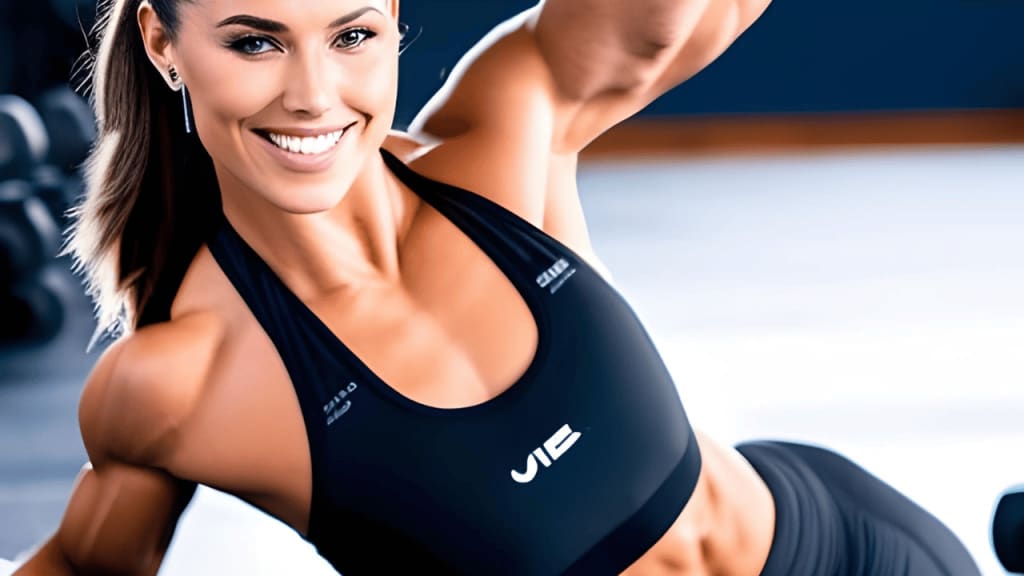
In recent years, fitness influencers on social media have gained immense popularity and amassed millions of followers. With their toned physiques, motivational quotes, and seemingly perfect lifestyles, they inspire and influence people worldwide to pursue health and fitness goals.
However, not all fitness influencers have their followers' best interests at heart. Some may provide false or misleading information that can harm their health and fitness goals. In this article, we will dive into the dark side of fitness influencers and expose the deceptive tactics and hidden agendas that they use to manipulate their followers.
#1 Financial incentives
While some fitness influencers provide valuable information and guidance to their followers, others may engage in deceptive practices that can harm their health and fitness goals.
One such reason why fitness influencers may lie to their followers is for financial incentives. Many influencers make money by promoting products or services related to fitness, such as supplements, workout gear, or workout programs. They may receive commissions or sponsorships for endorsing certain brands or products, which can incentivize them to exaggerate the benefits of these products to increase sales, even if they know they are ineffective or potentially harmful.
For example, an influencer may claim that a certain supplement helped them lose weight, build muscle, or improve their performance, even if there is no scientific evidence to support these claims. They may also use before-and-after photos or testimonials to showcase the supposed benefits of the product, without disclosing that they were paid to promote it.
This can mislead their followers into thinking that the product is a magic solution that will help them achieve their goals without putting in the necessary effort or making other lifestyle changes. In reality, many of these products may be unnecessary, overpriced, or even unsafe, especially if used without proper guidance or supervision.
Moreover, some influencers may promote certain products or services not because they believe in their effectiveness or quality, but because they offer higher commissions or sponsorships than other options. This can create a conflict of interest between the influencers and their followers, who may be unaware of the financial motives behind their recommendations.
Financial incentives can be a powerful motivator for fitness influencers to deceive their followers and promote products or services that are not in their best interest. It is important for followers to be critical and informed when evaluating the claims and endorsements of influencers, and to seek advice from qualified professionals before making any significant changes to their fitness routine or diet.
#2 Unrealistic expectations
Unrealistic expectations are a significant issue when it comes to fitness influencers on social media. Many of these influencers present themselves as perfect, flawless, and always in shape. They post images and videos of themselves with sculpted bodies, toned muscles, and seemingly endless energy, all while claiming that their fitness routine is easy to follow and maintain.
However, the truth is often far from this image. Many fitness influencers use filters, editing tools, or extreme measures to achieve a certain look for their photos and videos. For example, they may dehydrate themselves or fast before a photo shoot to achieve a more defined physique, or they may use camera angles and lighting to hide their flaws and imperfections. This can create unrealistic expectations for their followers, who may believe that they can achieve the same results without realizing the risks and drawbacks of such practices.
Moreover, these practices can be harmful to the influencers themselves. Many of them suffer from body dysmorphia, a condition that causes them to obsess over their appearance and engage in extreme behaviors to achieve a certain look. They may also suffer from burnout, exhaustion, and injuries due to the intense pressure to maintain their image and their popularity.
This focus on image over substance can also lead to unrealistic expectations when it comes to fitness goals. Many fitness influencers promote quick-fix solutions or miracle products that promise instant results with minimal effort. They may claim that their workout program or supplement can help you lose weight, build muscle, or improve your health in a matter of days or weeks, without acknowledging the complex and individualized nature of fitness and nutrition.
In reality, achieving sustainable and healthy fitness goals requires patience, dedication, and a long-term mindset. It involves understanding your body's needs, setting realistic and measurable goals, and following a balanced and personalized nutrition and exercise plan. By promoting unrealistic expectations, fitness influencers may be doing a disservice to their followers, who may end up feeling frustrated, disappointed, or even harmed by their advice.
#3 Lack of expertise
Lack of expertise is a common issue that arises with many fitness influencers on social media. While some influencers may have a solid background in fitness, nutrition, or health, many others may not possess the necessary qualifications or knowledge to provide accurate advice and recommendations. This can result in misinformation and confusion among their followers.
One of the primary reasons for this lack of expertise is that many fitness influencers may have gained their popularity through means other than their knowledge or qualifications. For example, they may have become popular due to their looks, charisma, or lifestyle, rather than their understanding of fitness or health. As a result, they may not have the necessary training or education to provide accurate and reliable information.
Another issue that arises from a lack of expertise is that influencers may inadvertently promote practices that are unsafe or ineffective.
Additionally, some influencers may offer advice or recommendations that are too general and fail to account for the individual differences among their followers. Each person's body is unique, and what works for one person may not work for another. Without proper expertise, an influencer may not be able to offer tailored recommendations that take into account these individual differences.
#4 Personal biases
Personal biases can play a significant role in the advice and recommendations that fitness influencers provide to their followers. These biases are influenced by the influencers' own preferences, beliefs, and values, and can result in a one-size-fits-all approach to fitness that fails to consider the unique needs and goals of individuals.
Fitness influencers may promote certain diets, workouts, or lifestyles that align with their own interests or values, regardless of whether they are scientifically sound or suitable for everyone. For example, an influencer who follows a vegan diet may promote this lifestyle as the best way to achieve fitness goals, without considering the fact that some individuals may have dietary restrictions or preferences that make this approach unsuitable for them.
Additionally, fitness influencers may have a tendency to prioritize certain exercises or workouts over others, based on their personal preferences or biases. This can lead to a narrow view of fitness and an inability to cater to the diverse needs and goals of their followers. For example, an influencer who is passionate about weightlifting may promote this type of workout as the best way to achieve a fit body, without acknowledging that not everyone enjoys weightlifting or may have physical limitations that make it difficult for them.
Furthermore, personal biases can also contribute to the unrealistic expectations that fitness influencers may promote. By presenting a narrow and idealized view of fitness, influencers may create an unrealistic standard for their followers to aspire to, leading to feelings of inadequacy and discouragement.
#5 Competition and comparison
Competition and comparison among fitness influencers on social media is a prevalent issue that can have negative consequences for both the influencers themselves and their followers. In a highly competitive environment where millions of users are vying for attention and engagement, fitness influencers may feel pressure to stand out and present themselves as the best of the best. This pressure can lead to a culture of comparison, where influencers may resort to extreme measures or shortcuts to achieve quick results or attention, often at the expense of their own health and well-being.
For example, some fitness influencers may engage in dangerous or unhealthy behaviors, such as extreme dieting, overexercising, or using performance-enhancing drugs, to achieve a certain look or performance level. They may also use filters, editing tools, or strategic poses to enhance their appearance and create a false impression of their fitness level. These tactics can create unrealistic expectations for their followers, who may believe that they too can achieve the same results without realizing the risks and drawbacks of such practices.
Furthermore, the culture of comparison can also create a cycle of envy, jealousy, or insecurity among the followers of fitness influencers. Many followers may feel inadequate or unworthy for not measuring up to the standards set by the influencers, leading to negative self-talk, body shaming, or even disordered eating or exercise behaviors. The constant exposure to images and messages that promote a certain body type, lifestyle, or performance level can also fuel the development of body dysmorphia or other mental health issues.
In conclusion, while fitness influencers can provide valuable information and motivation for those looking to improve their health and fitness, it is important to be aware of the potential negative impacts of following them blindly. Financial incentives, unrealistic expectations, lack of expertise, personal biases, and competition and comparison can all lead to manipulation and harm.
Therefore, it is crucial to approach fitness influencers with a critical and informed mindset, seeking advice and guidance from qualified professionals before making any significant changes to your fitness routine or lifestyle. By being mindful and cautious of the dark side of fitness influencers, we can ensure that we are making choices that prioritize our health and well-being.
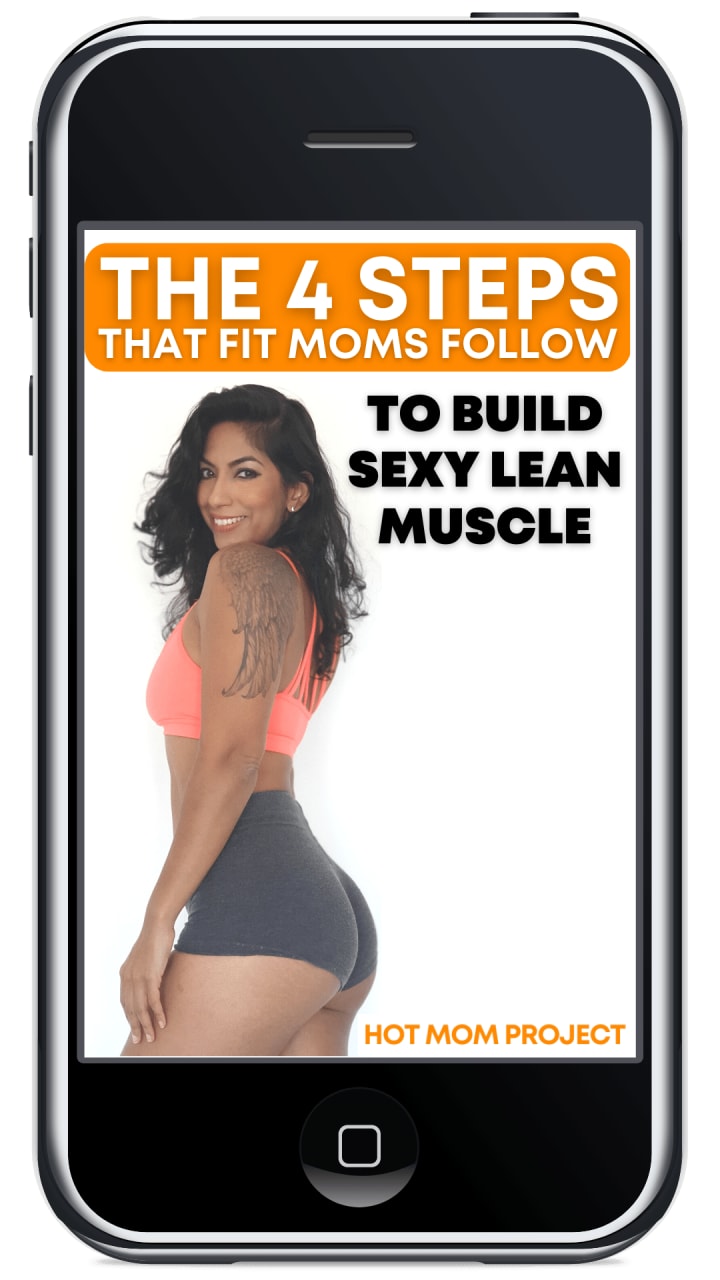
My coaching approach has helped hundreds of REAL women get in shape as each program is carefully tailored to each individual's needs. If you'd like to know more, get my FREE guide here on 4 Steps That Fit Moms Follow to Build Sexy Lean Muscle
About the Creator
Keep reading
More stories from Ramona Fernandez and writers in Longevity and other communities.
How to be Unfit for the Rest of Your Life
Here’s a quick guide on how to be Unfit for the rest of your life Step 1 Step on the weighing scale first thing every morning. Get obsessed over the scale. Get stressed out about the fluctuating numbers. Now let that number determine your worth. Start your day angry.
By Ramona Fernandez3 years ago in Longevity
Day 4 of Quitting
If this is how sobriety feels, maybe it’s better to go through life a little buzzed… this, along with other hits like, I want to kill myself, I wish I was dead, and I’m going to throw myself off a bridge have been the only thoughts on rotation these past few days. I promise myself that if, in a month, I still feel like this (‘this’ meaning despondent, full of rage, and simultaneously numb) I can go back to smoking. Until mid-February though? Nicotine is off the table.
By sleepy drafts14 days ago in Longevity


Comments
There are no comments for this story
Be the first to respond and start the conversation.