
The Controversial Link Between Vaccines and Autism
Unveiling the Truth

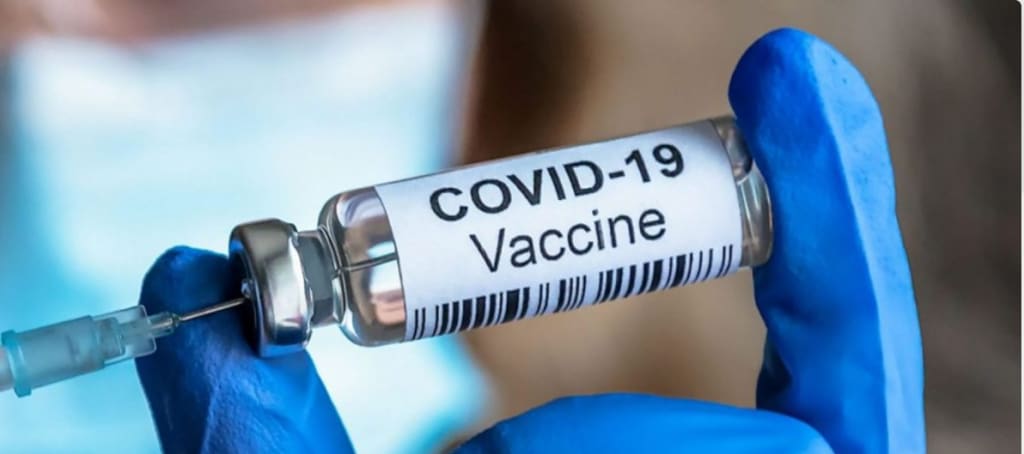
In recent years, the topic of vaccines and their potential link to autism has ignited a fiery debate that shows no signs of waning. Parents, medical professionals, and researchers alike have found themselves embroiled in discussions surrounding this controversial subject. In this article, we will delve into the intriguing world of vaccines and autism, examining the scientific evidence, addressing the concerns of skeptics, and exploring the impact of misinformation on public health. Get ready to uncover the truth behind the heated controversy!
The Initial Controversy: A Question of Cause and Effect
The controversy surrounding vaccines and autism can be traced back to a now-debunked study published in 1998 by Andrew Wakefield. The study claimed a potential link between the measles, mumps, and rubella (MMR) vaccine and the development of autism spectrum disorders (ASD). However, subsequent investigations revealed serious flaws in the study's methodology and undisclosed conflicts of interest, leading to its retraction and the discrediting of Wakefield's claims.
Scientific Consensus: No Causal Relationship Found
Since the Wakefield study, numerous rigorous scientific studies have been conducted to investigate the alleged link between vaccines and autism. The overwhelming consensus within the scientific community is that there is no causal relationship between vaccines and the development of autism. Multiple large-scale studies involving hundreds of thousands of children have consistently found no increased risk of autism associated with vaccination. The scientific evidence strongly supports the safety and efficacy of vaccines in preventing infectious diseases.
Addressing Parental Concerns: The Importance of Vaccine Safety
Despite the scientific consensus, many parents harbor concerns about the safety of vaccines and their potential impact on their children's health. It is crucial to acknowledge and address these concerns with empathy and evidence-based information. Vaccine safety is rigorously monitored through comprehensive testing and ongoing surveillance systems. Adverse events following immunization are rare, and any potential risks are outweighed by the overwhelming benefits of vaccination in preventing diseases that can cause serious harm or even death.
The Dangerous Impact of Misinformation
In the age of social media and online platforms, misinformation spreads like wildfire, amplifying concerns and fueling vaccine hesitancy. Anti-vaccine activists and conspiracy theorists exploit public fears by disseminating misleading information, cherry-picking studies, and promoting anecdotal evidence. The virality of such misinformation has led to a decline in vaccination rates, resulting in outbreaks of vaccine-preventable diseases and jeopardizing public health.
The Wakefield Effect: Lessons Learned
The influence of the discredited Wakefield study continues to linger, highlighting the long-lasting repercussions of misinformation. While Wakefield's study has been thoroughly debunked, the seeds of doubt planted in the public consciousness have proven challenging to uproot. This serves as a stark reminder of the importance of scientific literacy, critical thinking, and responsible journalism in combating the spread of misinformation and protecting public health.
The Broader Implications: Vaccine Hesitancy and Herd Immunity
The impact of vaccine hesitancy extends beyond individual health risks. When vaccination rates decline, herd immunity, the protection of vulnerable populations through widespread vaccination, is compromised. This puts infants, the elderly, and immunocompromised individuals at higher risk of contracting preventable diseases. It is crucial for communities and healthcare providers to work together to address vaccine hesitancy, educate the public, and ensure that accurate information is readily available.
In the controversial realm of vaccines and autism, scientific evidence overwhelmingly supports the safety and efficacy of vaccines while dismissing any causal relationship with autism. However, the persistence of misinformation and vaccine hesitancy poses a significant challenge to public health efforts. As we navigate this complex landscape, it is crucial to prioritize evidence-based information, foster open dialogue, and empower individuals with the knowledge to make informed decisions about vaccination.
About the Creator
Gilbert Mutongoi Ashiku
Like Informative articles on trends and tech? you are at the right place, welcome on board and enjoy my fascinating articles.
Keep reading
More stories from Gilbert Mutongoi Ashiku and writers in Longevity and other communities.
Stress Management and Resilience
In today's fast-paced and demanding world, stress has become an unwelcome companion for many. However, the ability to effectively manage stress and build resilience is the key to maintaining a balanced and fulfilling life. In this article, we will delve into practical strategies and powerful techniques that can help you navigate the challenges of daily life, boost your well-being, and cultivate a resilient mindset. Get ready to unlock the secrets to a stress-free and resilient existence.
By Gilbert Mutongoi Ashiku3 years ago in Longevity
The Invisible Full-Time Job: Living With Chronic Pain While Trying to Keep Life Together
Most people think of a job as something you clock in and out of. A defined place where effort produces results. But when you live with chronic pain, you are working a second job every day—one that no one can see.
By Navigating the Worldabout an hour ago in Longevity
The Politics of Playing Dress-Up
Well, to start off I'd like to say a happy world book day to all who celebrate. I know I haven't really posted anything on my socials about it but I'm not a jubilant kind of person. I lay low most of the time. Let's start off with a popular anecdote from the vaults...
By Annie Kapur6 days ago in Geeks


Comments
There are no comments for this story
Be the first to respond and start the conversation.