
The Connection Between Health and Weight
Being Underweight, Overweight, and Obese (HEALTH RISKS)

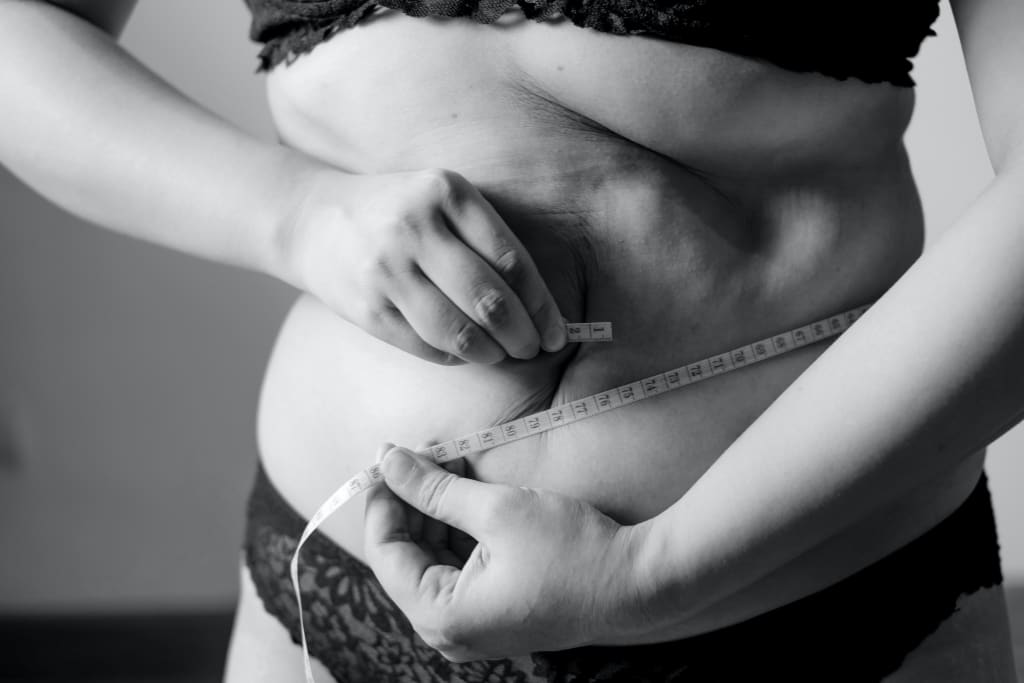
It is not just what you eat, but also how much you eat that determines your risk for obesity, a condition that can lead to other serious health problems.
Being underweight is a sign of an acute or chronic illness, malnutrition, or another medical condition that results in the loss of body fat.
There are different levels of underweight and their potential implications could be serious if left untreated.
Depending on your height and sex, you are considered underweight if your body mass index ( BMI ) is less than 18.5. It means that your weight is lower than what’s normal for people of similar height.
The range from 18.5 to 24.9 is considered a healthy weight range, while 25 and above indicates the overweight or obese range.
Keep reading to learn more about the connection between health and weight: being underweight, overweight, and obese
Being overweight and its health risks

Being overweight is a condition in which a person’s weight is greater than what is considered healthy for their height.
There are different degrees of overweight, with the most severe form being obesity.
The most common health risks associated with being overweight include hypertension (high blood pressure), diabetes, high cholesterol, joint pain, sleep apnea, heart disease, stroke, and certain types of cancers.
When you are overweight, you may notice that you feel more tired than usual, have difficulty concentrating, and experience joint pain.
If you have diabetes, you might also have blurred vision, increased urination, or feel unusual tingling or numbness in your hands or feet.
If you have any of these symptoms, be sure to contact your doctor.
The sooner you are treated, the more likely you are to avoid long-term complications, such as heart disease and diabetes.
Being Underweight and its health risks
Being underweight is a condition in which a person’s weight is lower than what is considered healthy for their height, age, and sex.
It can occur when a person does not consume enough calories to maintain their weight, or if they lose too much body fat.
An underweight person may have problems with their metabolism, urinary tract, bones and muscles, and immune system.
The most common health risks associated with being underweight include osteoporosis (thinning of the bones), anemia, bone fractures, and malnutrition.
Obese and its health risks
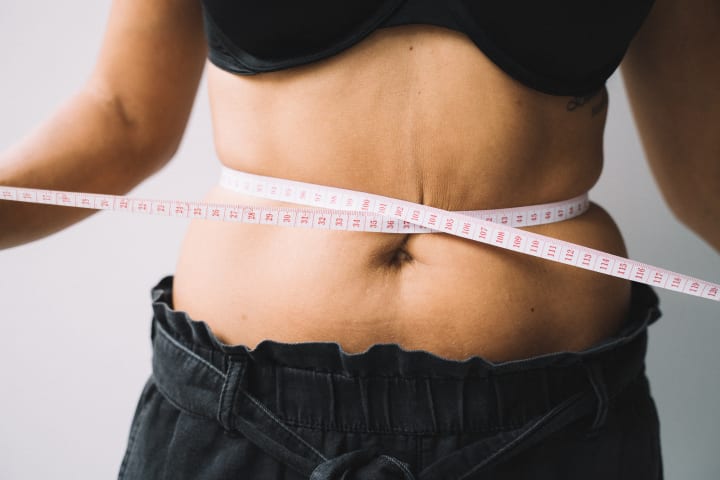
The Centers for Disease Control and Prevention (CDC) defines obesity as having a high amount of body fat, enough to change your body shape and harm your health.
If you are obese, you are at an increased risk of many health problems, including high blood pressure, high cholesterol, diabetes, heart disease, stroke, sleep apnea, and certain types of cancers. Being obese can be especially harmful to your heart and can increase your risk of heart disease and stroke.
It can also increase the risk of developing certain types of cancers, such as breast, colon, and pancreatic cancer.
Obesity can affect your mental health as well, causing problems such as depression and low self-esteem.
The Health Benefits of Maintaining a Healthy Weight

There are many potential health benefits of maintaining a healthy weight.
Eating a balanced diet, getting regular physical activity, and maintaining a healthy weight can reduce the risk of developing heart disease, type 2 diabetes, stroke, and certain types of cancers.
Healthy eating coupled with regular exercise can also help you maintain a healthy weight.
Foods and Supplements That Can Help Tackle the Risks Associated with Being Overweight
- Intermittent Fasting - This is a great way to lose weight. Studies show that people who fast regularly can lose more weight than those who don’t.
You can take this one step further by fasting for 16 hours every day and eating during an 8-hour period.
This simple change can have huge health benefits, including helping you lose weight.
- Weight Training - Lifting weights is one of the best ways to lose weight. When you use weights to build muscle, your body also breaks down fat through a process called “metabolic waste.”
This is one of the best ways to lose weight, as muscles burn more calories than fat does.
- Weight Loss Supplements - There are many weight loss supplements on the market.

Some of the best include Ketosis Advanced, Green Coffee Bean Extract, and Raspberry Ketones.
Foods and Supplements that Can Help if You're Underweight
- Weight Gaining Supplements - If you are underweight, you may want to consider weight-gaining supplements.
The best ones are those that have high protein content, such as whey protein.
- Healthy Gut - Eating foods that are good for your gut flora will also help you gain weight. Great examples of such foods include fish, nuts, seeds, olive oil, and yogurt.
- Healthy Diet - As with those who are overweight, there is no magic pill or supplement that can help you gain weight. The only real way to gain weight is through healthy eating.

- Healthy Snack - Nuts are a great snack to eat when trying to gain weight. Studies show that people who eat nuts regularly are less likely to be underweight.
Difference Between Overweight and obesity
The difference between overweight and obesity is that while they both refer to having a high amount of body fat, obesity is more severe.
Obesity is diagnosed when a person’s body mass index (BMI) is over 30.
BMI is a measure of your weight about your height. It can help you determine if you are overweight, obese, or underweight.
You can calculate your BMI by dividing your weight in pounds by your height in inches squared and multiplying the result by 703.
Adults with a BMI of 30 or more are considered obese. Children with a BMI of 30 or more are considered obese, too.
Bottom Line
Obesity and its health risks are a major problem across the world.
If you are obese, you are at an increased risk of developing many health problems, such as type 2 diabetes, high blood pressure, joint pain, stroke, sleep apnea, heart disease, and certain types of cancers.
Being obese or overweight can also have many other negative health consequences, including low self-esteem and depression.
While there is no “one-size-fits-all” solution to losing weight, there are several healthy strategies you can use to get things moving in the right direction towards a healthier lifestyle.
About the Creator
Deen Coker
I am passionate about helping others get on a path to health. I work with people who are seeking a better quality of life and also those who are in need of healing.
Keep reading
More stories from writers in Longevity and other communities.
Day 4 of Quitting
If this is how sobriety feels, maybe it’s better to go through life a little buzzed… this, along with other hits like, I want to kill myself, I wish I was dead, and I’m going to throw myself off a bridge have been the only thoughts on rotation these past few days. I promise myself that if, in a month, I still feel like this (‘this’ meaning despondent, full of rage, and simultaneously numb) I can go back to smoking. Until mid-February though? Nicotine is off the table.
By sleepy drafts30 days ago in Longevity
Finding Balance in an Unbalanced World
I had a panic attack in the grocery store checkout line. Nothing triggered it. No dramatic event. Just me, standing there with a cart full of organic vegetables and Pinterest-worthy meal prep ingredients, when suddenly I couldn't breathe.
By Fazal Hadi6 days ago in Longevity
Our Song
Evening has given way to night. Gently, I settle next to you on the comfortable, old love seat and reach for your hand. You snatch it away, again. It cuts me to the quick, but I hide the pain, understanding that the reaction is but part of your demented state. Since the accident, your presence here in our cozy home has been clouded by a haze I can't see. Nevertheless, I feel the frigidity of your expressions and it serves as an excruciating reminder of the immeasurable distance between us.
By Dana Crandell2 days ago in Fiction


Comments
There are no comments for this story
Be the first to respond and start the conversation.