
The Cholesterol Solution
A COMPREHENSIVE GUIDE TO LOWERING YOUR CHOLESTEROL AND IMPROVING YOUR HEART HEALTH
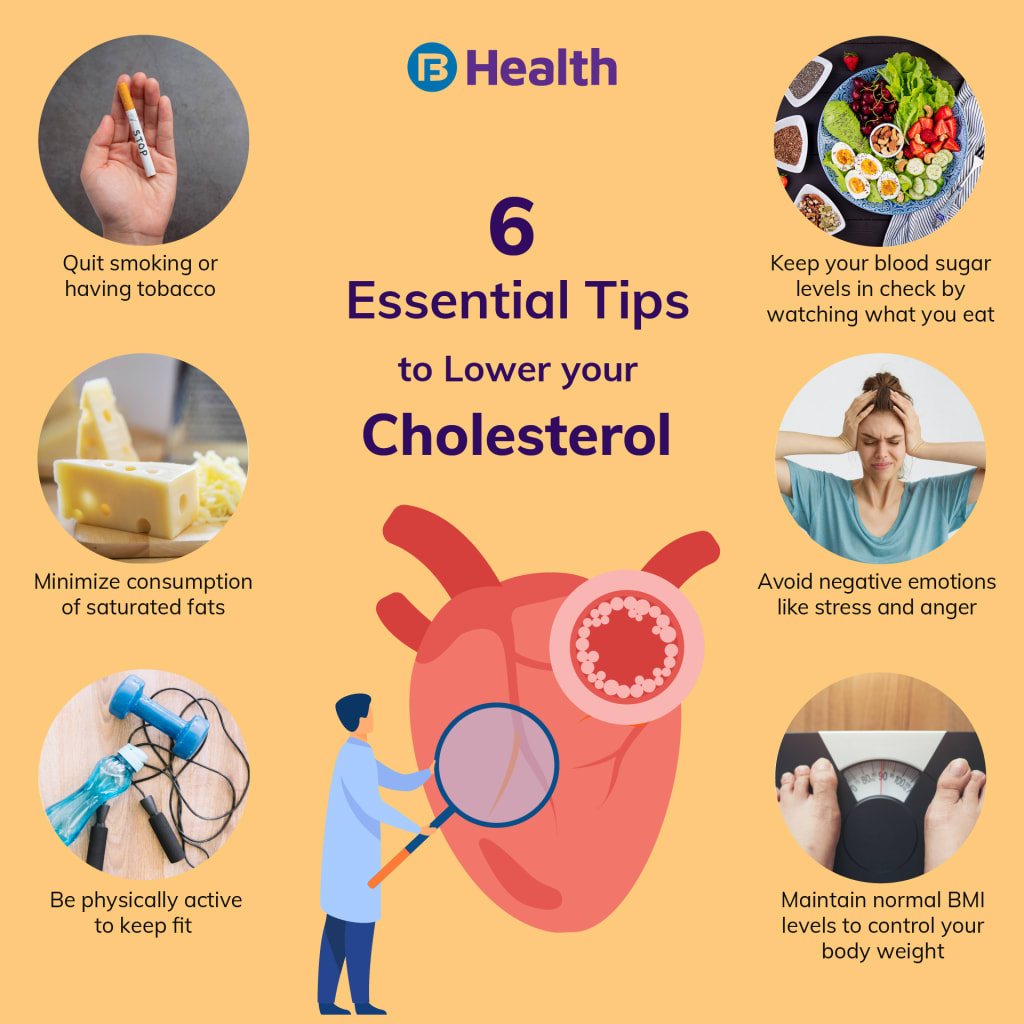
A COMPREHENSIVE GUIDE TO LOWERING YOUR CHOLESTEROL AND IMPROVING YOUR HEART HEALTH
Introduction: What is Cholesterol and why does it Matter?
Cholesterol is a waxy, fat-like substance that is found in every cell of the body. It is essential for many bodily functions, including the production of hormones, vitamin D, and bile acids, which help with the digestion of fats. While the body needs some cholesterol to function correctly, too much cholesterol can be harmful and increase the risk of heart disease and stroke.
Cholesterol is transported throughout the body by lipoproteins, which are made up of protein and fat. There are two main types of lipoproteins: low-density lipoproteins (LDL) and high-density lipoproteins (HDL). LDL is often referred to as "bad" cholesterol because it can build up in the walls of arteries, leading to atherosclerosis, a condition in which the arteries become narrowed and hardened. HDL, on the other hand, is often referred to as "good" cholesterol because it helps remove excess cholesterol from the bloodstream and carries it to the liver for processing and elimination.
When there is too much LDL in the bloodstream, it can begin to accumulate in the walls of the arteries, forming a plaque. Over time, this plaque can cause the arteries to become narrow and stiff, reducing blood flow to the heart and brain. If a plaque ruptures, it can lead to a blood clot, which can block blood flow to the heart or brain, causing a heart attack or stroke.
High cholesterol levels are a significant risk factor for heart disease and stroke. According to the Centers for Disease Control and Prevention (CDC), heart disease is the leading cause of death in the United States, and high cholesterol is a major contributor to the disease.
Managing cholesterol levels is essential for good heart health. This can be done through lifestyle changes, such as a healthy diet and regular exercise, as well as medication, if necessary. By understanding what cholesterol is and why it matters, individuals can take steps to manage their cholesterol levels and reduce their risk of heart disease and stroke.
The Role of Cholesterol in the Body
Cholesterol is an essential component of cell membranes and is involved in several vital bodily functions. Here are some of the roles cholesterol plays in the body:
1. Building and maintaining cell membranes: Cholesterol is a crucial component of cell membranes. It helps to maintain the structural integrity of cell membranes and makes them more resistant to damage.
2. Producing hormones: Cholesterol is necessary for the production of several hormones, including testosterone, estrogen, and progesterone. These hormones play essential roles in reproduction, growth, and development.
3. Synthesizing vitamin D: Cholesterol is also necessary for the synthesis of vitamin D, which is important for maintaining healthy bones and teeth.
4. Producing bile acids: Bile acids are essential for the digestion and absorption of fats. Cholesterol is necessary for the production of bile acids in the liver.
5. Acting as an antioxidant: Cholesterol can also act as an antioxidant, helping to protect cells from damage caused by free radicals.
While cholesterol is critical for these functions, the body only needs a small amount of cholesterol to carry them out. The liver can produce all the cholesterol the body needs, but it can also obtain cholesterol from the foods we eat. However, a diet high in cholesterol and saturated and trans fats can lead to high levels of LDL or "bad" cholesterol in the blood, which can increase the risk of heart disease and stroke.
It's important to note that not all cholesterol is bad. HDL or "good" cholesterol helps to remove excess cholesterol from the bloodstream and carries it to the liver for processing and elimination. Maintaining healthy levels of both LDL and HDL cholesterol is crucial for good heart health.
Types of Cholesterol: LDL, HDL, and Triglycerides
Cholesterol is a waxy, fat-like substance that is essential for the body's normal functioning. It is transported throughout the body in the form of lipoproteins, which are made up of protein and fat. There are three main types of lipoproteins that transport cholesterol in the blood: low-density lipoproteins (LDL), high-density lipoproteins (HDL), and triglycerides. Understanding the role of each type of cholesterol can help individuals manage their cholesterol levels and reduce the risk of heart disease and stroke.
1. LDL Cholesterol
LDL cholesterol is often referred to as "bad" cholesterol because it can build up in the walls of arteries, leading to atherosclerosis, a condition in which the arteries become narrowed and hardened. Over time, this can lead to a higher risk of heart disease and stroke. LDL cholesterol is produced in the liver and transported to other parts of the body where it is needed.
2. HDL Cholesterol
HDL cholesterol is often referred to as "good" cholesterol because it helps remove excess cholesterol from the bloodstream and carries it to the liver for processing and elimination. High levels of HDL cholesterol are associated with a lower risk of heart disease. HDL cholesterol is produced in the liver and small intestine and transported to other parts of the body where it is needed.
3. Triglycerides
Triglycerides are a type of fat that is transported in the blood and stored in fat cells. High levels of triglycerides are associated with an increased risk of heart disease, particularly when combined with high levels of LDL cholesterol. Triglycerides are produced in the liver and small intestine from the fats we eat and are transported to fat cells for storage.
While it's important to monitor all three types of cholesterol, managing LDL cholesterol levels is particularly important for reducing the risk of heart disease and stroke. A healthy lifestyle, including regular exercise and a diet low in saturated and trans fats, can help keep LDL cholesterol levels in check. Additionally, medications such as statins can be used to lower LDL cholesterol levels in individuals at high risk of heart disease.
In contrast, increasing levels of HDL cholesterol through exercise and a healthy diet can help reduce the risk of heart disease. Reducing levels of triglycerides through weight loss, a low-carbohydrate diet, and regular exercise can also be beneficial.
In summary, understanding the different types of cholesterol and their role in the body is crucial for maintaining good heart health. By monitoring and managing LDL cholesterol, increasing HDL cholesterol, and reducing triglycerides, individuals can reduce their risk of heart disease and stroke.
How Cholesterol Levels are Measured and Interpreted
Monitoring cholesterol levels is an important aspect of maintaining heart health. High levels of LDL cholesterol and triglycerides and low levels of HDL cholesterol can increase the risk of heart disease and stroke. In this chapter, we will discuss how cholesterol levels are measured and interpreted.
1. Lipid Panel Test
The most common test used to measure cholesterol levels is the lipid panel test. This blood test measures the levels of total cholesterol, LDL cholesterol, HDL cholesterol, and triglycerides. The test is usually done after a period of fasting to ensure accuracy.
2. Total Cholesterol
Total cholesterol is the sum of LDL cholesterol, HDL cholesterol, and other types of cholesterol in the blood. A total cholesterol level below 200 mg/dL is considered desirable, while levels between 200 and 239 mg/dL are considered borderline high. Levels above 240 mg/dL are considered high.
3. LDL Cholesterol
LDL cholesterol is often referred to as "bad" cholesterol because it can build up in the walls of arteries, leading to atherosclerosis. A LDL cholesterol level below 100 mg/dL is considered optimal, while levels between 100 and 129 mg/dL are considered near optimal. Levels between 130 and 159 mg/dL are considered borderline high, and levels above 160 mg/dL are considered high.
4. HDL Cholesterol
HDL cholesterol is often referred to as "good" cholesterol because it helps remove excess cholesterol from the bloodstream. An HDL cholesterol level below 40 mg/dL is considered low, while levels above 60 mg/dL are considered high.
5. Triglycerides
Triglycerides are a type of fat that is transported in the blood and stored in fat cells. A triglyceride level below 150 mg/dL is considered normal, while levels between 150 and 199 mg/dL are considered borderline high. Levels above 200 mg/dL are considered high.
6. Interpreting Cholesterol Levels
Cholesterol levels are interpreted based on the individual's overall risk of heart disease and stroke. Factors that increase the risk include age, gender, family history, smoking, high blood pressure, diabetes, and obesity.
For individuals at low risk, a total cholesterol level below 200 mg/dL, LDL cholesterol level below 130 mg/dL, HDL cholesterol level above 40 mg/dL, and triglyceride level below 150 mg/dL are desirable.
For individuals at high risk, lower cholesterol levels may be recommended. This may involve lifestyle changes, such as a healthy diet and regular exercise, and medication, such as statins, to lower LDL cholesterol levels.
In conclusion, measuring and interpreting cholesterol levels is important for maintaining heart health. A lipid panel test can provide information on total cholesterol, LDL cholesterol, HDL cholesterol, and triglyceride levels. Interpreting cholesterol levels involves assessing the individual's overall risk of heart disease and stroke and may involve lifestyle changes and medication.
What Causes High Cholesterol Levels?
High cholesterol levels are a common health concern that can increase the risk of heart disease and stroke. In this chapter, we will discuss the various factors that can cause high cholesterol levels.
1. Genetics
Genetics plays a significant role in cholesterol levels. Familial hypercholesterolemia is a genetic disorder that causes very high levels of LDL cholesterol, which can lead to early heart disease. Inherited genes can also affect how the liver removes LDL cholesterol from the blood, leading to high cholesterol levels.
2. Unhealthy Diet
A diet high in saturated and trans fats can increase cholesterol levels. Saturated fats are found in animal products such as meat, butter, and cheese, while trans fats are found in processed foods such as baked goods and fried foods. These fats can raise LDL cholesterol levels and lower HDL cholesterol levels.
3. Lack of Physical Activity
Physical activity can help increase HDL cholesterol levels and decrease LDL cholesterol levels. A sedentary lifestyle can lead to weight gain, which can also raise cholesterol levels.
4. Obesity
Obesity is a risk factor for high cholesterol levels. Excess body fat can increase LDL cholesterol levels and decrease HDL cholesterol levels. Losing weight can help improve cholesterol levels.
5. Smoking
Smoking can raise LDL cholesterol levels and lower HDL cholesterol levels. It can also damage the walls of arteries, leading to atherosclerosis and heart disease.
6. Age and Gender
Cholesterol levels tend to increase with age, particularly in women after menopause. Women have lower cholesterol levels than men until menopause, after which their levels become similar.
7. Certain Medical Conditions
Certain medical conditions can raise cholesterol levels, such as diabetes, kidney disease, liver disease, and hypothyroidism. These conditions can affect how the body produces and removes cholesterol from the blood.
8. Medications
Certain medications, such as diuretics, beta-blockers, and steroids, can raise cholesterol levels. It is important to discuss the potential side effects of medications with a healthcare provider.
In conclusion, high cholesterol levels can be caused by a combination of factors, including genetics, an unhealthy diet, lack of physical activity, obesity, smoking, age and gender, certain medical conditions, and medications. Understanding the causes of high cholesterol levels can help individuals take steps to manage their cholesterol levels and reduce their risk of heart disease and stroke.
The Link Between Cholesterol and Heart Disease
Cholesterol plays a crucial role in the development of heart disease. In this chapter, we will explore the link between cholesterol and heart disease.
Cholesterol and Atherosclerosis
Atherosclerosis is the buildup of plaque in the walls of arteries. This plaque is made up of cholesterol, fat, calcium, and other substances. Over time, the buildup of plaque can narrow and harden the arteries, leading to a condition called coronary artery disease (CAD).
Cholesterol and LDL
Low-density lipoprotein (LDL) cholesterol, also known as "bad" cholesterol, is the primary form of cholesterol that contributes to the buildup of plaque in arteries. High levels of LDL cholesterol can increase the risk of developing CAD.
When LDL cholesterol levels are high, it can enter the walls of arteries and accumulate in the form of plaque. As the plaque builds up, the artery walls become narrowed and hardened, reducing blood flow to the heart muscle.
Cholesterol and HDL
High-density lipoprotein (HDL) cholesterol, also known as "good" cholesterol, plays a protective role in heart health. HDL cholesterol can help remove excess LDL cholesterol from the blood and transport it to the liver for elimination from the body.
When HDL cholesterol levels are low, there may be an increased risk of developing CAD. Conversely, higher levels of HDL cholesterol may have a protective effect on the heart.
Cholesterol and Triglycerides
Triglycerides are a type of fat found in the blood that can also contribute to the development of CAD. High levels of triglycerides can lead to the formation of plaque in arteries.
Cholesterol and Heart Disease Risk Factors
In addition to cholesterol levels, there are other factors that can increase the risk of developing heart disease. These include smoking, high blood pressure, diabetes, obesity, physical inactivity, and a family history of heart disease.
Managing Cholesterol to Reduce Heart Disease Risk
Managing cholesterol levels is an essential part of reducing the risk of heart disease. This can be achieved through a combination of lifestyle changes and medications.
Lifestyle changes may include adopting a heart-healthy diet, engaging in regular physical activity, quitting smoking, and maintaining a healthy weight. Medications may include statins, which are drugs that can help lower LDL cholesterol levels.
In conclusion, high levels of LDL cholesterol, low levels of HDL cholesterol, and high levels of triglycerides are all associated with an increased risk of heart disease. Understanding the link between cholesterol and heart disease can help individuals take steps to manage their cholesterol levels and reduce their risk of developing CAD.
Lifestyle Changes for Lowering Cholesterol: Diet and Exercise
Making lifestyle changes can help manage cholesterol levels and reduce the risk of heart disease. In this chapter, we will explore the role of diet and exercise in lowering cholesterol.
Dietary Changes for Lowering Cholesterol
A heart-healthy diet can help manage cholesterol levels and reduce the risk of heart disease. The following dietary changes may be helpful:
1. Increase fiber intake: Foods high in fiber can help lower LDL cholesterol levels. Examples include fruits, vegetables, whole grains, beans, and lentils.
2. Choose heart-healthy fats: Saturated and trans fats can increase LDL cholesterol levels. Choosing unsaturated fats, such as those found in nuts, seeds, and fish, can help lower cholesterol levels.
3. Limit dietary cholesterol: Foods high in cholesterol, such as egg yolks and organ meats, can contribute to high cholesterol levels. Limiting intake of these foods may be helpful.
4. Incorporate plant sterols and stanols: Plant sterols and stanols can help lower cholesterol levels. They are found in fortified foods such as margarine, orange juice, and yogurt.
5. Reduce salt intake: High sodium intake can contribute to high blood pressure, which is a risk factor for heart disease. Limiting salt intake may be beneficial.
Exercise for Lowering Cholesterol
Exercise can also help manage cholesterol levels and reduce the risk of heart disease. The following exercise guidelines may be helpful:
1. Engage in aerobic exercise: Aerobic exercise, such as brisk walking, running, or cycling, can help lower LDL cholesterol levels.
2. Aim for at least 150 minutes of moderate-intensity exercise per week: The American Heart Association recommends at least 150 minutes of moderate-intensity exercise per week.
3. High-Intensity Interval Training (HIIT): HIIT workouts involve short bursts of high-intensity exercise, such as sprints or jump squats, followed by periods of rest or lower-intensity exercise. This type of workout can help improve cardiovascular health and burn calories.
4. Incorporate strength training: Strength training can help build muscle and increase metabolism, which may help manage cholesterol levels.
5. Stay active throughout the day: In addition to structured exercise, staying active throughout the day by taking breaks from sitting and incorporating physical activity into daily routines can also be beneficial.
6. Consult with a healthcare professional: It's important to consult with a healthcare professional before starting an exercise program, especially if there are any underlying medical conditions.
In conclusion, making lifestyle changes, such as following a heart-healthy diet and engaging in regular exercise, can help manage cholesterol levels and reduce the risk of heart disease. It's important to work with a healthcare professional to develop an individualized plan that meets specific needs and goals.
Medications for Lowering Cholesterol: Statins and Beyond
For some people, lifestyle changes alone may not be enough to manage cholesterol levels. In such cases, medication may be necessary to reduce the risk of heart disease. In this chapter, we will explore the different medications available for lowering cholesterol levels, including statins and other options.
Statins
Statins are a class of medications that work by inhibiting an enzyme in the liver that produces cholesterol. They are considered the first-line treatment for high cholesterol levels and are effective in reducing LDL cholesterol levels. Some common statins include atorvastatin, simvastatin, and rosuvastatin.
Statins are generally well-tolerated, but they can have side effects, including muscle pain and weakness, liver damage, and an increased risk of developing type 2 diabetes. However, the benefits of statins in reducing the risk of heart disease often outweigh the risks.
Other Cholesterol-Lowering Medications
In addition to statins, there are other medications available for lowering cholesterol levels. These include:
1. Bile acid sequestrants: These medications work by binding to bile acids in the intestine, which reduces cholesterol absorption. Examples include cholestyramine and colestipol.
2. Ezetimibe: This medication works by inhibiting cholesterol absorption in the small intestine.
3. PCSK9 inhibitors: These medications work by inhibiting the PCSK9 protein, which plays a role in cholesterol metabolism. Examples include alirocumab and evolocumab.
4. Fibrates: These medications work by reducing triglyceride levels and increasing HDL cholesterol levels. Examples include gemfibrozil and fenofibrate.
5. Niacin: This medication works by reducing LDL cholesterol levels and increasing HDL cholesterol levels. However, it can have side effects, including flushing and liver damage.
It's important to note that medication should not replace lifestyle changes. A combination of medication and lifestyle changes may be necessary for some people to manage cholesterol levels and reduce the risk of heart disease.
Consulting with a healthcare professional is important to determine the best treatment options for managing cholesterol levels. They can help develop an individualized plan that takes into account specific needs and goals, as well as any underlying medical conditions.
Natural Remedies and Supplements for Lowering Cholesterol
In addition to lifestyle changes and medications, some people may turn to natural remedies and supplements to help manage cholesterol levels. While there is some evidence to support the use of certain natural remedies and supplements for cholesterol management, it's important to note that these should not be used as a replacement for medical treatment.
Here are some natural remedies and supplements that may help lower cholesterol levels:
1. Plant Sterols and Stanols: These substances, found naturally in fruits, vegetables, and nuts, can help block the absorption of cholesterol in the intestines. They are also available in supplement form, such as in margarine spreads or capsules.
2. Fiber: Soluble fiber, found in fruits, vegetables, and whole grains, can help reduce LDL cholesterol levels.
3. Omega-3 Fatty Acids: These healthy fats, found in fatty fish such as salmon, can help reduce triglyceride levels and may also help reduce inflammation in the body.
4. Garlic: Some studies have shown that garlic may help lower cholesterol levels, although the evidence is mixed.
5. Green Tea: The antioxidants in green tea may help lower LDL cholesterol levels and reduce the risk of heart disease.
6. Coenzyme Q10: This supplement may help reduce muscle pain associated with statin use, although its effects on cholesterol levels are not well-established.
It's important to note that natural remedies and supplements are not regulated by the FDA in the same way as prescription medications. This means that their quality, purity, and safety may not be guaranteed.
Additionally, some supplements may interact with prescription medications or have potential side effects. It's important to talk to a healthcare professional before starting any new natural remedy or supplement.
In summary, while natural remedies and supplements may have some cholesterol-lowering benefits, they should not be used as a replacement for medical treatment. A combination of lifestyle changes, medication, and natural remedies may be necessary for some individuals to manage their cholesterol levels and reduce the risk of heart disease.
Cholesterol and Genetics: Familial Hypercholesterolemia and Other Inherited Conditions
While lifestyle factors and diet play a major role in cholesterol levels, genetics can also contribute to high cholesterol. Inherited conditions that affect cholesterol levels can lead to significantly elevated LDL cholesterol levels, even in individuals who maintain a healthy lifestyle.
Familial Hypercholesterolemia (FH) is one such condition. It is a genetic disorder that affects approximately 1 in 250 people and is characterized by high levels of LDL cholesterol. Individuals with FH have a genetic mutation that affects the way the body removes LDL cholesterol from the bloodstream, leading to a buildup of cholesterol in the arteries.
FH is typically inherited in an autosomal dominant manner, which means that if one parent carries the FH gene, there is a 50% chance that their child will also inherit the gene and develop FH. Individuals with FH have an increased risk of heart disease, even at a young age, and may require aggressive cholesterol-lowering therapies.
In addition to FH, there are other inherited conditions that can lead to high cholesterol levels, including:
1. Sitosterolemia: This rare genetic disorder affects the way the body absorbs and eliminates cholesterol and plant sterols, leading to high levels of both.
2. PCSK9 Deficiency: This genetic condition affects the way the body removes LDL cholesterol from the bloodstream, leading to elevated levels of LDL cholesterol.
3. ApoB Deficiency: This genetic condition affects the production of ApoB, a protein that helps transport LDL cholesterol in the blood. Individuals with ApoB deficiency have low levels of LDL cholesterol and a reduced risk of heart disease.
4. Tangier Disease: This rare genetic disorder affects the transport of cholesterol in the body, leading to low levels of HDL cholesterol and high levels of triglycerides.
If you have a family history of high cholesterol or have been diagnosed with an inherited condition that affects cholesterol levels, it's important to work closely with your healthcare provider to manage your cholesterol levels and reduce the risk of heart disease.
Cholesterol and Other Health Conditions: Diabetes, Hypertension, and more
High cholesterol levels can increase the risk of developing various health conditions. In addition to heart disease, high cholesterol levels are also associated with other health conditions, such as diabetes, hypertension, and stroke.
Diabetes and Cholesterol
Diabetes is a condition characterized by high levels of blood glucose (sugar) due to the body's inability to produce or use insulin effectively. Individuals with diabetes are at an increased risk of developing high cholesterol levels, particularly high levels of triglycerides and low levels of HDL cholesterol.
Diabetes and high cholesterol can be a dangerous combination, as it can lead to an increased risk of heart disease and other complications. To manage cholesterol levels in individuals with diabetes, healthcare providers may recommend a combination of lifestyle changes, such as a healthy diet and regular exercise, and cholesterol-lowering medications.
Hypertension and Cholesterol
Hypertension, also known as high blood pressure, is a condition characterized by elevated blood pressure levels in the arteries. High cholesterol levels can contribute to the development of hypertension by promoting the buildup of plaque in the arteries, which can narrow and stiffen them, increasing blood pressure.
Managing cholesterol levels is an important aspect of managing hypertension. Lifestyle changes, such as a healthy diet and regular exercise, can help to lower cholesterol levels and reduce the risk of complications associated with hypertension.
Other Health Conditions and Cholesterol
High cholesterol levels have also been associated with other health conditions, including stroke, peripheral artery disease, and kidney disease. In individuals with these conditions, managing cholesterol levels is important for reducing the risk of complications and improving overall health outcomes.
In addition to lifestyle changes, healthcare providers may also recommend cholesterol-lowering medications, such as statins, to manage cholesterol levels in individuals with other health conditions.
Conclusion
High cholesterol levels can increase the risk of developing various health conditions, including heart disease, diabetes, hypertension, stroke, and more. Managing cholesterol levels is an important aspect of overall health and can be achieved through a combination of lifestyle changes and cholesterol-lowering medications. Working closely with a healthcare provider can help individuals with high cholesterol levels manage their condition and reduce the risk of complications.
Cholesterol and Children: Screening and Management
High cholesterol levels are not only a concern for adults but can also affect children. Children with high cholesterol levels are at an increased risk of developing heart disease later in life. Therefore, it is important to screen children for high cholesterol levels and manage them appropriately.
Screening for High Cholesterol in Children
The American Academy of Pediatrics (AAP) recommends that all children between the ages of 9 and 11 be screened for high cholesterol levels. Children who have a family history of high cholesterol, early heart disease, or other risk factors may need to be screened earlier.
Screening for high cholesterol levels in children typically involves a blood test called a lipid panel. This test measures the levels of various types of cholesterol, including LDL, HDL, and triglycerides.
Managing High Cholesterol in Children
If a child is found to have high cholesterol levels, healthcare providers may recommend a combination of lifestyle changes and medications to manage their cholesterol levels.
Lifestyle Changes
Lifestyle changes can be effective in lowering cholesterol levels in children. These may include:
1. Healthy Diet: Encouraging a healthy diet that is low in saturated and trans fats and rich in fruits, vegetables, and whole grains.
2. Regular Exercise: Encouraging regular physical activity to help improve cholesterol levels and overall health.
3. Weight Management: Encouraging weight management through healthy eating and physical activity.
Medications
In some cases, healthcare providers may recommend medications, such as statins, to manage high cholesterol levels in children. However, medications are typically used only if lifestyle changes are not effective in managing cholesterol levels.
Conclusion
High cholesterol levels can affect children and increase the risk of developing heart disease later in life. Screening for high cholesterol levels in children is important, and managing cholesterol levels through lifestyle changes and medications can help reduce the risk of complications. Working closely with a healthcare provider can help parents and caregivers ensure that their child's cholesterol levels are managed appropriately.
Living with High Cholesterol: Coping Strategies and Support
Living with high cholesterol can be challenging, as it requires making significant lifestyle changes and often taking medications to manage cholesterol levels. However, there are coping strategies and support available to help individuals manage their condition and improve their overall quality of life.
Coping Strategies
1. Education: Education is key in understanding high cholesterol and its management. Individuals can learn about cholesterol, the importance of managing it, and strategies for doing so through reputable sources such as healthcare providers, books, and online resources.
2. Lifestyle Changes: Making lifestyle changes can help manage cholesterol levels and reduce the risk of complications. Individuals can work with a healthcare provider to develop a personalized plan that includes a healthy diet, regular physical activity, and weight management.
3. Medication Adherence: Taking medications as prescribed by a healthcare provider is important in managing cholesterol levels. Individuals should make sure to take their medication as directed and talk to their healthcare provider if they have concerns or experience side effects.
4. Stress Management: Stress can affect cholesterol levels, so managing stress is an important aspect of managing high cholesterol. Strategies such as mindfulness meditation, yoga, and exercise can be effective in reducing stress levels.
5. Support System: Building a support system of family, friends, and healthcare providers can provide encouragement and motivation to manage high cholesterol levels. Joining support groups or online communities can also provide valuable information and support.
Support
1. Healthcare Provider: A healthcare provider can provide guidance and support in managing high cholesterol levels. Regular appointments with a healthcare provider can help track progress and adjust treatment plans as needed.
2. Registered Dietitian: A registered dietitian can provide personalized nutrition counseling and help develop a healthy diet plan to manage cholesterol levels.
3. Mental Health Provider: Living with high cholesterol can be stressful, and seeking support from a mental health provider can be helpful in managing stress and improving overall well-being.
4. Support Groups: Joining a support group of individuals with high cholesterol can provide encouragement, support, and valuable information. Many organizations such as the American Heart Association offer support groups for individuals with high cholesterol.
Conclusion
Living with high cholesterol requires making significant lifestyle changes and often taking medications to manage cholesterol levels. However, with the right coping strategies and support, individuals can manage their condition and improve their overall quality of life. Education, lifestyle changes, medication adherence, stress management, and building a support system are all important aspects of managing high cholesterol. Working closely with healthcare providers and seeking support from registered dietitians, mental health providers, and support groups can also provide valuable guidance and encouragement.
If you have found some useful information then please Donate
About the Creator
Keep reading
More stories from Phil Overton and writers in Longevity and other communities.
Body Temperature and Weight loss
Body temperature is the measure of the internal heat generated by the body’s metabolism. The body temperature is regulated by the hypothalamus, which is a part of the brain that receives information from various receptors in the body and makes adjustments to maintain a constant core temperature. The normal body temperature range is between 36.5°C and 37.5°C, and any significant deviation from this range can indicate an underlying health problem.
By Phil Overton3 years ago in Longevity
Day 4 of Quitting
If this is how sobriety feels, maybe it’s better to go through life a little buzzed… this, along with other hits like, I want to kill myself, I wish I was dead, and I’m going to throw myself off a bridge have been the only thoughts on rotation these past few days. I promise myself that if, in a month, I still feel like this (‘this’ meaning despondent, full of rage, and simultaneously numb) I can go back to smoking. Until mid-February though? Nicotine is off the table.
By sleepy drafts10 days ago in Longevity
Global Nepheline Market Size and Forecast 2025–2033
Introduction The global nepheline market is steadily gaining attention as industries seek more efficient, sustainable, and cost-effective raw materials. According to Renub Research, the global nepheline market is expected to grow from US$ 179.25 million in 2024 to US$ 230.63 million by 2033, registering a compound annual growth rate (CAGR) of 2.84% from 2025 to 2033. This growth reflects the increasing use of nepheline in glass, ceramics, and refractory applications, as well as a broader industrial shift toward energy-efficient and environmentally responsible production processes.
By Aaina Oberoi6 days ago in Longevity
How to Succeed at the Benson Directory®
Congratulations and welcome to the Benson Directory® employee #22391! As our newest call handler, you will have the privilege of speaking with dozens of unique and interesting people on a daily basis as well as the opportunity to earn bonuses for high performance. Contained within this handbook you will find a set of ease to follow instructions designed to help you settle in to your new role and begin paving the way to success.
By S. A. Crawfordabout 17 hours ago in Fiction



Comments
There are no comments for this story
Be the first to respond and start the conversation.