
The Art of Mindfulness: Cultivating Inner Peace and Resilience
Exploring the Ancient Practice of Mindfulness and Its Modern Applications
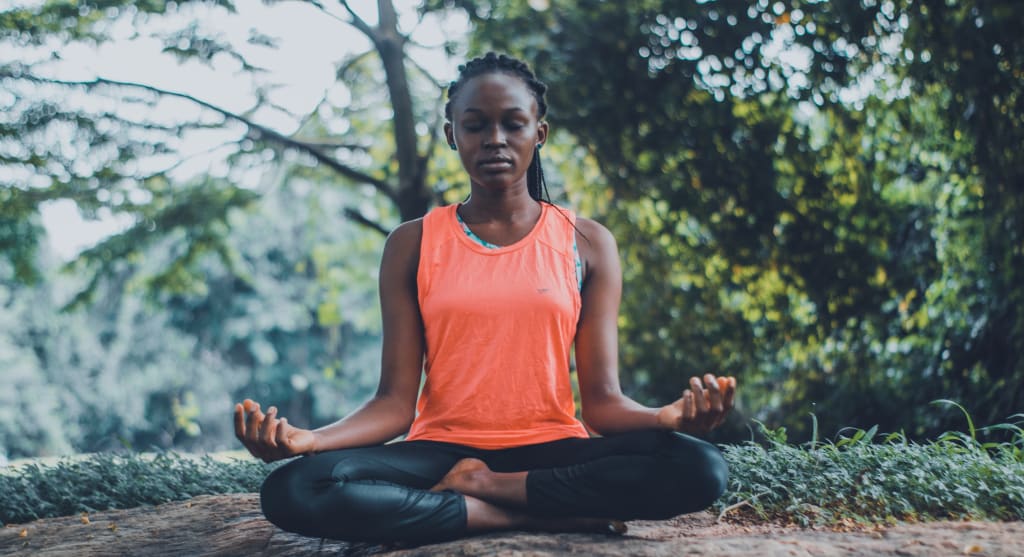
In today's fast-paced and technology-driven world, the art of mindfulness offers a much-needed sanctuary for the mind. Rooted in ancient contemplative traditions, mindfulness has gained widespread popularity in recent years, becoming a valuable tool for reducing stress, improving mental well-being, and enhancing overall resilience. In this article, we delve into the profound practice of mindfulness, its origins, and its modern applications as a powerful technique for cultivating inner peace and thriving in the face of life's challenges.
I. Understanding Mindfulness: An Age-Old Practice
A. Historical Roots
Mindfulness traces its origins back to ancient Eastern philosophies and religious traditions, including Buddhism and Taoism. Over 2,500 years ago, the Buddha introduced the concept of mindfulness as an essential element of his teachings. However, mindfulness is not limited to any specific belief system, and its essence transcends cultural and religious boundaries.
B. The Present Moment Awareness
At its core, mindfulness involves paying deliberate attention to the present moment without judgment. It encourages individuals to become fully engaged in their experiences, thoughts, and emotions as they unfold, rather than dwelling on the past or anticipating the future.
II. Practicing Mindfulness: Techniques and Exercises
A. Mindful Breathing
One of the foundational practices of mindfulness is mindful breathing. By focusing on the rhythm of breath, individuals can ground themselves in the present moment and cultivate a sense of calm and relaxation.
B. Body Scan Meditation
Body scan meditation involves systematically bringing awareness to different parts of the body, noticing any sensations or tensions without judgment. This practice fosters a deeper connection with one's physical self and promotes relaxation.
C. Mindful Eating
Mindful eating encourages individuals to savor and fully experience each bite of food. By eating slowly and mindfully, one can develop a healthier relationship with food and improve digestion.
D. Walking Meditation
Walking meditation is a practice of mindful movement. It involves paying close attention to each step, the sensation of the feet touching the ground, and the surrounding environment. Walking meditation can be done indoors or outdoors and provides an opportunity to connect with nature and the world around us.
III. The Science of Mindfulness: Benefits for the Mind and Body
A. Reducing Stress and Anxiety
Numerous studies have shown that mindfulness practices can significantly reduce stress and anxiety levels. By focusing on the present moment, individuals can break free from the cycle of worry and rumination, leading to a calmer and more centered state of mind.
B. Improving Emotional Regulation
Mindfulness enhances emotional intelligence and improves the ability to regulate emotions. By becoming more aware of their feelings, individuals can respond to challenging situations with greater composure and empathy.
C. Enhancing Cognitive Function
Regular mindfulness practice has been linked to improvements in attention, concentration, and memory. These cognitive enhancements can positively impact daily tasks, work performance, and academic achievements.
D. Boosting Resilience and Mental Health
Mindfulness fosters resilience by promoting a non-reactive and accepting approach to life's ups and downs. This mental fortitude enables individuals to bounce back from adversity and cope with stressors more effectively.
IV. Mindfulness in Modern Society
A. Mindfulness-Based Stress Reduction (MBSR)
In the 1970s, Dr. Jon Kabat-Zinn developed the Mindfulness-Based Stress Reduction (MBSR) program. MBSR integrates mindfulness practices into a structured program designed to help individuals manage stress, chronic pain, and various health conditions.
B. Mindfulness-Based Cognitive Therapy (MBCT)
MBCT is a therapeutic approach that combines cognitive behavioral therapy with mindfulness practices. It has proven effective in preventing relapse for individuals who have experienced depression and other mood disorders.
C. Workplace Mindfulness Programs
Recognizing the benefits of mindfulness in promoting employee well-being and productivity, many workplaces have adopted mindfulness programs. These initiatives aim to reduce workplace stress, enhance focus, and improve overall job satisfaction.
V. Embracing Mindfulness: Cultivating a Meaningful Practice
A. Start Small and Be Consistent
Incorporating mindfulness into daily life does not require a significant time commitment. Starting with just a few minutes of practice each day can yield noticeable benefits. Consistency is key to developing a meaningful mindfulness practice.
B. Create Mindful Moments
Mindfulness can be integrated into daily activities, such as eating, walking, or even doing household chores. By being fully present during these moments, individuals can transform routine tasks into opportunities for mindfulness.
C. Embrace Imperfection and Non-Judgment
Mindfulness is not about achieving perfection or forcing oneself to feel a certain way. It is about cultivating acceptance and non-judgment towards one's experiences, thoughts, and emotions.
Conclusion
The art of mindfulness offers a sanctuary of peace and resilience in a world that often feels overwhelming. By drawing on ancient wisdom and scientific insights, mindfulness has evolved from a contemplative practice to a widely embraced tool for improving mental well-being and enhancing overall quality of life. Embracing mindfulness allows individuals to tap into the present moment, finding solace, and cultivating a deeper connection with themselves and the world around them. As we continue to navigate the complexities of modern life, the transformative power of mindfulness serves as a guiding light, leading us towards inner peace, clarity, and a profound sense of well-being.
About the Creator
Day 4 of Quitting
If this is how sobriety feels, maybe it’s better to go through life a little buzzed… this, along with other hits like, I want to kill myself, I wish I was dead, and I’m going to throw myself off a bridge have been the only thoughts on rotation these past few days. I promise myself that if, in a month, I still feel like this (‘this’ meaning despondent, full of rage, and simultaneously numb) I can go back to smoking. Until mid-February though? Nicotine is off the table.
By sleepy drafts14 days ago in Longevity
Radiology Information System Market Size & Forecast 2025–2033
The global Radiology Information System (RIS) market is entering a decisive growth phase as healthcare providers worldwide accelerate their digital transformation agendas. According to Renub Research, the market is projected to expand from USD 1.07 billion in 2024 to USD 2.17 billion by 2033, reflecting a strong compound annual growth rate (CAGR) of 8.14% from 2025 to 2033.
By Renub Research7 days ago in Longevity



Comments
There are no comments for this story
Be the first to respond and start the conversation.