


Wearing masks for a long time has caused many people to have skin discomfort. Especially some people with special job nature, such as medical workers, have even experienced skin damage "visible to the naked eye" due to wearing masks from morning to night. What are the hidden skin hazards under the mask? How to protect the "face" and deal with skin damage?
What are the skin problems caused by masks?

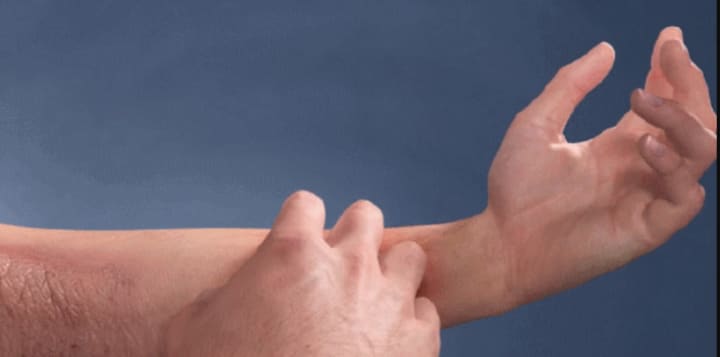
1. Skin damage caused by stress. Due to wearing tight masks for a long time, such as N95 masks and some ear-hanging masks, the skin on the edges of the nose, cheeks, chin, behind the ears, etc., which touch the mask, may appear erythema and strangulation, and may be accompanied by pain. In severe cases There will also be skin ulceration and erosion.
2. Skin rashes caused by dampness. When wearing a tightly airtight mask continuously, there is a lot of sweat inside the mask, and a long-term humid environment will cause the skin to become white, impregnated, and wrinkled.
3. Contact dermatitis. Some people are allergic to the material of the mask due to wearing low-quality masks. Erythema and red papules appear on the part of the mask and the nearby skin, accompanied by itching. In severe cases, edema, blisters, and exudation may occur.
4. Acne. Because the internal environment of the mask is humid and the temperature is high, it affects the secretion of sebaceous glands, and the skin produces more oil, which may lead to the appearance or aggravation of acne (ie "acne").
Among the skin problems caused by the above four types of masks, the first two types of skin problems may occur in people of any skin type. Contact dermatitis is more likely to occur in people with allergies, and acne is likely to occur in people with oily skin.
How to deal with skin damage in a targeted manner?
1. To prevent skin damage caused by stress, try to avoid using ear-hanging masks and switch to head strap-style surgical masks, loosening the straps every 1 to 2 hours. If you need to wear an N95 mask for a long time because of occupational factors, you can put on a medical hydrocolloid dressing in advance to prevent pressure injuries. For the skin that has been damaged, the severity must be judged first. If the indentation is light, just apply an emollient. After a period of time, the indentation will disappear by itself; if the local erythema or swelling occurs, you can apply a cold wet compress with normal saline; if there is a heavier bruise, you can apply it to improve the local blood Circulating ointment, such as polysulfonic mucopolysaccharide cream; if the pressure is severe and there is ulceration or erosion, antibiotic ointment can be applied to prevent local infection. After the antibiotic ointment is absorbed, recombinant bovine basic fibroblast growth factor can be sprayed to promote wounds heal.
2. To prevent rashes caused by dampness, you can apply emollients to your face in advance. Every 2 to 3 hours, remove the mask and wipe off the sweat, and reapply emollients to promote skin recovery.
3. For contact dermatitis, if there are erythema, red papules, and itching, you can apply calamine, zinc oxide paste and other drugs to relieve itching; if the situation is serious, swelling, exudation or even blisters, you need to combine oral anti-allergic drugs. And seek medical attention in time.

4. After acne appears, the first thing to distinguish is whether it is inflammatory acne or closed acne. Inflammatory acne is usually bright red in color, painful pressing, yellow-white discharge or pus head; and closed acne is usually skin color, not painful when pressed, the size of small rice grains, pointed, and may have black or white heads in the center. For inflammatory acne, use fusidic acid cream, mupirocin ointment, ciprofloxacin hydrochloride gel and other antibiotic ointments to relieve it. For closed acne, you can apply adapalene gel or tretinoin cream, but these two drugs have photosensitivity and irritation. You need to clean your face at night and apply a small amount of moisturizing products to the acne instead of large areas. rub. If the acne is more serious, you need to see a doctor in time, and take oral medication under the guidance of a doctor. In addition, experts remind that, for the acne that has formed, do not squeeze or pick it by yourself, otherwise it will be easier to leave acne marks or pits. Also note that you should not stay up late, drink less alcohol, and eat less spicy, greasy, or high-sugar foods. These may increase the amount of oil on the skin and aggravate acne.
About the Creator
Keep reading
More stories from writers in Longevity and other communities.
Day 4 of Quitting
If this is how sobriety feels, maybe it’s better to go through life a little buzzed… this, along with other hits like, I want to kill myself, I wish I was dead, and I’m going to throw myself off a bridge have been the only thoughts on rotation these past few days. I promise myself that if, in a month, I still feel like this (‘this’ meaning despondent, full of rage, and simultaneously numb) I can go back to smoking. Until mid-February though? Nicotine is off the table.
By sleepy drafts24 days ago in Longevity
New Medical Technology Extends Human Life Expectancy
Advances in medical technology are reshaping the future of healthcare and redefining how long and how well people can live. In recent years, scientists and medical professionals have introduced groundbreaking innovations that are significantly extending human life expectancy. These developments are not only helping to prevent deadly diseases but are also improving quality of life for millions around the world. From artificial intelligence–driven diagnostics to gene therapy and regenerative medicine, the modern healthcare revolution is entering a new era of longevity. One of the most important contributors to increased life expectancy is early disease detection through advanced diagnostic technology. Artificial intelligence (AI) is now being used to analyze medical scans, blood tests, and genetic data with remarkable accuracy. AI-powered systems can identify signs of cancer, heart disease, and neurological disorders at much earlier stages than traditional methods. Early diagnosis allows doctors to begin treatment before diseases become life-threatening, significantly improving survival rates. Another major breakthrough lies in personalized medicine. Instead of using the same treatment approach for every patient, doctors can now tailor therapies based on an individual’s genetic profile. This approach ensures that medications and treatments are more effective and produce fewer side effects. Personalized cancer treatments, for example, target specific genetic mutations within tumors, leading to higher recovery rates and longer patient survival. Regenerative medicine has also emerged as a powerful force in extending human life. Stem cell therapy and tissue engineering are enabling the repair or replacement of damaged organs and tissues. Scientists have successfully grown human skin, cartilage, and even parts of organs in laboratories. These technologies offer hope to patients suffering from organ failure, spinal injuries, and degenerative diseases. Instead of relying solely on organ transplants, future patients may receive lab-grown tissues that match their own bodies, reducing rejection risks and increasing life expectancy. Wearable health technology has transformed preventive care and daily health monitoring. Smartwatches and health-tracking devices can now measure heart rate, blood oxygen levels, sleep patterns, and physical activity in real time. These devices alert users to potential health problems before they become serious. For example, irregular heart rhythms or dangerously low oxygen levels can be detected instantly, allowing users to seek medical help quickly. This continuous monitoring empowers individuals to take control of their health and prevent sudden medical emergencies. Robotic surgery is another innovation contributing to longer life expectancy. Surgical robots allow doctors to perform highly precise procedures with minimal invasion. Smaller incisions reduce blood loss, lower the risk of infection, and shorten recovery times. Patients who once faced long hospital stays can now return to normal life much faster. Robotic-assisted surgeries are especially effective in heart operations, cancer treatments, and complex neurological procedures. Gene editing technologies, such as CRISPR, have opened new possibilities in preventing inherited diseases. Scientists can now modify faulty genes responsible for conditions like sickle cell anemia, muscular dystrophy, and certain cancers. While still under strict ethical and regulatory review, gene therapy holds the promise of eliminating genetic disorders before they can cause serious harm. This could dramatically increase life expectancy for future generations. Vaccination technology has also advanced significantly. New vaccines are being developed faster and more efficiently using modern biotechnology. These vaccines protect against deadly viruses and emerging infections, preventing large-scale health crises. Improved immunization programs have already helped control diseases that once reduced life expectancy worldwide, such as measles, polio, and influenza. Mental health technology is also playing a growing role in overall longevity. Digital therapy platforms, AI counseling tools, and mobile mental health applications are helping individuals manage stress, anxiety, and depression. Since mental well-being is closely linked to physical health, these innovations contribute to longer and healthier lives by reducing suicide rates and stress-related illnesses. Despite these remarkable achievements, challenges remain. High costs of advanced medical technology limit access in many developing countries. Inequality in healthcare systems means that not everyone benefits equally from these innovations. Ethical questions also arise regarding genetic modification and life-extending technologies. Governments and medical institutions must ensure that these tools are used responsibly and made accessible to broader populations. Experts believe that the future of medicine will focus not only on extending life but also on improving the quality of those extra years. Living longer without good health offers little benefit, so the goal is to create healthier aging through technology, lifestyle changes, and preventive care. In conclusion, new medical technology is transforming human life expectancy in ways once thought impossible. Through AI diagnostics, regenerative medicine, gene therapy, robotic surgery, and digital health tools, people are living longer and healthier lives. While challenges of cost and ethics remain, the progress achieved so far signals a hopeful future. As innovation continues, humanity stands on the edge of a new medical era—one where longer life is not just a dream, but a scientific reality.
By Fiaz Ahmed about 2 hours ago in Longevity
Instructions Included Challenge Winners
For the Instructions Included challenge, we asked writers to tell a story through instructions and to trust the form to carry what could not be said outright. Across the top entries, that trust paid off in many different ways.
By Vocal Curation Team3 days ago in Resources



Comments
There are no comments for this story
Be the first to respond and start the conversation.