


So lesson one is going to be pretty basic, just so that we're all on the same page as we move forward into more complicated discussions. As of right now, I have no idea how many lessons I'm going to end up publishing. There are some topics that I can talk for ages about and some that I usually just point to the works of people who are much smarter than me and tell you "here, this is what you want".
Much of what you are going to learn from me over the course of these lessons will be things that I have picked up over nearly 30 years of reading Tarot for myself and others. So I'm going to say now that not everything that works for me will work for you. I will try and offer alternatives but if I say something and it just doesn't feel right to you, then feel free to check around for another source or figure it out on your own. Much of my work has been done in a guess and check style of learning, with intermittent affairs with certain books and teachers.
If you have any questions, you can pop over to my Hermit Tarot facebook and drop your questions either on the pinned "ask me anything" post or if you're shy, slid into my DMs and leave a message. I will answer to the best of my ability, but remember that I am not giving out readings so if your question is of that nature, maybe ask the cards and not me? If I feel like your question would be a good topic for a lesson or blog entry, I will let you know that and also send you a link to the posting so you can get your answers.
Also, if you haven't checked out my pre-course blog on honesty, now might be the time to do it because it touches on some important points that you need to be aware of before you start into the journey of reading Tarot.
Okay, so here we go. Some basic stuff suited to lesson one.
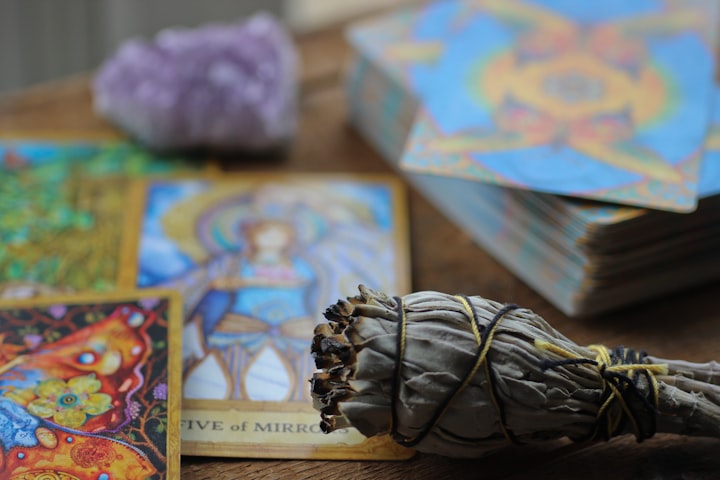
What is the Tarot?
The Tarot is a pack of playing cards usually numbering 78 that is used for divination and other esoteric works. The deck is divided into the Major and Minor Arcana. Arcana is a word that literally means "secret" and is used to describe the two types of cards in a deck.
The Major Arcana (greater secrets), or trump cards, consists of 22 cards without suits: The Magician, The High Priestess, The Empress, The Emperor, The Hierophant, The Lovers, The Chariot, Strength, The Hermit, Wheel of Fortune, Justice, The Hanged Man, Death, Temperance, The Devil, The Tower, The Star, The Moon, The Sun, Judgement, The World and The Fool.
The Major Arcana is often referred to as the Fool's journey, and you can easily see the story of the young man in the Fool card going through the major arcana as events and people he meets on the way to enlightenment.
The Minor Arcana (lesser secrets) consists of 56 cards, divided into four suits of 14 cards each; ten numbered cards and four court cards. The court cards are the King, Queen, Knight and Page, in each of the four tarot suits; cups, swords, wands and pentacles. These cards are just as important in readings as the major arcana, and have their own messages to impart, so don't discount them when they come up.
Where did the Tarot come from?
I want to give you an awesome answer, one full of references to thick tomes and ancient scripts. An answer that just reeks of knowledge and history. But the truth is, that answer doesn't exist. The best answer to this is no one really knows. There are many mentions of card packs and games that might be the early versions of the Tarot in many documents from medieval Europe, but no definitive records showing the origins of the Tarot cards of today.
Most people think that it was popularized by the Gypsies who wandered Europe and therefore the cards came from Egypt (because of the faulty thought that Gypsies originated in Egypt so everything about them was from there.) But the Romani (the proper name of the people who were called Gypsies) are not from Egypt at all and there is no evidence to trace the Tarot to an origin among the Romani. From what can be determined, they picked it up along the way because people liked it as a fortune telling method and the original cards used were actually just a standard playing card deck. The Tarot as we know it today developed along the way.
Tarot vs. Oracle Decks
While used for basically the same things, Oracle decks and Tarot decks are formatted differently. For a deck to be “technically” a Tarot, it has to be made in the structure as listed above – 22 Major Arcana cards (even if there is some variation on the names/order) and 4 suits of 14 cards each. There are some exceptions to this rule, with decks adding or taking away cards, but the basic structure of a Tarot is the same, where an Oracle Deck has its own unique structure, with its own unique number of cards and may or may not have suits. I have personally used both with great success, so it's a matter of personal choice to which you prefer, but I hope that my lessons will be useful for either one.
I think that about covers the basics of what we are going to be talking about.
You can find the list of lessons here, and my FAQ page here.
Remember that you can send me a DM or comment on the pinned post on my Facebook if you have any questions or suggestions for things you'd like to see covered in this series.
About the Creator
Dani Hermit
Author.
Tarot Reader.
Crochet enthusiast.
But mostly a big ass nerd-bomb who likes to hear myself talk and will spout unsolicited advice at the drop of a hat. Also, you will probably learn more about my cats than you ever wanted to know.
Keep reading
More stories from Dani Hermit and writers in Longevity and other communities.
Words, words, words
On this page I'm going to list the terms and concepts that I talk about often so that there is a quick reference. This will keep me from having to explain things like "shadow work" in every other lesson or post. If there are posts where I talk about these things in depth, I will provide links for those of you who want to explore further.
By Dani Hermit6 years ago in Longevity
Day 4 of Quitting
If this is how sobriety feels, maybe it’s better to go through life a little buzzed… this, along with other hits like, I want to kill myself, I wish I was dead, and I’m going to throw myself off a bridge have been the only thoughts on rotation these past few days. I promise myself that if, in a month, I still feel like this (‘this’ meaning despondent, full of rage, and simultaneously numb) I can go back to smoking. Until mid-February though? Nicotine is off the table.
By sleepy drafts12 days ago in Longevity
More Than 5 Million Native Plants Reintroduced in Deserts Are Slowing Land Degradation and Rebooting Arid Ecosystems
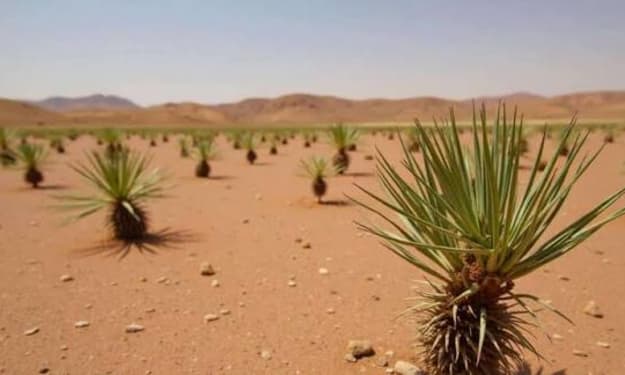
Deserts are often seen as barren, unforgiving landscapes, but they are far from lifeless. These ecosystems, while harsh, support unique biodiversity and provide critical environmental services, from carbon sequestration to regulating local climates. Yet, decades of overgrazing, unsustainable land use, and climate change have taken their toll, leaving many arid regions struggling with soil erosion, loss of native vegetation, and diminished ecological resilience. Now, a bold rewilding effort is turning the tide: over five million native plants have been reintroduced into deserts worldwide, and the early results are promising. The scale of the initiative Across regions from the deserts of the Middle East and North Africa to the arid plains of Australia and North America, conservation organizations, local communities, and governments have collaborated to replant native species that were once nearly wiped out. These plants range from hardy shrubs and grasses to iconic desert flowers, all carefully selected for their ability to survive in extreme conditions and restore ecological balance. The numbers are staggering: more than 5 million individual plants have been transplanted over the last five years, covering thousands of hectares. While this effort is labor-intensive, involving soil preparation, irrigation during establishment phases, and ongoing monitoring, the environmental payoff has been remarkable. Slowing land degradation One of the primary goals of these reintroductions is to combat land degradation, a process that affects over 40% of the planet’s land surface. In deserts, degradation is particularly acute because soil erosion occurs rapidly in the absence of stabilizing vegetation. Without plants to anchor the soil, wind and water can strip away fertile topsoil, creating a feedback loop of declining vegetation and worsening erosion. Early monitoring reports suggest that reintroduced native plants are helping to stabilize sandy soils and reduce the spread of desertification. In some areas of the Middle East, for instance, wind erosion rates have decreased by up to 30% in regions where shrubs and grasses were replanted. This stabilization not only benefits the environment but also local communities that rely on the land for grazing, agriculture, and other livelihoods. Rebooting arid ecosystems Beyond slowing soil loss, these plant reintroductions are rebooting entire desert ecosystems. Deserts are home to a diverse array of wildlife, including insects, birds, and mammals that rely on native plants for food and shelter. By re-establishing vegetation cover, these efforts have triggered a cascade of ecological benefits. In parts of the Sonoran Desert in North America, researchers observed a noticeable increase in pollinator populations, such as bees and butterflies, following the reintroduction of native flowering plants. Similarly, small mammals and reptiles that had disappeared from degraded areas are gradually returning, attracted by improved habitat structure and food availability. Climate resilience Another key advantage of reintroducing native plants is enhancing climate resilience. Many desert plants are adapted to survive extreme heat, drought, and poor soils. By re-establishing these species, ecosystems can better withstand climate-related stresses, such as prolonged droughts or extreme heatwaves. Additionally, some species improve soil moisture retention and reduce surface temperatures, creating microclimates that further support biodiversity. Community engagement and knowledge transfer What makes these rewilding efforts particularly successful is the integration of local communities. Indigenous knowledge about native species, planting techniques, and seasonal cycles has been invaluable. In some regions, schools and community groups participate in planting days, turning conservation into a source of pride and education. This engagement ensures that restored areas are maintained, monitored, and valued over the long term. Looking ahead While the reintroduction of five million native plants is a significant achievement, experts caution that long-term success requires continued investment, monitoring, and protection from overgrazing, development, and climate pressures. However, the initiative provides a compelling example of how targeted, science-backed restoration can reverse environmental damage. For arid ecosystems, these efforts are more than just planting trees and shrubs—they represent hope. They demonstrate that even the most fragile landscapes can recover when humans actively collaborate with nature, restoring not only plants but the entire web of life that depends on them. As the world grapples with climate change and land degradation, the lessons from these desert rewilding projects offer a blueprint for action: by investing in native biodiversity, we can slow degradation, rebuild ecosystems, and create landscapes that are resilient, productive, and teeming with life once again.
By Fiaz Ahmed Brohi5 days ago in Longevity


Comments
There are no comments for this story
Be the first to respond and start the conversation.