health
Keeping your mind and body in check - popular topics in health and medicine to maintain a long and healthy life.
It’s the Most Urgent Public Health Issue”: Dr. Rangan Chatterjee on Screen Time, Mental Health – and Banning Social Media Until 18. AI-Generated.
In an era dominated by digital connectivity, concerns over the impact of excessive screen time on mental health have intensified. Dr. Rangan Chatterjee, a leading voice in preventive medicine, recently addressed these issues in an in-depth interview, calling the overuse of social media and digital devices “the most urgent public health issue of our time.” Dr. Chatterjee, known for his work on lifestyle medicine and authoring bestsellers like The 4 Pillar Plan, highlighted the profound psychological and physiological consequences of prolonged screen exposure, particularly among children and adolescents. He explained that while technology has brought unprecedented access to information and social connectivity, it has also fueled anxiety, depression, sleep disruption, and impaired social development in younger generations. “Every day, we see children and teenagers struggling with stress, low self-esteem, and a sense of inadequacy directly linked to their social media use,” said Dr. Chatterjee. “The constant comparison to idealized online images and the addictive nature of scrolling can have long-term consequences for their mental health.” The case for limiting social media Dr. Chatterjee argues that current societal norms around screen time are unsustainable. Children as young as eight are spending hours on platforms designed to maximize engagement, often at the expense of sleep, physical activity, and face-to-face interactions. Research supports this, showing correlations between extended social media use and higher rates of anxiety, depression, and even suicidal ideation among adolescents. He believes that limiting social media access until age 18 could provide children with the developmental space to cultivate real-world social skills, resilience, and a healthier relationship with technology. “We wouldn’t give a toddler a bottle of whiskey, yet we hand over devices loaded with addictive algorithms,” he said. “This is a societal experiment with real consequences, and we need to be honest about it.” Balancing technology with wellbeing While advocating for limits, Dr. Chatterjee acknowledges that digital technology is not inherently harmful. The challenge lies in moderation and mindful use. Parents and educators play a critical role in guiding children, setting boundaries, and modeling responsible behavior. Simple strategies include establishing device-free zones, prioritizing sleep, encouraging outdoor play, and engaging in shared activities that do not involve screens. He also emphasized the importance of teaching children about the psychological mechanisms behind social media, including the dopamine-driven rewards that make platforms addictive. “Education about digital wellbeing should be integrated into school curricula,” Dr. Chatterjee suggested. “Just as we teach kids about healthy eating or exercise, we should teach them about healthy technology use.” The wider implications The impact of excessive screen time extends beyond mental health. Dr. Chatterjee points to rising sedentary behavior, disrupted circadian rhythms, and decreased attention spans as additional consequences. He warns that without intervention, these trends could contribute to chronic health issues, including obesity, diabetes, and cardiovascular problems, later in life. Healthcare systems are beginning to recognize the urgency. Clinics specializing in adolescent mental health report increasing numbers of patients presenting with digital addiction, sleep disorders, and anxiety-related conditions tied to online behavior. Policymakers and tech companies are also under pressure to create safer digital environments, though progress remains uneven. Dr. Chatterjee suggests that the conversation must shift from blaming individuals to addressing systemic issues. Social media platforms are engineered to maximize engagement, often at the expense of users’ mental wellbeing. Regulatory frameworks, combined with parental guidance and educational initiatives, are essential to protect younger populations. Moving forward Dr. Chatterjee’s call for a social media age limit is part of a broader effort to prioritize public health in a digital era. He advocates for proactive, preventive measures that recognize the developmental needs of children and adolescents. This includes robust mental health education, community programs promoting physical activity and social engagement, and stricter oversight of platforms targeting young users. “Screen time is not just a personal issue; it’s a societal one,” he concluded. “If we continue to ignore the mental health implications of excessive digital exposure, we are failing an entire generation. Restricting access until maturity, combined with education and guidance, could be the single most impactful step we take for the future wellbeing of our children.” As debates around social media regulation continue globally, Dr. Chatterjee’s perspective underscores the urgency of rethinking how society interacts with technology. His recommendations call for a balance that embraces innovation while safeguarding the mental and physical health of the next generation. The conversation around screen time is no longer just about convenience or entertainment; it is a critical public health issue demanding attention from parents, educators, policymakers, and tech companies alike. With rising rates of anxiety, depression, and sleep disorders, the stakes have never been higher—and Dr. Chatterjee’s message is clear: action is overdue.
By Fiaz Ahmed 19 days ago in Longevity
The No-Exercise Cholesterol Hack: How I Ate My Way Out of a Medical Mess
I’ve spent most of my life as an athlete and a soldier, which means I’m used to treating my body like a machine. In that world, you don’t ask how the engine feels; you just put the fuel in and demand results. But hit fifty, throw in a few major surgeries, and suddenly that machine starts looking more like a rusty tractor.
By Feliks Karić19 days ago in Longevity
Half the Battle is in the Kitchen: How to Double Your Results with Smart Nutrition
You’ve cleared a space in your living room, unrolled the mat, and finally stayed consistent with your home workout routine. That is a massive win. But after a few weeks, a common frustration often kicks in: “Why am I not seeing the results I expected?”
By Salim Riahi19 days ago in Longevity
As more farmers seek assistance, the mental health crisis in farming communities continues to grow.
As the emotional toll of modern farming increases, more farmers in agricultural communities in the UK and Canada are seeking mental health support. According to recent reports, not only is there a growing need for assistance, but also the underlying difficulties that cause a lot of people in the farming industry to struggle with stress, isolation, financial anxiety, and deteriorating health. According to recent reports from farming communities, farmers are turning to charities and agricultural support organizations that offer listening services, helplines, and outreach to those in distress for mental health support.
By Raviha Imran19 days ago in Longevity
How Robots Are Changing Healthcare
How Robots Are Changing Healthcare One of the most transformative periods in healthcare's history is currently underway. Robotics, which was once mostly associated with manufacturing plants and science fiction, is at the center of this evolution. Today, robots assist surgeons, disinfect hospital rooms, deliver medications, support rehabilitation, and even provide companionship to patients.
By Farida Kabir20 days ago in Longevity
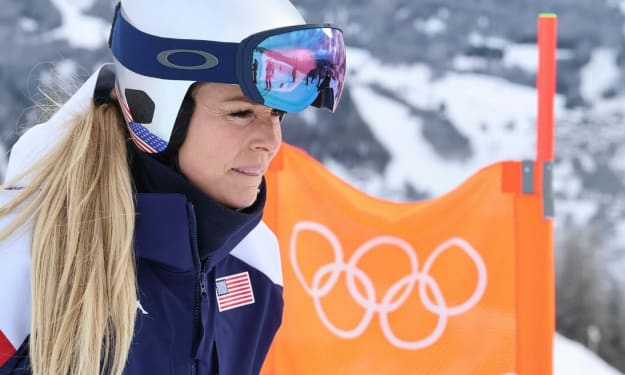
Lindsey Vonn Has Another Surgery After Olympic Crash, Says She’s Returning to U.S.. AI-Generated.
American skiing legend Lindsey Vonn is set to return to the United States following a recent surgery, the latest in a series of medical interventions after a high-speed crash during the Winter Olympics. The 38-year-old athlete, widely regarded as one of the greatest alpine skiers of all time, confirmed the update on social media, assuring fans that she is recovering steadily and focusing on rehabilitation. Crash at the Olympics Vonn’s crash occurred during the downhill skiing event at the 2026 Winter Olympics, sending shockwaves through the sporting world. Footage from the event showed Vonn losing control in a challenging section of the course, resulting in a fall that left her with multiple injuries, including damage to her knee and upper body. Medical teams immediately assessed her condition, and she was transported to a nearby facility for treatment. Despite the severity of the incident, Vonn demonstrated remarkable composure, communicating with her team and the media to reassure fans that she would focus on recovery. A Series of Surgeries This most recent procedure marks the third surgical intervention since the Olympic crash. According to her team, the surgery addressed lingering complications that were affecting her mobility and strength. While her doctors had initially hoped that physical therapy alone could restore function, it became clear that surgical intervention was necessary to prevent long-term issues. “Lindsey is incredibly resilient,” said her orthopedic surgeon. “Her determination to return to full health and maintain her active lifestyle is exceptional. This surgery is a precautionary step to ensure that she can recover fully and avoid further injury.” Vonn’s previous surgeries following the crash included repair of a torn ligament in her knee and minor procedures to address bruising and fractures sustained during the fall. Recovery from each operation required careful monitoring, pain management, and intensive physiotherapy. Returning Home In her statement, Vonn confirmed that she would be returning to the U.S. to continue her recovery in a familiar environment. “Being home will allow me to focus on rehabilitation, spend time with family, and work with my team of therapists to get back to full strength,” she wrote. Fans and fellow athletes have expressed their support across social media platforms. Many highlighted her career achievements, including four World Cup overall titles, Olympic medals, and her record-breaking performances in speed events. Supporters noted that Vonn’s dedication to her sport and ability to overcome injury serve as an inspiration to athletes of all ages. Long-Term Recovery and Future Plans Although Vonn has not confirmed whether she intends to return to competitive skiing, her focus in the short term is clear: regaining strength and mobility. Experts indicate that recovery from multiple surgeries, particularly involving the knee and major muscle groups, can take several months. “Rehabilitation will be gradual and carefully structured,” said her physiotherapist. “We are looking at a combination of strength training, flexibility exercises, and low-impact cardiovascular activity. Lindsey’s motivation and discipline make her an ideal candidate for a successful recovery.” Vonn has previously endured serious injuries during her career, including torn anterior cruciate ligaments (ACL) and fractures. Each time, she has managed to return to top-level competition, demonstrating her resilience and commitment. Reactions from the Skiing Community Prominent figures in the skiing world have voiced their support for Vonn’s recovery. Fellow Olympians, coaches, and international ski federations sent messages praising her courage and offering encouragement. “Lindsey embodies the spirit of alpine skiing,” said a member of the U.S. Ski & Snowboard leadership team. “She competes with passion, overcomes adversity, and inspires the next generation. We look forward to seeing her back on her feet and enjoying life to the fullest.” Sports analysts note that while Vonn may be stepping back from competitive events for the foreseeable future, her influence on skiing remains profound. She has advocated for athlete safety, mental health awareness, and support for women in sports, contributing to the evolution of alpine skiing culture. Looking Ahead For now, Vonn’s priority is her health and rehabilitation. Fans around the world continue to follow updates on her progress, expressing admiration for her courage and perseverance. As she returns to the United States, her team remains focused on ensuring she receives the best care and support possible. “This isn’t the end of my journey,” Vonn wrote in her statement. “It’s just another chapter. I am determined to heal, stay positive, and embrace the future with strength and gratitude.” With multiple surgeries behind her and a dedicated support team in place, Lindsey Vonn’s path to recovery reflects both the challenges and resilience inherent in elite sports. Her return to the U.S. marks the beginning of this next phase—a phase focused on health, family, and the enduring love of skiing.
By Fiaz Ahmed 20 days ago in Longevity
“Nothing Says Love Like Chemicals”: Valentine’s Roses Often Covered in Pesticides, Testing Finds. AI-Generated.
Valentine’s Day roses may look romantic, but new testing shows many bouquets come with an unwelcome extra: high levels of pesticide residue. Consumer advocates say the findings highlight a largely hidden problem in the global flower industry, where heavy chemical use is common and regulation remains uneven. A recent investigation by the Environmental Working Group analyzed roses purchased from major retailers in several U.S. cities ahead of Valentine’s Day. Laboratory tests detected traces of more than a dozen different pesticides on some flowers, including chemicals restricted or banned for use on food crops. While roses are not eaten, researchers warn that frequent handling — by florists, warehouse workers, and consumers — can still pose health risks. “People associate roses with love and celebration, but what we found was a cocktail of chemicals,” said an EWG spokesperson. “These pesticides don’t disappear when the flowers are cut. They remain on petals and leaves that people touch and bring into their homes.” Most roses sold in the United States are imported, primarily from Colombia and Ecuador, where large-scale flower farms rely on intensive pesticide spraying to meet demand for flawless blooms. Industry experts say pests and fungal diseases thrive in the humid greenhouse conditions used to grow roses year-round, making chemical control the cheapest and fastest solution. Testing found residues of fungicides and insecticides commonly used in commercial flower production. Some of these substances have been linked in scientific studies to hormone disruption, respiratory problems, and skin irritation. Although the amounts detected were within legal limits for ornamental plants, advocates argue that safety standards for flowers are far weaker than those for fruits and vegetables. The U.S. Department of Agriculture does not regulate pesticide residues on cut flowers in the same way it monitors food products, because roses are not intended for consumption. This regulatory gap means consumers rarely receive information about what chemicals were used to grow the flowers they buy. Florists are among the most exposed. Many handle thousands of stems daily in the days leading up to Valentine’s Day. “We’ve had workers complain about headaches and rashes during peak seasons,” said a shop owner in New York who asked not to be named. “We wear gloves now, but customers don’t think about that when they’re holding a bouquet.” Environmental groups also point to the impact on farmworkers in exporting countries. Reports from labor organizations describe frequent pesticide exposure, limited protective equipment, and long working hours during the Valentine’s rush. “The health burden is not shared equally,” said a labor rights advocate based in Bogotá. “Those growing the flowers face the highest risks.” The flower industry disputes that roses pose a danger to consumers. Trade associations maintain that approved pesticides are used according to safety guidelines and that exposure levels are minimal. “These products are essential to protect crops and ensure quality,” said a representative of a major floral exporter. “Without them, we could not meet global demand or control disease outbreaks.” Still, demand for alternatives is growing. Organic and “pesticide-free” roses are becoming more available, though they are often more expensive and harder to source in winter. Some florists are shifting to locally grown flowers or encouraging customers to buy potted plants instead of cut roses. Health experts recommend simple precautions: washing hands after handling flowers, keeping bouquets away from food preparation areas, and avoiding sleeping with flowers near pillows or beds. Removing outer petals and using gloves when arranging bouquets can also reduce exposure. For consumers, the findings challenge the image of roses as a harmless symbol of romance. “It’s ironic that a gift meant to express care may come with chemical risks,” said the EWG spokesperson. “We’re not saying people should stop buying flowers. We’re saying they deserve transparency and safer choices.” As Valentine’s Day sales continue to soar each year, advocates hope the spotlight on pesticides will push regulators and retailers toward stricter standards. Until then, the classic bouquet may carry a hidden message alongside its petals: love, wrapped in chemicals.
By Fiaz Ahmed 20 days ago in Longevity