
Sustainable Living: Small Changes That Make a Big Impact
How Simple Choices in Our Daily Lives Can Help Protect the Planet

Sustainable living is much more than a popular buzzword or a passing trend; it is a vital and urgent way of life that acknowledges the profound connection between humans and the natural environment. With the world facing escalating challenges such as climate change, resource depletion, pollution, and biodiversity loss, adopting sustainable living practices has become an ethical responsibility and a practical necessity. It is about making daily choices that minimize our ecological footprint and help preserve the planet’s health for current and future generations.
The beauty of sustainable living lies in its accessibility—no one is expected to overhaul their entire life overnight or live without modern comforts. Instead, it focuses on thoughtful, intentional decisions that collectively contribute to meaningful positive change. Whether it’s reducing waste, conserving energy, eating mindfully, or choosing eco-friendly transportation, every small action adds up to a much larger impact.
Reducing Waste: The Three Rs
One of the easiest and most impactful ways to live sustainably is by reducing waste. Globally, we produce billions of tons of waste every year. Much of this ends up in landfills, waterways, or oceans, where it pollutes ecosystems, harms wildlife, and contributes to greenhouse gas emissions. The mantra of “Reduce, Reuse, Recycle” is central to cutting down waste generation.
Reduce: This means buying and consuming less. It involves avoiding disposable or single-use products and opting for durable, long-lasting items instead. For example, rather than purchasing bottled water daily, investing in a reusable water bottle drastically cuts plastic waste. Similarly, reducing consumption of fast fashion garments by buying fewer, higher-quality clothes slows down the enormous waste generated by the clothing industry.
Reuse: Repurposing and reusing items extends their life cycle and reduces the demand for new products. Simple habits like using glass jars for storage, donating clothes, or repairing broken appliances instead of discarding them contribute significantly to waste reduction. Creative reuse also encourages innovation and can add unique value to everyday objects.
Recycle: While recycling is important, it should always come after efforts to reduce and reuse. Recycling saves resources and energy by turning used materials into new products, but it is also energy-intensive and sometimes limited by contamination or availability of facilities. Properly sorting recyclables and understanding what can and cannot be recycled locally enhances its effectiveness.
Combatting Food Waste
Food waste is a critical environmental issue. Approximately one-third of all food produced globally is wasted. This represents not only a waste of resources like water, energy, and labor but also contributes to greenhouse gas emissions when food decomposes in landfills. Food production requires huge amounts of water—about 1,800 gallons of water to produce just one pound of beef, for example. Throwing away food is thus wasting precious natural resources.
To combat food waste at home, planning meals in advance, buying only what is needed, and properly storing food are essential habits. Using leftovers creatively—for example, turning vegetable scraps into broth or repurposing stale bread into croutons—can minimize waste. Composting organic scraps instead of sending them to landfill returns nutrients to the soil and reduces methane emissions from decomposing food waste.
Energy Conservation: Simple Actions, Big Results
Energy use is a major contributor to environmental degradation, as much of the world’s electricity still comes from burning fossil fuels. Making homes and lifestyles more energy-efficient helps reduce carbon emissions and saves money.
There are many straightforward actions anyone can take:
Turning off lights, computers, and appliances when not in use avoids unnecessary energy consumption.
Switching to LED bulbs reduces electricity use drastically since LEDs use up to 80% less energy than incandescent bulbs.
Properly insulating homes prevents heat loss in winter and heat gain in summer, lowering the need for heating and air conditioning.
Using programmable thermostats optimizes energy use based on occupancy and time of day.
Supporting renewable energy sources, like installing solar panels or choosing green energy providers, reduces dependence on fossil fuels and promotes clean energy.
Eco-Friendly Transportation Choices
Transportation is a significant source of greenhouse gas emissions worldwide. The internal combustion engine cars, airplanes, and ships powered by fossil fuels release large amounts of carbon dioxide and other pollutants.
Sustainable living encourages:
Using public transportation, cycling, walking, or carpooling whenever possible to reduce individual emissions.
Switching to electric or hybrid vehicles, which produce fewer emissions, especially when powered by renewable electricity.
Planning trips efficiently to avoid unnecessary travel.
Considering alternatives to flying, such as trains, for medium distances, which are generally more energy-efficient.
Offsetting carbon emissions from travel through verified environmental projects, though reducing emissions should always be the primary goal.
Water Conservation: Protecting a Precious Resource
Water is essential for all life, yet it is a limited and often vulnerable resource. Many regions around the world face severe water shortages due to climate change, overuse, and pollution.
Sustainable water practices include:
Fixing leaks in taps and pipes to prevent waste.
Taking shorter showers and turning off the tap while brushing teeth.
Using water-efficient fixtures and appliances.
Collecting rainwater for gardening or other non-potable uses.
Choosing drought-resistant plants in landscaping to reduce irrigation needs.
Every drop saved helps protect ecosystems and ensures access to clean water for everyone.
Sustainable Food Choices
What we eat and how it is produced have enormous environmental consequences. Meat production, especially beef and lamb, is highly resource-intensive, requiring large amounts of water, land, and feed, and contributing significantly to greenhouse gas emissions through methane release by livestock.
Eating a more plant-based diet, even partially, lowers your ecological footprint. Incorporating more fruits, vegetables, legumes, nuts, and whole grains is healthier and better for the planet. Supporting organic farming or regenerative agriculture practices also promotes soil health, biodiversity, and reduces chemical inputs.
Buying locally grown food reduces emissions related to long-distance transportation and supports local economies. Seasonal eating encourages a closer connection with natural cycles and reduces reliance on energy-intensive greenhouse farming or imports.
Rethinking Fashion and Consumption
The fast fashion industry is notorious for creating vast amounts of waste and pollution. Synthetic fibers contribute to microplastic pollution, and textile dyeing releases harmful chemicals.
Sustainable living promotes:
Buying high-quality, timeless pieces that last longer.
Shopping secondhand or swapping clothes.
Repairing garments instead of discarding them.
Choosing brands with ethical and environmentally friendly production practices.
Being a conscious consumer is powerful and can drive industry changes.
Community and Advocacy
Sustainable living is not only about personal habits but also about community engagement and systemic change. Participating in local environmental groups, volunteering for clean-up events, supporting policies that protect natural areas and reduce emissions, and educating others multiplies individual impact.
Communities that embrace sustainability often foster stronger social connections, shared resources, and healthier environments, benefiting everyone.
Education and Awareness
Finally, understanding the impact of our choices is crucial. Sustainability is a learning journey that evolves with new scientific insights and innovations. Staying informed and open to change empowers us to adapt and make better decisions.
Sharing knowledge with family, friends, and coworkers spreads awareness and builds a culture of care for the Earth.
In Conclusion
Sustainable living is a hopeful, proactive way to address some of the greatest challenges facing humanity. It is about making mindful, everyday choices that respect the environment and promote social equity. While no single action can solve climate change or biodiversity loss alone, millions of small, committed actions can create a powerful wave of change.
By reducing waste, conserving energy and water, choosing sustainable foods and transportation, supporting ethical consumption, and engaging in our communities, we help protect the planet’s natural systems. We preserve clean air and water, fertile soils, and vibrant ecosystems. Most importantly, we secure a livable world for ourselves, our children, and countless generations ahead.
Every small step counts. The journey toward sustainability begins at home, with awareness and intention—and it’s a journey well worth taking.
About the Creator
Met Office Forecasts Dry Weather for Sindh
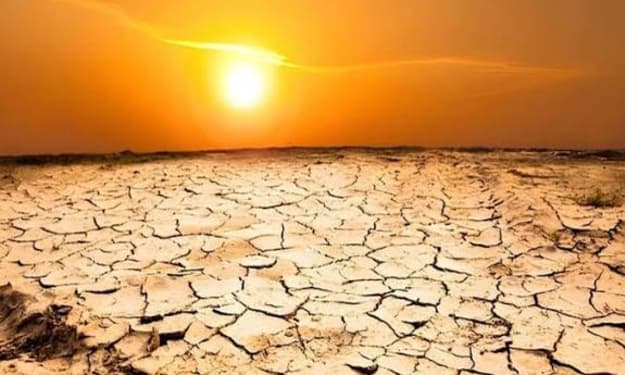
The Pakistan Meteorological Department has issued a forecast indicating that Sindh province is expected to experience a prolonged period of dry weather over the coming weeks. Meteorologists say the region will see little to no rainfall, with temperatures remaining above seasonal averages, raising concerns about agriculture, water resources, and public health. According to the Met Office, a high-pressure system over the Arabian Sea and the Indian subcontinent is likely to dominate weather patterns in Sindh for the next fortnight. This atmospheric configuration inhibits cloud formation, leading to clear skies and minimal precipitation. Forecasts predict daytime temperatures in major cities, including Karachi and Hyderabad, to hover between 28°C and 34°C, slightly above the long-term average for this period. Nighttime temperatures are expected to remain mild, ranging from 18°C to 22°C. The dry spell comes at a critical time for the agricultural sector. Sindh is a major contributor to Pakistan’s wheat, sugarcane, and rice production. Farmers are being advised to monitor soil moisture levels carefully and consider supplemental irrigation for crops at sensitive growth stages. Prolonged dry conditions can affect germination, yield, and quality, particularly for wheat crops that rely on moderate rainfall in the final stages before harvest. Water resource management is also expected to become a key challenge. Reservoirs and canals in Sindh, which depend on upstream flows from the Indus River system, are already operating at variable levels due to reduced inflows and increased water demand. Local authorities are monitoring water distribution closely, emphasizing conservation measures and urging residents to avoid excessive usage. In some districts, water rationing plans may be activated if the dry period persists. Public health officials have cautioned about potential heat-related risks. Although the current temperatures are not extreme, prolonged dry conditions can exacerbate health issues, particularly for vulnerable populations such as the elderly, children, and people with preexisting medical conditions. Heat stress, dehydration, and respiratory issues may become more common if residents do not take appropriate precautions. Health authorities recommend staying hydrated, avoiding prolonged exposure to the sun during peak hours, and ensuring access to cool environments. The Met Office also noted that dust storms and haze could occur in some areas due to the dry conditions combined with occasional strong winds. These phenomena can reduce visibility and impact road traffic, aviation, and outdoor activities. Residents are advised to take safety precautions, particularly when traveling, and to follow local advisories regarding dust and air quality. Economists have warned that the dry spell could have indirect effects on local markets. Reduced crop output may drive up food prices, especially for wheat, rice, and vegetables, affecting household budgets and contributing to inflationary pressures. Traders and suppliers are being advised to monitor market conditions and plan accordingly to avoid shortages or sudden price hikes. Despite the dry weather, meteorologists have noted that this pattern is part of a natural seasonal variation. Sindh typically experiences dry periods during the pre-monsoon and post-winter seasons, and occasional heat waves are not unusual. However, experts also emphasize that climate change may be altering rainfall patterns, leading to longer dry spells and more unpredictable weather events. Continuous monitoring and early warning systems are essential to mitigate risks to agriculture, water supplies, and public health. Authorities in Sindh have urged residents and local businesses to remain vigilant. Farmers should adopt efficient irrigation practices, municipal agencies should ensure water distribution networks function effectively, and the public should take measures to protect health and safety. Collaboration between government departments, meteorological agencies, and the community will be crucial in managing the impacts of this dry period. Looking ahead, the Met Office expects the dry spell to continue into late March, with little relief from rainfall until the onset of the pre-monsoon showers. While temperatures are likely to remain moderate, the persistence of dry weather underscores the need for careful planning and resource management in Sindh. Residents are encouraged to stay updated with official forecasts and advisories to minimize the effects of prolonged dry conditions on daily life and livelihoods.
By Fiaz Ahmed 2 days ago in Longevity
4 Surprising Truths About Nanoparticles In Your Soda
The Unseen World in Your Grocery Cart Imagine grabbing a can of soda or a packaged snack from your pantry. It's a simple, everyday act. Yet, hidden within that familiar fizz and sweetness is a technological frontier most of us never consider: the world of nanomaterials. Current research reveals that many of the foods and drinks we consume may contain engineered or unintentionally formed particles so small they are invisible to the naked eye. This article will explore four of the most surprising and impactful facts we are learning about nanotechnology in our food system, based on current research and analysis.
By The INFORMER6 days ago in Longevity
Pearl
1980 something. we all hung out at Pearl and you and i were nothing special, or so i thought. i mean we all danced, drenched in our own sweat, our own saline solution of fear, too many beers, shots, laughter, tears, fucks in the bathroom and i don't know when we began to be afraid. do you?
By ROCK aka Andrea Polla (Simmons)6 days ago in Fiction


Comments (1)
Sustainable living is really important. I try to reduce waste at home. I stopped buying bottled water and use a reusable one instead. It's easy. Also, I've started using glass jars for storage. It's amazing how these small changes can make a difference. What are some other simple ways you've found to live more sustainably?