
Supplements: Insights from a Nutritionist
There are countless supplements available in pharmacies, supermarkets, and health stores today—but how do you know they're right for you?


Supplements line the shelves of pharmacies, supermarkets, and health stores, claiming to address everything from stress to sleeplessness to shinier hair. But how do you decide whether they’re worth taking? And are they actually beneficial?
New Zealand-based nutritionist Claire Turnbull emphasizes that while supplements can have a role, they are not a substitute for a healthy diet. “People often view vitamins and supplements as an ‘insurance policy,’ but they tend to overestimate their effectiveness,” she says. “Supplements are valuable for specific individuals in particular situations—not as a catch-all solution.”

Turnbull, managing director of Mission Nutrition, highlights cases where supplements are genuinely necessary. For instance, pregnant women should take vitamin D, folic acid, and iodine, as prescribed by their doctor. Similarly, individuals diagnosed with conditions like celiac disease or gastrointestinal disorders may require targeted supplementation, but only under medical guidance.
When Supplements Are Needed
For certain groups, supplements can provide crucial support:
Vegans and Vegetarians: These diets may lack zinc and iron, which should be monitored via blood tests before supplementation.
Older Adults: Common deficiencies include Omega-3, vitamin D, B vitamins, and iron.
Those with Dietary Restrictions: Individuals with chewing or texture challenges may need specific nutrients.
Turnbull adds that most New Zealanders fall short on selenium and iodine. These can be addressed through dietary sources—just two Brazil nuts daily provide sufficient selenium, while iodine is found in fish, seafood, and seaweed. Omega-3 supplementation can also benefit those who don’t consume much oily fish.
The Risks of Over-Supplementing
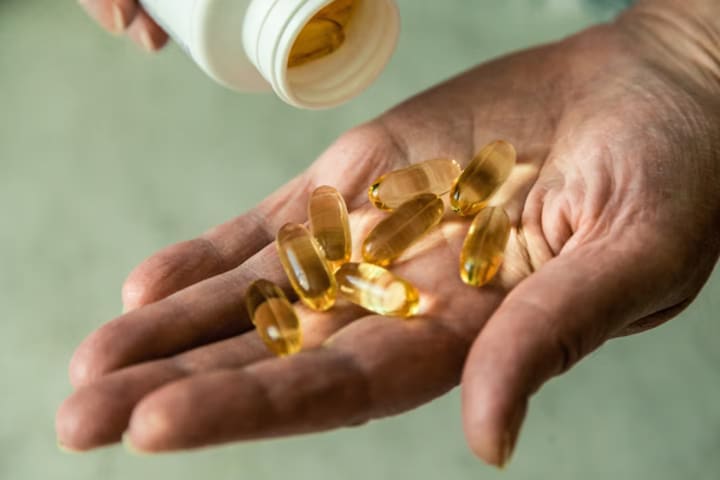
“Supplement stacking,” where people take multiple supplements without professional advice, poses significant risks, Turnbull warns. Excessive intake of certain vitamins and minerals can be toxic or disrupt nutrient absorption. For example, too much zinc interferes with iron absorption, and high doses of iron can limit zinc uptake.
Turnbull stresses the importance of addressing the root causes of health concerns. Fatigue, for instance, might indicate an underlying condition like diabetes or celiac disease. Similarly, symptoms like bloating could signal irritable bowel syndrome or even more serious issues like bowel cancer.
Quality Over Quantity

When choosing supplements, quality matters. “If it’s cheap, there’s a reason for that,” Turnbull explains, noting that dosage and ingredient lists often reveal a product’s value. However, she advises caution with expensive, celebrity-endorsed supplements, which often prioritize aesthetics over effectiveness.
Instead of defaulting to supplements, Turnbull suggests investing in a professional review of your diet. A session with a dietitian or nutritionist can be as affordable as a couple of months’ worth of supplements—and may even be covered by health insurance.
Supplements should be viewed as the finishing touch to a solid foundation of healthy habits. For example, addressing sleep issues might involve improving sleep hygiene—reducing light exposure, creating a dark and cool sleep environment, and moderating caffeine intake—before considering a sleep aid.
“Supplements are like the sprinkles on the icing on the cake,” Turnbull says. “If the foundation isn’t right, they won’t make a significant difference unless there’s a deficiency.”
The Bottom Line
Ultimately, many people would benefit more from spending their money on fresh fruits, vegetables, and whole foods than on supplements. “A lot of the general supplements people take aren’t solving the problems they think they are,” Turnbull concludes.
Before reaching for the latest miracle pill, consider whether you’re better off focusing on balanced nutrition and addressing lifestyle factors that influence your health.
About the Creator
Pepita
At Your Service
Day 4 of Quitting
If this is how sobriety feels, maybe it’s better to go through life a little buzzed… this, along with other hits like, I want to kill myself, I wish I was dead, and I’m going to throw myself off a bridge have been the only thoughts on rotation these past few days. I promise myself that if, in a month, I still feel like this (‘this’ meaning despondent, full of rage, and simultaneously numb) I can go back to smoking. Until mid-February though? Nicotine is off the table.
By sleepy drafts14 days ago in Longevity
The Six Things I Refuse to Sacrifice When It Comes to Health
I've watched people negotiate with their health for years. They don't call it that, of course. They call it being busy. Or realistic. Or flexible. Or "in a season." But what they're actually doing is trading long-term function for short-term convenience and hoping it doesn't catch up to them.
By Destiny S. Harris3 days ago in Longevity


Comments
There are no comments for this story
Be the first to respond and start the conversation.