
Superfoods for Super Health: Unlock the Secrets to Optimal Wellness with Nutrient-Packed Foods
Learn How Superfoods Can Enhance Your Energy, Strengthen Immunity, and Improve Overall Health

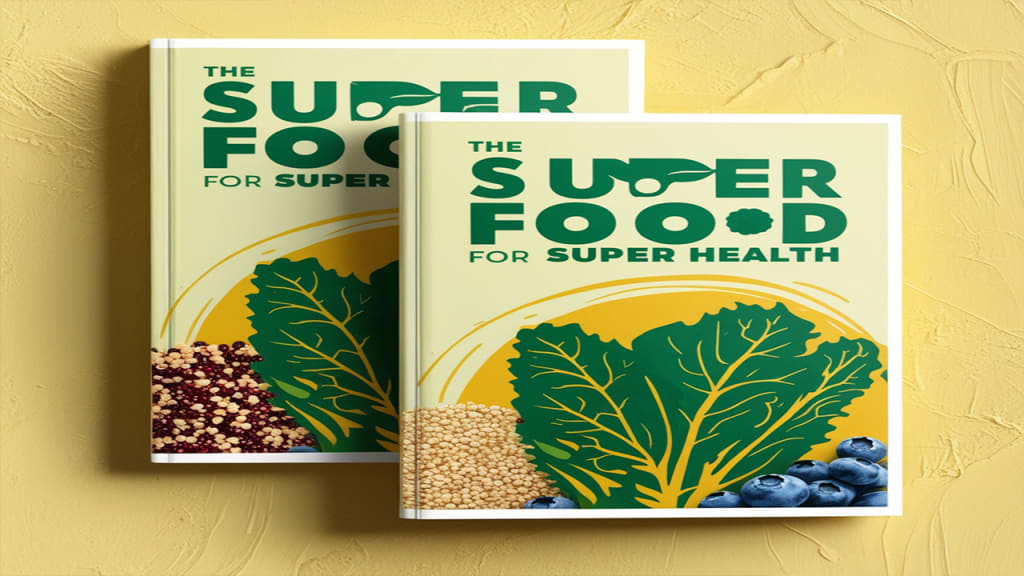
The Super Food for Super Health
Table of Contents
1. Introduction
What Are Super Foods?
The Benefits of Incorporating Super Foods into Your Diet
How to Use This Book
2. The Super Foods
1. Berries
Blueberries
Strawberries
Goji Berries
2. Leafy Greens
Spinach
Kale
Swiss Chard
3. Nuts and Seeds
Almonds
Chia Seeds
Flaxseeds
4. Whole Grains
Quinoa
Oats
Brown Rice
5. Healthy Fats
Avocado
Olive Oil
Coconut Oil
6. Fermented Foods
Yogurt
Kimchi
Sauerkraut
7. Seafood
Salmon
Sardines
Mackerel
8. Herbs and Spices
Turmeric
Ginger
Garlic
9. Legumes
Lentils
Chickpeas
Black Beans
10. Exotic Super Foods
Matcha
Spirulina
Acai
3. Incorporating Super Foods into Your Diet
Simple Superfood Smoothie Recipes
Superfood Salads and Bowls
Easy Superfood Snacks
Superfood-Infused Meals
4. Super Foods for Specific Health Goals
Boosting Immunity
Enhancing Brain Health
Promoting Heart Health
Supporting Weight Loss
Improving Digestion
5. Conclusion
Making Super Foods a Part of Your Lifestyle
Final Tips for Super Health
Introduction
What Are Super foods?
Super foods are nutrient-rich foods that provide a significant health boost with each serving. They are typically packed with vitamins, minerals, antioxidants, and other essential nutrients that contribute to overall well-being. While there’s no official definition of what qualifies as a super food, many foods have earned this label due to their exceptional nutritional profile and health benefits.
The Benefits of Incorporating Super foods into Your Diet
Incorporating super foods into your daily diet can have profound effects on your health. These foods can help improve energy levels, strengthen the immune system, enhance mental clarity, and reduce the risk of chronic diseases. By making Super Foods a staple in your diet, you can achieve optimal health and vitality.
How to Use This Book
This book is designed to introduce you to the world of Super Foods and guide you on how to incorporate them into your daily routine. Each section focuses on a different category of Super Foods, explaining their benefits and how they can be used in various recipes. You’ll also find practical tips on how to tailor your superfood intake to meet specific health goals.
The Super foods
1. Berries
Blueberries
Blueberries are often hailed as the king of antioxidants. Rich in vitamin C, vitamin K, and fiber, these tiny fruits pack a powerful punch. They are known to support heart health, improve cognitive function, and reduce the risk of certain cancers. Adding a handful of blueberries to your morning smoothie or yogurt can provide a delicious health boost.
Strawberries
Strawberries are another antioxidant-rich berry, loaded with vitamin C and manganese. They are great for improving heart health and reducing inflammation. Strawberries are versatile and can be enjoyed in salads, desserts, or simply on their own.
Goji Berries
Goji berries, also known as wolfberries, have been used in traditional Chinese medicine for centuries. They are rich in vitamins A and C, iron, and fiber. Goji berries are believed to boost immune function, improve skin health, and support eye health. You can add dried goji berries to your oatmeal, trail mix, or smoothies.
2. Leafy Greens
Spinach
Spinach is a nutritional powerhouse, packed with vitamins A, C, K, iron, and calcium. It’s known for its ability to support bone health, improve eye health, and reduce oxidative stress. Spinach can be easily incorporated into salads, smoothies, or sautéed as a side dish.
Kale
Kale is often referred to as the queen of greens due to its high nutrient content. It’s rich in vitamins A, C, K, and several B vitamins, as well as calcium, potassium, and magnesium. Kale is excellent for detoxifying the body, reducing inflammation, and promoting heart health. You can enjoy kale raw in salads, cooked in soups, or baked into crispy kale chips.
Swiss Chard
Swiss chard is a leafy green that’s high in vitamins K, A, and C, as well as magnesium and iron. It’s known for its anti-inflammatory properties and its ability to support bone health. Swiss chard is a versatile green that can be used in salads, soups, or sautéed with garlic and olive oil.
3. Nuts and Seeds
Almonds
Almonds are a nutrient-dense snack, high in healthy fats, fiber, protein, magnesium, and vitamin E. They are known to lower cholesterol levels, promote heart health, and support weight management. Almonds can be enjoyed raw, roasted, or added to a variety of dishes.
Chia Seeds
Chia seeds are tiny but mighty, packed with omega-3 fatty acids, fiber, protein, and calcium. They are excellent for improving digestion, boosting energy levels, and supporting heart health. Chia seeds can be added to smoothies, yogurt, or used to make chia pudding.
Flaxseeds
Flaxseeds are rich in omega-3 fatty acids, fiber, and lignans, which have antioxidant properties. They are known to improve heart health, support digestive health, and reduce the risk of certain cancers. Ground flaxseeds can be sprinkled on cereals, salads, or blended into smoothies.
4. Whole Grains
Quinoa
Quinoa is a complete protein, meaning it contains all nine essential amino acids. It’s also high in fiber, magnesium, and antioxidants. Quinoa is great for supporting muscle growth, improving digestion, and reducing inflammation. It can be used as a base for salads, side dishes, or in place of rice.
Oats
Oats are a whole grain rich in fiber, particularly beta-glucan, which helps lower cholesterol levels and improve heart health. They also provide a good source of protein and various vitamins and minerals. Oats are a versatile breakfast option, perfect for oatmeal, overnight oats, or baking.
Brown Rice
Brown rice is a whole grain that retains its nutrient-rich bran and germ layers, making it a better option than white rice. It’s high in fiber, magnesium, and selenium, which support heart health, digestion, and weight management. Brown rice can be used in a variety of dishes, from stir-fries to grain bowls.
5. Healthy Fats
Avocado
Avocado is a superfood known for its high content of healthy monounsaturated fats, which are beneficial for heart health. It’s also rich in potassium, fiber, and various vitamins. Avocado can be enjoyed on toast, in salads, or as guacamole.
Olive Oil
Olive oil, especially extra virgin olive oil, is a staple in the Mediterranean diet and is known for its heart-healthy benefits. It’s rich in monounsaturated fats and antioxidants. Olive oil is ideal for cooking, dressing salads, or drizzling over vegetables.
Coconut Oil
Coconut oil is rich in medium-chain triglycerides (MCTs), which are easily converted into energy by the body. It’s also known for its antimicrobial properties. Coconut oil can be used in cooking, baking, or as a natural moisturizer for the skin.
6. Fermented Foods
Yogurt
Yogurt is a fermented dairy product rich in probiotics, which are beneficial bacteria that support gut health. It’s also a good source of protein, calcium, and B vitamins. Opt for plain, unsweetened yogurt to avoid added sugars, and enjoy it with fresh fruit, granola, or as a base for smoothies.
Kimchi
Kimchi is a traditional Korean fermented vegetable dish, usually made with cabbage and a variety of spices. It’s rich in probiotics, vitamins, and antioxidants, and is known to support digestive health and boost immunity. Kimchi can be eaten as a side dish or added to stir-fries and soups.
Sauerkraut
Sauerkraut is fermented cabbage that’s rich in probiotics, vitamin C, and fiber. It supports gut health, boosts the immune system, and aids digestion. Sauerkraut can be enjoyed as a topping for sandwiches, hot dogs, or as a side dish.
7. Seafood
Salmon
Salmon is a fatty fish that’s an excellent source of omega-3 fatty acids, protein, and vitamin D. It’s known to support heart health, brain function, and reduce inflammation. Salmon can be grilled, baked, or added to salads.
Sardines
Sardines are small, oily fish rich in omega-3 fatty acids, calcium, and vitamin D. They support bone health, heart health, and brain function. Sardines can be enjoyed on crackers, in salads, or as a topping for pizza.
Mackerel
Mackerel is another fatty fish high in omega-3 fatty.
About the Creator
Md Obydur Rahman
Md Obydur Rahman is a passionate Story and Content Writer, known for crafting engaging narratives that resonate with readers. He skillfully weaves emotion and realism, bringing characters and stories to life.
Keep reading
More stories from Md Obydur Rahman and writers in Longevity and other communities.
Building a Smart Dieting Plan: A Step-by-Step Guide to Sustainable Weight Loss and Healthy Eating
Introduction: Keeping a sound eating regimen is essential for accomplishing long haul health and weight the executives. Nonetheless, building a brilliant eating fewer carbs plan requires something other than cutting calories — about settling on smart food decisions support your body's necessities. In this aide, we'll investigate how to make a feasible, adjusted diet that advances both weight reduction and by and large wellbeing.
By Md Obydur Rahmanabout a year ago in Longevity
Microsoft's Purposeful Marketing Deception About AI's Ability To Beat Physicians In Diagnosis
When you look at the world of scientific research... If you are not careful... You will be fooled into believing things that are not actually supported by the data.
By Dr. Cody Dakota Wooten, DFM, DHM, DAS (hc)a day ago in Longevity
Two People Die After Paid Plasma Donation at Clinics in Canada
Two people have died in Canada after giving plasma at for‑profit donation clinics, prompting a federal probe and renewed debate over donor safety, industry regulation, and the ethics of paid plasma collection. The deaths—described by officials as “fatal adverse reactions”—occurred months apart and involved the same chain of clinics operating under a private model that compensates donors. Health Canada, the federal department responsible for regulating plasma donation centers, confirmed it has received reports of two deaths connected to plasma collection procedures at for‑profit clinics in Winnipeg, Manitoba. The first occurred in October 2025, and the second in January 2026. Both deaths are now the subject of active review by federal inspectors as authorities seek to determine whether the procedures or equipment used contributed to the incidents. Officials have not publicly identified the individuals involved, but friends of one victim told local media she was a 22‑year‑old international student who was donating plasma when she suddenly went into distress and subsequently died. The clinics where the donations took place are operated by the Spanish healthcare company Grifols, which runs approximately 17 paid plasma donation centers nationwide. Grifols has stated it is cooperating with Health Canada’s investigation, and insists it “has no reason to believe there is a correlation” between the deaths and the plasma donation process. How Paid Plasma Donation Works in Canada Plasma—the liquid component of blood—contains proteins essential for manufacturing medicines that treat conditions such as hemophilia, immune deficiencies, and certain neurological disorders. Unlike whole blood, plasma can be donated more frequently because the other components are returned to the donor’s body during the procedure. Until recently, paid plasma donation was illegal in several parts of Canada. However, starting in the early 2020s, Grifols entered into agreements with Canadian Blood Services and provincial health authorities that allow the company to offer financial compensation—typically up to about C$100 per visit—to donors in select provinces including Manitoba and Saskatchewan. The arrangements have expanded as domestic demand for plasma products has grown. Canadian Blood Services notes that local plasma collection still only meets a fraction of the country’s need for these critical medical materials. While voluntary (unpaid) blood and plasma donation remains the standard in provinces such as Quebec and British Columbia, paid plasma centers have opened in others under regulatory exemptions and agreements designed to boost supply. The practice is controversial, with advocates for a voluntary system warning that payments can encourage frequent or risky donation behavior among donors who may be financially vulnerable. Investigation and Safety Concerns Health Canada has dispatched inspectors to the Winnipeg clinics following the reported fatalities. Preliminary information indicates that both incidents occurred during or shortly after individuals underwent the standard plasma donation process, and were categorized by authorities as “fatal adverse reactions,” requiring mandatory reporting to the federal regulator. Regulatory records for the clinics have also drawn scrutiny. Recent inspections in provinces where Grifols operates identified deficiencies including incomplete record‑keeping, lapses in donor screening, and inconsistent maintenance of equipment—issues that raise questions about compliance with the Food and Drugs Act and federal blood regulations. Critics argue that the string of problems, including two deaths, illustrates deeper structural weaknesses in how paid plasma donation is overseen. “When you have a private company operating these clinics, you lose control over much of the industry,” said a blood safety advocate. “Public accountability and transparency should be paramount when people’s lives are literally at stake.” For many Canadians, memories of the tainted blood scandal of the 1980s—when thousands were infected with HIV and hepatitis C through contaminated blood products—still loom large. That crisis led to major reforms and strict safeguards to protect donors and recipients. Some experts fear the renewed reliance on paid, private plasma collection may erode that hard‑won trust in the system. Response Grifols has reaffirmed that it follows stringent screening protocols and that donors undergo health evaluations before each appointment. The company says it has implemented corrective plans to address any non‑compliance identified by inspectors and is focused on preventing future issues. Canadian Blood Services expressed sorrow over the deaths but emphasized that safety remains its highest priority. The national body highlighted that plasma donation, when properly regulated and monitored, is generally considered safe and that serious adverse reactions are rares. Patient advocates and public health groups, however, are calling for greater transparency and stricter oversight. With paid plasma donation still a relatively new phenomenon in Canada, many are urging regulators to release more detailed information on the causes of the deaths and whether systemic changes are needed to protect donors. What Happens Next Health Canada’s investigation could take weeks or months to complete as officials review medical records, equipment logs, and operational procedures at the affected clinics. If regulatory breaches are found to have contributed to the fatalities, authorities could impose penalties, require corrective action plans, or even suspend operations at the centers. For now, the tragic deaths underscore the importance of robust safety standards in medical donation settings and have reignited debate over the role and regulation of for‑profit clinics in Canada’s blood and plasma landscape.
By Fiaz Ahmed 4 days ago in Longevity




Comments
There are no comments for this story
Be the first to respond and start the conversation.