
"Stretching" has so many benefits for the body!
Stretching exercise

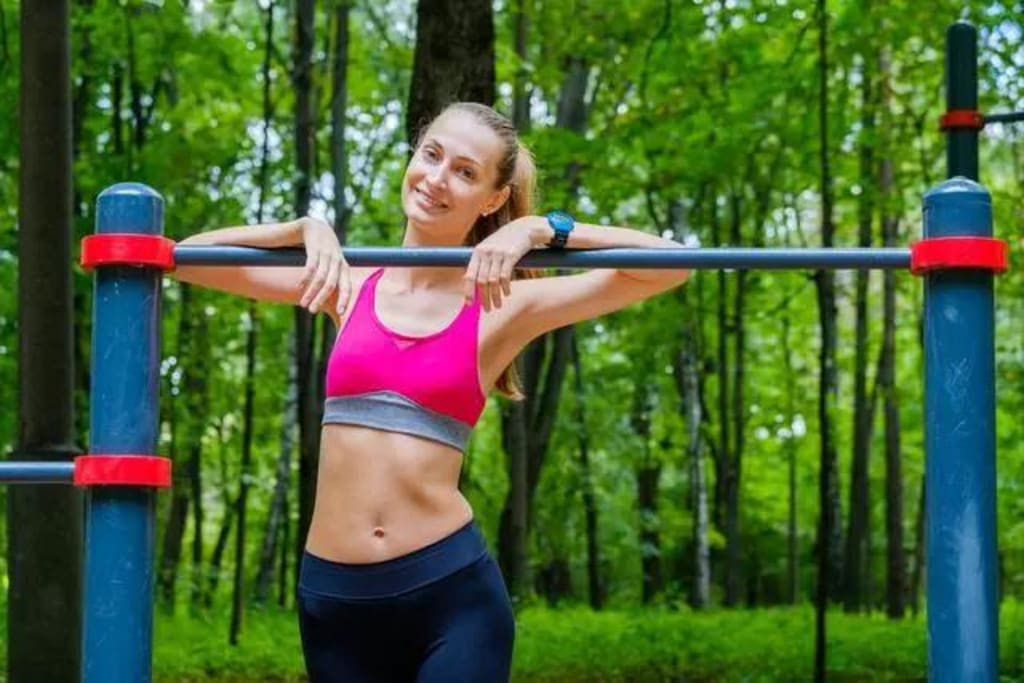
Stretching may seem simple, but adding it to your daily exercise can not only decompress and relax your spirit, but it is also beneficial to your body. People who have time to do stretching exercises will find that it is a great help for formal exercise and daily life. Today, I will share with you the positive effects of stretching exercises on your health.
Stretching is any exercise that can temporarily lengthen muscles (including tendons, ligaments, and connective tissue). Every time you move your body, there is always a certain part stretched.

Stretching can be divided into two basic types. Static stretching refers to moving to the end of the range of motion and then maintaining this posture. Examples of static stretching include pulling the heel toward the hips (to stretch the quadriceps), or bending the elbow at the top of the head (to stretch the triceps).
On the other hand, dynamic stretching is an active and controlled action performed during a larger range of exercises. Examples of dynamic stretching include walking lunges, arm loops, and squats. Under normal circumstances, dynamic stretching is suitable to be done before formal exercise, so that muscles, tendons and ligaments are ready for exercise; static stretching is suitable to be done after exercise to cool and relax the muscles.
Relieve pain, become flexible, and stretch the eight major benefits of the body
Improve the flexibility of the body. Stretching increases the range of motion of a joint or group of joints. The immediate effect is that the nervous system becomes more tolerant of stretching poses, but this effect disappears within a day or even a few hours. If you want to improve your body's flexibility in the long term, it is recommended that you need to stretch for 5 to 6 days a week.
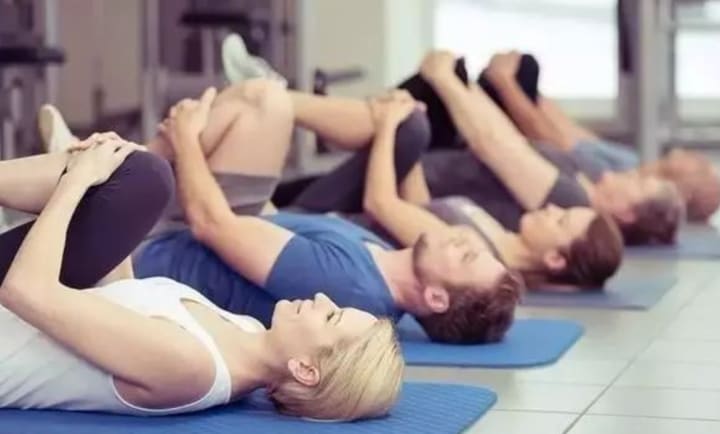
Helps to activate muscles better during exercise. Adhere to regular stretching exercises can also improve athletic performance. The greater the range of motion, the more muscles can be activated. For example, if the range of motion of the hamstrings is limited, only 40% of the muscles can be activated when doing a single-leg deadlift. However, if the flexibility of the hamstrings increases, 60% of the muscles can be activated. The end result is that you can increase muscle strength, lift heavier weights, and become stronger.
Daily life feels more relaxed. Increasing flexibility not only improves the level of exercise, but also makes daily life easier. Although you may not be aware of this, many daily tasks (such as sitting in and up from a chair, and bending over to pick up toddlers) involve a certain degree of flexibility.
Prepare for formal exercise. Exercise physiologists usually recommend dynamic stretching before exercise. This is because dynamic stretching before exercise is "a way to move slowly before moving fast." In doing so, the body can be prepared for effective exercise to generate and absorb stronger force.
Dynamic stretching also helps to activate the connection between the mind and the muscles. The idea-muscle connection means that just by thinking about the muscles that are activated when you move the body in your mind, the muscles can work more effectively during exercise. For example, the hamstrings and gluteal muscles can be fully mobilized when doing deadlifts, but not the lower back muscles.
Reduce the risk of injury. Warming up before exercise can help reduce the risk of injury, and dynamic stretching is an integral part of warming up. Dynamic stretching helps to warm up the muscles, joints and tendons, and temporarily increase the range of motion, and then use the ideal posture to complete the action during the exercise, which reduces the chance of injury.
Take the squat as an example. If you don't warm up before doing this exercise, you won't be able to squat fully. In order to compensate for the shortened range of motion, the body has to lean forward, which puts pressure on the back or the knee joints move inward, causing joint pain. However, if you do dynamic stretching before doing squats, you can complete squats with high quality without pain.
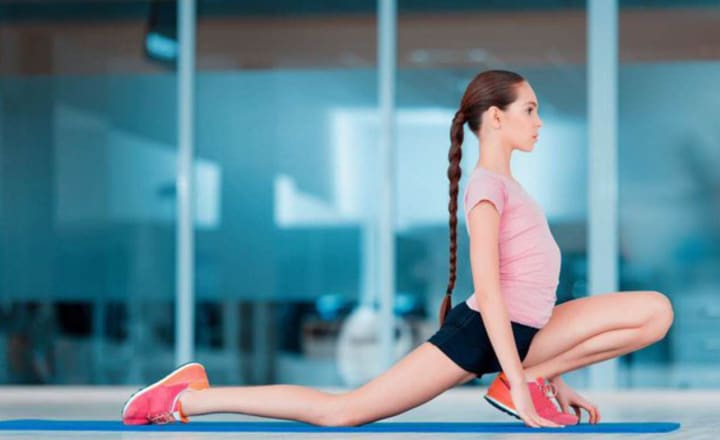
Helps calm down the body after exercise. Doing a static stretch after the exercise can help lower your heart rate, calm your breathing, and relieve your high levels of excitement during exercise more quickly. Another way to achieve this calm state is to combine static stretching with deep breathing. Stretching after exercise can also increase blood flow, increase oxygen content, and deliver nutrients to the body and muscles, thereby promoting recovery.
Precisely locate the part of the body that is out of balance. Stretching can be used to identify areas of the body that are particularly tight and poorly balanced, so that these problem areas have a chance to correct them before they cause injury. For example, when you stretch the hip flexors by doing a lunge squat, you find that the right side sinks deeper than the left side, which reminds you that the hip joint is unbalanced when it opens. This problem can also arise when you do other exercises involving the hips, such as running, squats, and hip bridges. Adding more unilateral training to your daily exercise can help eliminate this imbalance.
Relieve pain. Sitting for a long time will cause certain muscles to shorten in order to adapt and feel "tight." Frequent static stretching can help reverse this adaptive shortening of muscles, thereby reducing pain by increasing muscle flexibility.
You can also combat this tightness by moving your body more during the day. A simple method is to do 5 minutes of dynamic stretching every hour, such as looping around the hips and swinging arms to embrace the opposite body.
Some tips to learn from when doing stretching
Stretching does not have to be maintained for a long time. Static stretching is maintained for at least 30 seconds, which is long enough to feel muscle contraction and relaxation. Persistence for more than one minute will not bring more benefits. As for dynamic stretching, there is no fixed holding time, just feel that the body is fully warmed up. The greater the intensity of the formal exercise, the longer the dynamic stretch should be.
You shouldn’t feel pain when you stretch. Stretching may not be comfortable, but it shouldn’t be painful either. If you feel burning, numbness, or tingling while stretching, it may be a nerve irritation. In this case, you should reduce the extent of stretching, wait for the discomfort to completely dissipate, and then resume stretching. If done correctly, stretching is safe for most people.
Stretching is not a magical solution to your fitness goals. Adding stretching to your daily exercise is the right choice. However, only perseverance can reap the benefits of stretching. For example, in order to achieve significant results, it is recommended to stretch three times a day (morning, afternoon, and evening). After a significant increase in investment, you will notice an increase in flexibility within two weeks to one month. But don't expect extreme changes in flexibility.
About the Creator
Keep reading
More stories from writers in Longevity and other communities.
Day 4 of Quitting
If this is how sobriety feels, maybe it’s better to go through life a little buzzed… this, along with other hits like, I want to kill myself, I wish I was dead, and I’m going to throw myself off a bridge have been the only thoughts on rotation these past few days. I promise myself that if, in a month, I still feel like this (‘this’ meaning despondent, full of rage, and simultaneously numb) I can go back to smoking. Until mid-February though? Nicotine is off the table.
By sleepy drafts23 days ago in Longevity
When Kindness Turned into a Burden
Some people are so cruel that they snatch trust, confidence, love, and sincerity from others. I have been very sensitive since childhood. My heart has always been extremely soft. Whenever I see someone sad, I become sad myself—whether it is a real person or even a scene from a film or TV drama. Sometimes I become so emotional that I start sobbing uncontrollably. Because of this weakness, I have suffered many losses in life.
By Sudais Zakwan4 days ago in Longevity



Comments
There are no comments for this story
Be the first to respond and start the conversation.