
Steroids Vs Stem Cell Therapy: Degenerative Disc Disease
Stem Cell Therapy Treatment For Degenerative Disc Disease

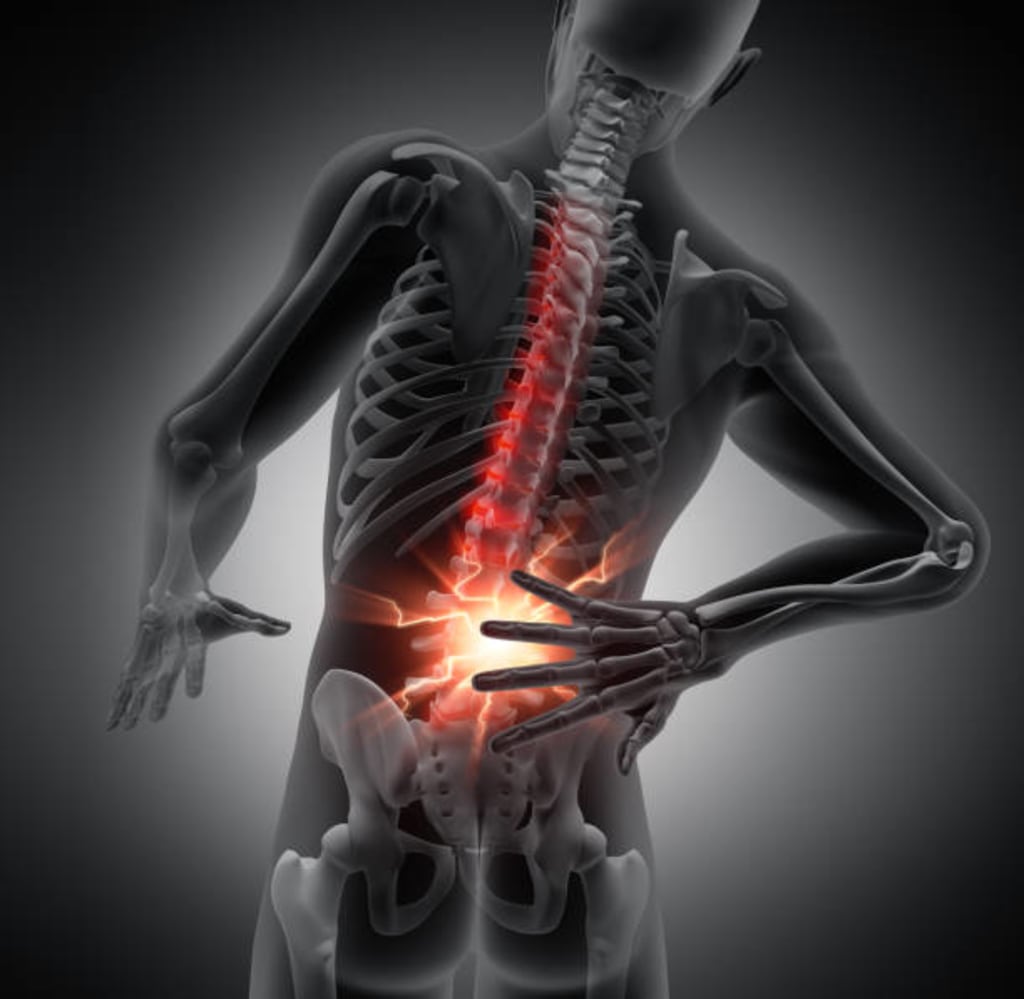
The term "degenerative disc disease" refers to a group of disorders caused by the general wear and tear of intervertebral discs.
Pain in the lower back, buttocks, or thighs that lasts from a few days to a few months is the most common symptom. Patients report that no position reduces their discomfort and that it worsens when they sit.
The start and progression of the condition are determined by our daily activities, posture, food, and genetic composition.
The discs wear down over time, losing their fluid content and sponge-like texture, and hence their flexibility.
These discs contain a very small blood supply, just enough to keep them alive and enable them to endure tiny disruptions.
Repeated stress, on the other hand, can cause these discs to stiffen and develop fissures, resulting in chronic neck or lower back pain. Degenerated discs appear darker on MRI scans than normal discs.
Treatment Options: Steroids Vs Stem Cell Therapy
Steroids Injections
Herniated disc pain can be relieved with epidural steroid injections, a sort of interventional pain treatment therapy.
When injected around the herniated disc, steroids, which are potent anti-inflammatory drugs, provide relief by lowering nerve sensitivity and inflammation surrounding the herniation and protrusion, allowing the body's natural healing mechanism to function.
Although Epidural injections can help with Sciatica symptoms produced by a herniated disc, they can only help with localized low back pain caused by deep-seated disc abnormalities, such as degenerative disc disease manifesting as Discogenic pain.
Discogenic Pain treatment methods have traditionally been surgical, intending to provide pain relief without actually treating the fundamental cause of the problem. The following are some of the possibilities:
- Micro Discectomy is a surgical procedure that removes the invasive intervertebral disc fragments.
- The vertebrae surrounding the problematic disc(s) are joined in spinal fusion surgery. This relieves discomfort by restricting the movement of the afflicted disc (s). The fused vertebrae, on the other hand, redirect pressure to other parts of the spine, and patients develop difficulties above and below the fusion level, leading to herniation, stenosis, and spondylosis over time.
- Total Disc Replacement entails the replacement of the natural disc with an artificial one, as the name implies. According to studies, the outcomes of this procedure are comparable to those of spinal fusion surgery.
Regenerative Medicines
Another therapeutic option for Degenerative Disc Disease is regenerative therapy, which is gaining popularity.
Platelet Rich Plasma (PRP)
Platelet Rich Plasma (PRP) therapy is a type of regenerative therapy that has been shown to alleviate discogenic low back pain in numerous trials.
It entails injecting a little amount of a growth factor-rich portion of your blood into the discs that are causing the problem.
The growth factors activate and speed up the body's natural healing processes, allowing the discs to mend from the inside out and relieve pain.
Umbilical Cord Stem Cells
Stem cell therapy, a regenerative treatment that uses Mesenchymal Stem Cells obtained from a patient's bone marrow to repair Degenerated Discs, is another option.
For patients suffering from persistent neck and back discomfort due to degenerative disc degeneration, stem cell treatment is an ideal alternative to spine surgery.
Stem cell therapy is often regarded as the greatest alternative to operations and transplants. Stem cells can replace dead or damaged cells and tissues, allowing them to rejuvenate.
Patients suffering from sciatica, arthritis, lower back pain, neck pain, and a variety of other serious disorders can benefit from stem cells, which are anti-inflammatory cells that reduce inflammation.
The cells are then injected into the degenerative disc, causing the disc's collagen to regenerate.
The function of the injured disc should gradually be restored when the collagen, a rubbery cushion material, regenerates within it.
Several examples have been documented in which the discs have been restored to normal disc heights, reducing the patient's disc-related pain within 6 months.
Certified Stem Cell Treatment Center
R3 Medical Institute is Pakistan's premier certified clinic for stem cell therapy and regenerative medicine, which helps to treat major chronic ailments such as neurological dysfunctions and autoimmune diseases.
The use of umbilical cord and amniotic stem cells has shown encouraging results, bringing hope to patients suffering from chronic diseases.
Their treatments are approved by the Drug Regulatory Authority of Pakistan (DRAP) to provide patients with high-quality care. Furthermore, it is Pakistan's only Stem Cell Therapy hospital, employing therapeutic procedures approved by the United States Food and Drug Administration (FDA).
About the Creator
Health Blogs
Digital Healthcare Markter and Researcher
Keep reading
More stories from Health Blogs and writers in Longevity and other communities.
Day 4 of Quitting
If this is how sobriety feels, maybe it’s better to go through life a little buzzed… this, along with other hits like, I want to kill myself, I wish I was dead, and I’m going to throw myself off a bridge have been the only thoughts on rotation these past few days. I promise myself that if, in a month, I still feel like this (‘this’ meaning despondent, full of rage, and simultaneously numb) I can go back to smoking. Until mid-February though? Nicotine is off the table.
By sleepy drafts12 days ago in Longevity
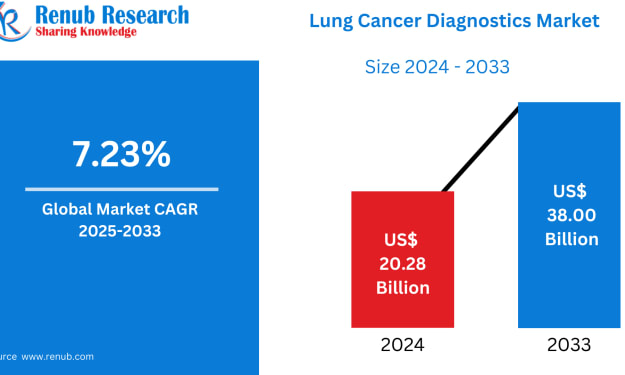
Lung Cancer Diagnostics Market Size and Forecast 2025–2033
Introduction: A Market at the Center of Early Cancer Care Lung cancer remains one of the world’s most challenging public health burdens, accounting for millions of new cases and deaths each year. Yet the narrative around lung cancer is changing. Advances in imaging, molecular diagnostics, and biomarker-driven testing are moving detection earlier, improving treatment selection, and ultimately extending survival. This transformation is reflected in the expanding commercial landscape for diagnostic technologies.
By jaiklin Fanandish5 days ago in Longevity



Comments
There are no comments for this story
Be the first to respond and start the conversation.