

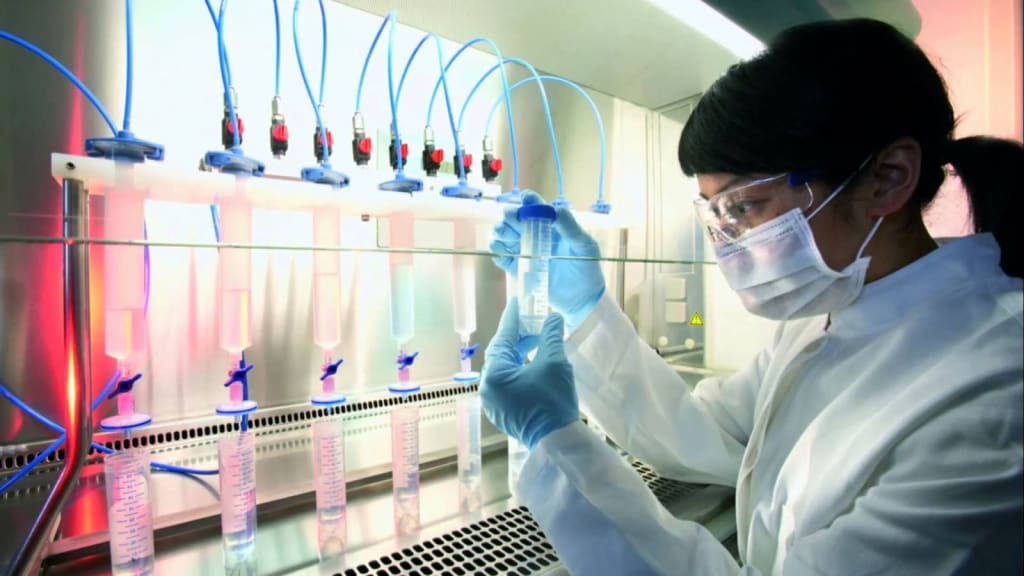
Every human body has special cells that, when they divide, have the potential to become any specific cell with a certain function such as blood cells, brain cells, or muscle cells. However, a type of stem cell called adult stem cells are limited. There are specific stem cells that can only grow into certain organ tissue. For example, humans have liver stem cells that can only grow into liver cells and not into any other type of organ or tissue. Embryonic stem cells are not limited in this way. In a blastocyst, or a fertilized egg that has not yet attached to the uterine wall, there are millions of stem cells that have the potential to grow into any type of tissue. The eggs used for stem cell research are not extracted from a woman’s body, but rather from a fertilized egg in a petri dish. Many scientists want to use the flexibility and potential of stem cell research to better human life and ease suffering. However, there are those who oppose the use of these type of cells. One cause of the controversy of this issue is that in many cases, the blastocyst is destroyed in the process of extracting the stem cells. For almost 20 years, scientists have been debating back and forth about the ethics of stem cell research, specifically concerning embryonic stem cells.
Those who oppose stem cell research are also a part of groups such as religious groups or anti-abortion groups. They say that destroying an embryo for its cells is the same as destroying an unborn child. Many who are against the research hold the same beliefs of those who are against abortion. They say that it is our duty to respect the value and potential of human life and it is inhumane to destroy a human embryo that has the potential to grow into a baby.
Another argument that those against stem cell research make is that there is not significant evidence that stem cells help or cure anyone. Also, the research is expensive and costly. Many don’t want the government to fund the research and have their tax dollars to go toward stem cell research, regardless of whether it is permitted.
The scientists that support embryonic stem cell research say that it is the human population’s responsibility to attempt to eliminate human suffering. They argue that they can use the stem cells to create new types of medicinal treatments or they can grow new organs for patients desperately waiting an organ transplant list. Currently, there is no possible way to make synthetic blood. Those who need blood rely on others who have donated blood to organizations such as the Red Cross. With stem cell research, creating synthetic blood is now a possibility. Doctors can even grow new skin for burn victims or patients with other skin conditions. The potential for embryonic stem cell research sparks hope for patients with conditions or diseases such as Parkinson’s disease, diabetes, Alzheimer’s, spinal cord injuries, heart disease, and blood disorders.
Another point that supportive scientists bring up is that many countries, such as Italy, ban stem cell research, but still legalize abortions. Abortions destroy fetuses that have been growing in the mother’s womb for several months. Stem cell research only extracts the cells from embryos that are not within the woman’s body, but in a petri dish. However, the difference is that stem cell research uses those embryos to further scientific and medicinal research, rather than having no use for the resulting embryo after an abortion.
Also, scientists discuss the matter of extra embryos left over after invitro fertilization treatment, or IVF. Embryos that are fertilized through IVF are done so in a petri dish. Hundreds of eggs are fertilized in a hope that one will become a baby in a woman’s womb. After a woman receives IVF treatment, there are still hundreds of eggs left frozen in storage and may never be used. Some are even discarded altogether. The doctors and scientists who support stem cell research urge many IVF recipients to donate some of their fertilized eggs in storage to the research and not waste potential of the egg.
Because of IVF and legal abortions, many supporters of stem cell research argue that the process of extracting stem cells cannot be compared to killing an unborn fetus because the fate of the embryo was disposal after the procedure. They also argue that the embryo does not have the same rights as a fetus growing inside the mother’s womb because the stem cells are extracted before the embryo develops vital organs or has become consciously aware.
Both the supporters and those who are opposed to stem cell research are concerned for the well-being of humanity. Those who are against the research want to preserve human life and they think of the potential of the human life that can come from an embryo. Those who support stem cell research think of patients who suffer from incurable diseases and must live with the constant symptoms of their illness. The debate is similar to that of abortion in that they focus on the state of the embryo. They debate what rights a human embryo has and whether or not we should use the cell extracted from the embryo to better society.
About the Creator
Keep reading
More stories from writers in Longevity and other communities.
Day 4 of Quitting
If this is how sobriety feels, maybe it’s better to go through life a little buzzed… this, along with other hits like, I want to kill myself, I wish I was dead, and I’m going to throw myself off a bridge have been the only thoughts on rotation these past few days. I promise myself that if, in a month, I still feel like this (‘this’ meaning despondent, full of rage, and simultaneously numb) I can go back to smoking. Until mid-February though? Nicotine is off the table.
By sleepy drafts6 days ago in Longevity


Comments
There are no comments for this story
Be the first to respond and start the conversation.