
Some of the possible negative effects of the habit of regular meditation
Some of the possible negative effects of the habit of regular meditation

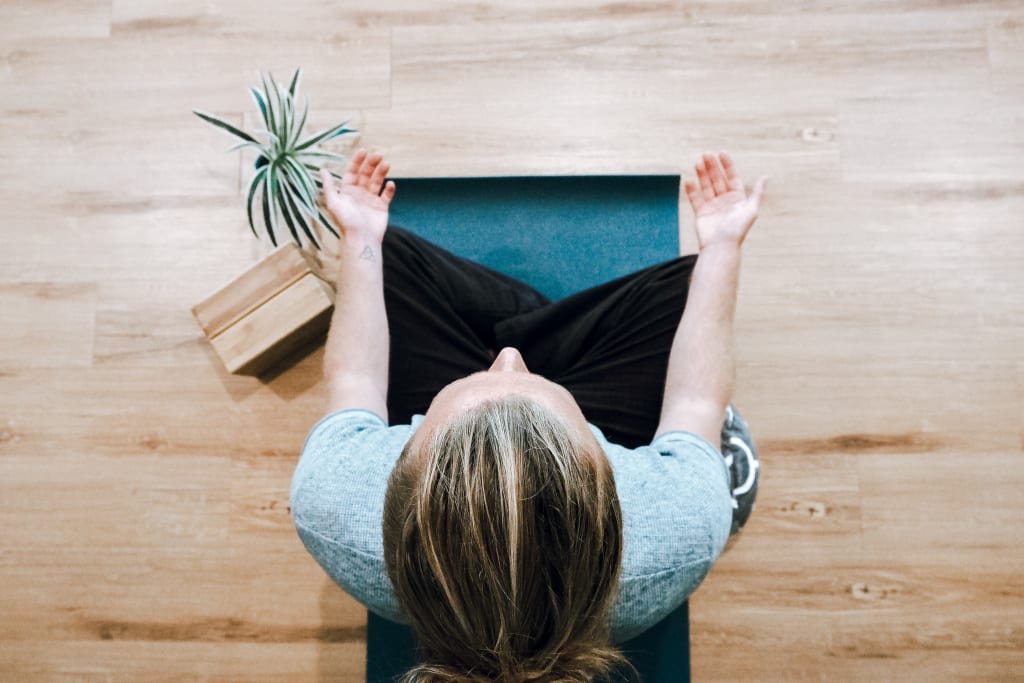
Meditation's physical, mental, emotional, and spiritual advantages are frequently mentioned in the news. The majority of people are aware of how mindfulness meditation can help you feel more grounded, calm, self-aware, and balanced. There is also a lot of clinical evidence to back up these assertions.
The benefits of meditation, like most things in life, aren't without drawbacks. Though there has been little research on the drawbacks of meditation, in 2017 a large study based on the experiences of dozens of meditation practitioners was published in the journal PLOS One (Public Library of Science). Researchers from the University of California and Brown University conducted the study, which illustrates how regular meditation can have some drawbacks.
"Meditation's advantages aren't without drawbacks."
Meditation has the potential to encourage negative thoughts.
Many people meditate because it allows them to become more hopeful. While the practise can help many people become more optimistic, it can also have the opposite impact in some people. In the 2017 study, nearly half of the meditating participants acknowledged to having deluded and unreasonable negative thoughts.
Meditation may promote negative thinking.
According to the 2017 study, entering deep meditative states can alter the perceptions of taste, hearing, and smell, enhance sensitivity to sound and light, cause hallucinations (such as seeing lights that aren't there), and distort the ability to perceive time and space. While many meditation practitioners seek these states for the pleasure they bring, studies believe that they can be counterproductive.
You may lose your motivation.
If you struggle to keep organised and prevent procrastination, regular meditation can make the task more difficult. According to a 2017 study, when done correctly, meditation brings the mind closer to sentiments of detachment from worldly desires. It's a condition that many meditators strive for, but it has the unintended consequence of making commitments like employment, and even enjoyable hobbies, appear unimportant and superfluous.
Negative memories may be replayed in your memory.
Meditation is often associated with a happy state of mind, and it has been shown to help with emotional well-being. Meditation, on the other hand, allows people to dive deeply into their brains, which can bring out previously suppressed negative memories. When their meditation revived old, unhappy memories, many participants in the 2017 study experienced melancholy, grief, and terror. However, bringing up such memories can be a good method to get rid of them.
Meditation has the potential to have bodily negative effects.
While meditation is a technique for shaping the mind's mental and emotional states, it can also have physical benefits. The participants in the 2017 study experienced negative bodily changes. The most prevalent negative symptoms among regular meditators were fatigue, headaches, and weakness.
You may notice changes in your self-perception.
Serious meditators were generally more aware of their bad attributes than other people, according to a 1992 study done at the University of California in Irvine. According to the findings of the 2017 study, several participants felt a loss of self-awareness and agency. Others said that meditation blurred the line they ordinarily saw between themselves and others. Whether these trends are perceived as favourable or harmful, they are unsettling to many people.
It's possible that you'll become asocial.
Meditation attempts to assist you in being more in tune with yourself, but it can also alter how you interact with others. Approximately half of the participants in the 2017 study said that deep meditation harmed their social abilities. Participants claimed that their social impairment had a detrimental impact on their personal and professional connections after attending a meditation retreat.
Being aware of the negative consequences of meditation can help you better understand how it makes you feel and, if required, discover strategies to compensate for them with other activities.
If you experience social impairment as a result of prolonged meditation, for example, you can try to compensate by scheduling time with friends and family.
By investing yourself in enjoyable, engaging activities, you can counteract the negative mental patterns that can arise as a result of meditation.
Knowing how meditation can influence you in different ways provides you the ability to plan how to deal with them for a positive outcome.
“Facing the mind is not easy! It’s very easy to talk about facing the mind, but it’s very difficult to face and transcend the mind!” — Satguru Sirio Ji
About the Creator
Keep reading
More stories from writers in Longevity and other communities.
Day 4 of Quitting
If this is how sobriety feels, maybe it’s better to go through life a little buzzed… this, along with other hits like, I want to kill myself, I wish I was dead, and I’m going to throw myself off a bridge have been the only thoughts on rotation these past few days. I promise myself that if, in a month, I still feel like this (‘this’ meaning despondent, full of rage, and simultaneously numb) I can go back to smoking. Until mid-February though? Nicotine is off the table.
By sleepy drafts12 days ago in Longevity
How Breathing Became Easier Without Me Noticing When
I cannot point to the exact moment it happened. There was no sudden breath of freshness. No noticeable shift in temperature. No sound of ventilation kicking on. If you had asked me that day whether anything had changed in the room, I would have said no.
By illumipure4 days ago in Longevity



Comments
There are no comments for this story
Be the first to respond and start the conversation.