
Sleeping in Total Darkness: The Simple Nightly Habit That Strengthens Your Brain and Protects Mental Health
Turning off all lights at night can boost brain health and protect mental well-being

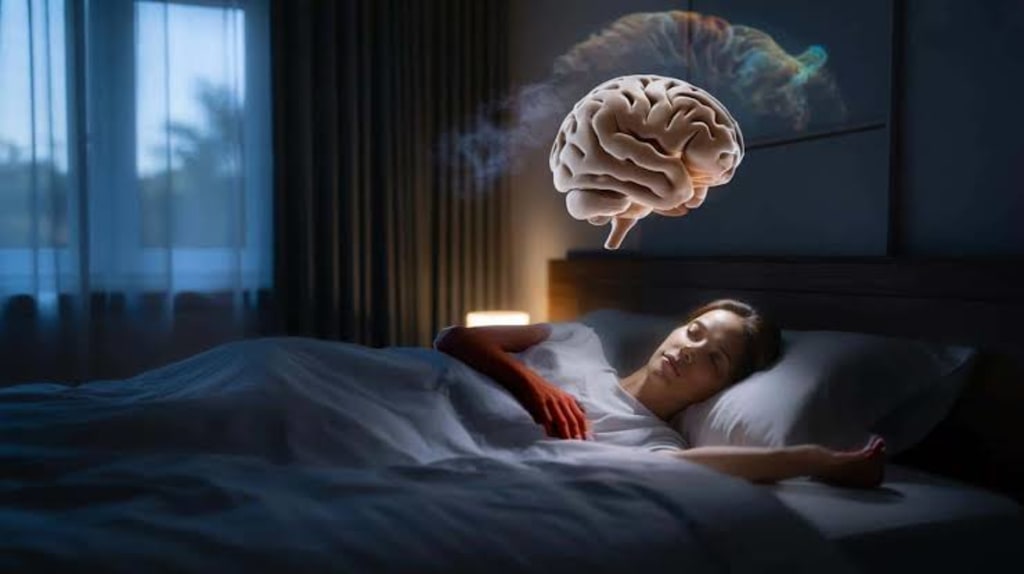
How turning off the lights at night can improve sleep, memory, and overall well-being
Sleep is essential for physical health, mental clarity, and emotional balance. While most people know that getting enough sleep is important, new research suggests that sleeping in complete darkness—without nightlights, electronic screens, or ambient light—can have profound benefits for your brain and mental health.
This simple nightly habit may enhance memory, reduce stress, and protect against cognitive decline, making it a powerful yet overlooked tool for overall wellness.
Why Darkness Matters for Sleep
The human body relies on circadian rhythms, an internal clock that regulates sleep and wake cycles. Light, particularly blue light from screens, can disrupt melatonin production, the hormone responsible for inducing sleep.
Key points include:
Melatonin regulation: Darkness signals the body to produce melatonin, helping you fall asleep faster and sleep more deeply.
Hormone balance: Proper sleep in darkness supports cortisol regulation, reducing stress and improving emotional stability.
Circadian alignment: Sleeping in darkness keeps your internal clock synced with natural day-night cycles, enhancing overall health.
Even low levels of light, such as streetlights or electronics, can interfere with these natural processes, reducing the quality of sleep and mental restoration.
Brain Benefits of Sleeping in Darkness
Sleeping in total darkness is not just about feeling rested—it has direct effects on brain function. Studies suggest that complete darkness during sleep can:
Improve memory and learning
Deep sleep phases, particularly slow-wave sleep, are critical for memory consolidation.
Darkness supports longer periods of uninterrupted deep sleep, which enhances problem-solving and information retention.
Boost cognitive performance
Sleep in darkness allows the brain to clear toxins accumulated during the day.
Improved brain detoxification can reduce mental fog and increase focus.
Protect against mental decline
Poor sleep and exposure to light at night are linked to higher risks of neurodegenerative diseases such as Alzheimer’s.
Maintaining complete darkness during sleep may slow cognitive decline over time.
Mental Health Advantages
Mental health is closely tied to sleep quality and circadian rhythms. Sleeping in total darkness can help:
Reduce anxiety and depression: Better melatonin regulation supports mood stabilization and reduces stress hormones.
Improve emotional resilience: Quality sleep strengthens the prefrontal cortex, which manages emotional responses.
Enhance stress management: Darkness promotes deeper restorative sleep, which helps the body recover from daily stressors.
Even small improvements in sleep quality can have significant effects on mental health and overall emotional balance.
Practical Steps to Achieve Total Darkness
Implementing this habit is easier than it may seem. Here are some tips:
Eliminate electronic light sources
Turn off phones, tablets, TVs, and laptops at least 30 minutes before bed.
Consider using blue light filters if devices are unavoidable.
Block external light
Use blackout curtains or blinds to prevent streetlights from entering the room.
Sleep masks can be helpful for travelers or those in brightly lit areas.
Dim or remove nightlights
Even small LED nightlights can interfere with melatonin production.
If necessary, use motion-activated red lights, which have minimal impact on sleep.
Create a bedtime routine
Go to bed at the same time every night to support circadian rhythms.
Avoid caffeine or stimulating activities close to bedtime.
Consistency is key; sleeping in darkness becomes more effective when paired with regular sleep schedules and healthy lifestyle habits.
Research Highlights
Several studies highlight the benefits of total darkness during sleep:
Sleep and brain health: Research shows that melatonin levels are significantly higher when sleeping in darkness, supporting memory consolidation and brain detoxification.
Mental health impact: A 2020 study found that individuals exposed to low light at night had higher rates of depression and anxiety symptoms.
Cognitive performance: Participants who slept in complete darkness scored better on memory and attention tasks compared to those exposed to ambient light.
These findings underscore that darkness is a critical yet often overlooked factor in restorative sleep.
Beyond Sleep: Lifestyle Benefits
Adopting total darkness at night may also improve:
Energy levels: Quality sleep increases morning alertness and productivity.
Metabolism: Proper melatonin and circadian regulation support healthy weight management and metabolic function.
Overall wellness: Better sleep contributes to immune system strength, reduced inflammation, and longer lifespan.
In short, turning off the lights at night is a low-effort, high-impact habit with benefits far beyond just feeling rested.
Conclusion
Sleeping in total darkness is a simple yet powerful nightly habit that strengthens the brain, protects mental health, and improves overall well-being. By eliminating even small sources of light, individuals can enhance memory, emotional resilience, and long-term cognitive health.
In a world filled with screens, artificial lighting, and constant stimulation, returning to natural darkness during sleep is a small change that can yield lasting benefits. For anyone looking to improve mental health, boost brain function, and enjoy restorative sleep, turning off the lights is a habit worth embracing tonight.
About the Creator
Fiaz Ahmed
I am Fiaz Ahmed. I am a passionate writer. I love covering trending topics and breaking news. With a sharp eye for what’s happening around the world, and crafts timely and engaging stories that keep readers informed and updated.
Keep reading
More stories from Fiaz Ahmed and writers in Longevity and other communities.
Inside Ukraine’s Top Drone Units Where Kills Earn Prizes
How elite drone operators are reshaping modern warfare and morale on the battlefield In the ongoing conflict in Ukraine, drone technology has become a decisive factor. Beyond reconnaissance and surveillance, Ukrainian forces are increasingly using drones to target enemy positions, vehicles, and personnel. Inside the country’s elite drone units, soldiers are reportedly rewarded for successful operations, with some receiving prizes or recognition for confirmed kills. The use of drones in warfare is transforming both tactics and morale, demonstrating how technology and incentive structures are influencing modern conflicts. The Rise of Drone Warfare in Ukraine Drones, sometimes referred to as unmanned aerial vehicles (UAVs), have dramatically altered the battlefield in Ukraine. They are relatively inexpensive, highly mobile, and capable of striking targets with precision. Key roles of drones in Ukraine include: Reconnaissance: Gathering intelligence on enemy positions and movements Targeting: Identifying and striking high-value targets Psychological impact: Instilling fear and disruption in enemy ranks Ukrainian drone units have reportedly become highly skilled, capable of executing complex operations that previously required much larger forces and resources. How Drone Units Operate Elite drone operators in Ukraine undergo specialized training, which includes: Technical mastery of drones and navigation systems Real-time decision-making under pressure Target identification and strike coordination Communication with ground forces for strategic impact Operators often use small, portable drones for tactical missions and larger UAVs for more destructive strikes. Precision, timing, and coordination are critical, as even minor errors can compromise an operation. Incentives and Prizes for Kills Reports indicate that some units have reward systems in place for confirmed strikes or high-value kills. These incentives are intended to: Boost morale and motivation among operators Encourage precision and effectiveness Recognize skill in high-risk, high-stakes operations Prizes may range from public acknowledgment, medals, or equipment upgrades to monetary awards in some cases. While controversial, these incentives reflect a practical approach to motivating highly specialized personnel in a high-stress environment. Ethical and Tactical Implications The practice of offering prizes for kills raises ethical questions: Is incentivizing lethal action appropriate, even in war? Could it encourage risk-taking or reckless behavior? How does this affect long-term psychological well-being of operators? Military analysts argue that structured recognition programs can improve morale and operational effectiveness if carefully managed. At the same time, oversight is crucial to ensure that rewards do not compromise rules of engagement or international law. Technology Driving Modern Combat Drone warfare is part of a broader trend in modern combat, where small, agile units leverage technology to achieve disproportionate results. Ukraine’s adoption of UAVs demonstrates: Cost-effective force multiplication Ability to disrupt larger, conventional forces Enhanced situational awareness and rapid response Western military advisors have noted that drones in Ukraine provide a significant tactical advantage, especially when integrated with intelligence from satellites, ground forces, and cyber operations. Impact on Morale and Warfare Culture Recognition programs for drone operators can significantly influence unit cohesion and morale. Soldiers who feel their skill and effort are acknowledged are more likely to: Perform effectively under pressure Innovate tactics and improve mission success Maintain commitment during prolonged conflicts At the same time, such programs contribute to a culture where technology and personal performance are closely linked, highlighting the evolving nature of military honor and achievement. Challenges and Limitations Despite their effectiveness, drone units face challenges: Vulnerability to jamming, hacking, or anti-drone defenses Limited payload for destructive operations Psychological stress on operators responsible for life-and-death decisions Risk of escalation if drones are used improperly Commanders must balance operational incentives with strategic prudence to ensure that drone deployments achieve their intended effect without unintended consequences. The Future of Drone Warfare Ukraine’s elite drone units illustrate how modern militaries are adapting to technological change and asymmetric warfare. Analysts suggest: Drone incentives may become more common in other conflicts UAVs will continue to supplement traditional forces Integration of AI and autonomous systems could further enhance effectiveness The ongoing conflict demonstrates that drones are no longer auxiliary tools—they are central to modern strategy, morale, and battlefield outcomes. Conclusion Inside Ukraine’s top drone units, operators are combining skill, technology, and strategic thinking to redefine modern combat. The practice of awarding prizes for confirmed strikes illustrates a unique approach to boosting morale and rewarding excellence in high-pressure environments. While ethical questions remain, there is no doubt that drones have become one of the most influential tools in contemporary warfare, shaping tactics, outcomes, and the culture of modern military operations. Ukraine’s experience provides a window into the future of combat, where technology and human skill intersect in profound and often controversial ways.
By Fiaz Ahmed about 9 hours ago in Longevity
Day 4 of Quitting
If this is how sobriety feels, maybe it’s better to go through life a little buzzed… this, along with other hits like, I want to kill myself, I wish I was dead, and I’m going to throw myself off a bridge have been the only thoughts on rotation these past few days. I promise myself that if, in a month, I still feel like this (‘this’ meaning despondent, full of rage, and simultaneously numb) I can go back to smoking. Until mid-February though? Nicotine is off the table.
By sleepy drafts18 days ago in Longevity



Comments
There are no comments for this story
Be the first to respond and start the conversation.