
Simple Lifestyle Changes to Improve Your Heart Health
10 proven changes.

Heart health is essential for longevity and overall well-being, and even minor adjustments in daily routines can significantly impact cardiovascular health. Here are some straightforward lifestyle changes that can protect and strengthen your heart:
1. Prioritize a Balanced Diet
A heart-healthy diet focuses on whole foods rich in essential nutrients, fiber, and healthy fats while limiting processed foods and added sugars. Consider these dietary shifts:
Eat More Fruits and Vegetables: These are packed with fiber, vitamins, and antioxidants that protect the heart. Aim for a colorful variety to maximize nutrients.
Choose Whole Grains: Whole grains like oats, brown rice, and quinoa can help lower cholesterol and stabilize blood sugar, reducing cardiovascular strain.
Opt for Healthy Fats: Use sources like olive oil, avocados, nuts, and fatty fish (like salmon) for beneficial omega-3 fatty acids, which support heart health.
Limit Processed Foods and Sugar: Processed foods often contain high levels of unhealthy fats, sodium, and sugars, all of which are linked to increased heart disease risk.
2. Incorporate Regular Exercise
Physical activity is one of the best ways to strengthen the heart, as it helps manage weight, lower blood pressure, and improve circulation. Try to incorporate:
Aerobic Exercise: Activities like brisk walking, jogging, or cycling improve heart rate and endurance. Aim for 150 minutes of moderate aerobic exercise weekly.
Strength Training: Building muscle through resistance exercises (such as weightlifting) can aid in weight management and improve metabolism, indirectly benefiting heart health.
Simple Activity Boosts: If a structured workout is challenging, small actions like taking the stairs, walking during breaks, or stretching throughout the day can still benefit cardiovascular function.
3. Reduce Stress Levels
Chronic stress can lead to elevated blood pressure and increased inflammation, which impact heart health. Simple ways to manage stress include:
Practice Mindfulness or Meditation: Just a few minutes a day of focused breathing or meditation can reduce stress hormones and improve overall mental health.
Find Joy in Hobbies: Engaging in activities you enjoy, such as painting, cooking, or gardening, can be a therapeutic way to release stress and improve mood.
Prioritize Social Connections: Spending time with loved ones can have a positive impact on mental well-being, reducing feelings of loneliness and stress.
4. Get Quality Sleep
Poor sleep quality has been linked to an increased risk of heart disease, as it affects blood pressure, inflammation levels, and the body’s ability to manage stress. Focus on:
Establishing a Regular Sleep Schedule: Going to bed and waking up at the same time each day supports better circadian rhythm.
Creating a Relaxing Bedtime Routine: Activities like reading, stretching, or practicing relaxation techniques can help signal your body that it’s time to wind down.
Limiting Screen Time Before Bed: Reducing exposure to screens at least an hour before bedtime can improve sleep quality by minimizing blue light, which disrupts melatonin production.
5. Limit Alcohol and Avoid Smoking
Both alcohol and tobacco use are major risk factors for heart disease:
Limit Alcohol Consumption: The occasional drink may be fine, but excess alcohol consumption is linked to high blood pressure and heart disease. Stick to the recommended guideline of up to one drink per day for women and two for men.
Quit Smoking: Smoking damages blood vessels, raises blood pressure, and accelerates plaque buildup in arteries, all of which are harmful to heart health. Quitting smoking is one of the best choices you can make for your heart, and it brings immediate benefits.
6. Monitor Blood Pressure and Cholesterol Levels
High blood pressure and cholesterol levels are silent threats to heart health. Regular monitoring allows you to take action before issues become severe.
Get Regular Checkups: Visit your doctor regularly for blood pressure and cholesterol screenings, especially if you have a family history of heart disease.
Make Dietary Adjustments: A diet low in saturated fats, trans fats, and sodium can help keep both cholesterol and blood pressure in check.
Stay Active and Hydrated: Physical activity and adequate hydration both play roles in maintaining balanced blood pressure and healthy cholesterol levels.
7. Manage Your Weight
Excess weight strains the heart, especially with abdominal fat, which is associated with higher cardiovascular risk. Aim for:
Gradual Weight Loss: Quick fixes and crash diets aren’t sustainable. Focus on a steady, gradual weight loss if necessary, through a balanced diet and regular exercise.
Setting Realistic Goals: Small steps, like cutting out sugary drinks or walking after meals, can make a big difference over time.
8. Stay Hydrated
Adequate hydration supports circulation, blood pressure, and overall energy levels. When dehydrated, the heart must work harder to pump blood. To stay hydrated:
Drink Water Regularly: Aim to drink throughout the day, as hydration supports blood flow and reduces the risk of blood clots.
Limit Caffeinated and Sugary Drinks: While coffee can offer health benefits, too much caffeine can affect hydration. Opt for plain water, herbal teas, and occasionally flavored water to stay hydrated without added sugars.
9. Practice Portion Control
Overeating can lead to weight gain, which stresses the heart. By practicing portion control:
Use Smaller Plates: Using smaller dishes can naturally encourage smaller portions, which can help prevent overeating.
Practice Mindful Eating: Paying attention to hunger and fullness cues can help you avoid overeating, especially with calorie-dense foods.
Balance Your Plate: Include a good portion of vegetables, lean protein, and whole grains to create a balanced, satisfying meal without excessive calories.
10. Focus on Regular Checkups
Routine checkups allow for early detection of heart-related issues, which makes treatment and lifestyle adjustments more effective:
Get Routine Blood Tests: Blood tests can reveal cholesterol levels, blood sugar, and other markers that affect heart health.
Screen for Diabetes: Since diabetes is a major risk factor for heart disease, regular screenings are essential, especially if you have a family history.
Follow Up on Symptoms: If you experience chest pain, shortness of breath, or frequent fatigue, seek medical advice promptly.
Final Thoughts
Improving heart health doesn’t require drastic changes; small, sustainable adjustments can have long-term benefits. By focusing on nutrition, regular activity, stress management, and routine health checks, you can strengthen your heart and reduce your risk of cardiovascular disease. These changes can be the foundation of a healthy lifestyle that supports not only your heart but your entire body.
About the Creator
Keep reading
More stories from DIGITAL HUB and writers in Longevity and other communities.
How Much Salt Is Too Much? Sodium’s Impact on Your Heart
Salt, or sodium chloride, is an essential nutrient that the body uses to manage fluid balance, support nerve and muscle function, and regulate blood pressure. However, excessive sodium intake is a major contributor to high blood pressure, which is a leading risk factor for heart disease and stroke. Understanding how much salt is too much—and how it affects your heart—can help you make informed choices for better health.
By DIGITAL HUBabout a year ago in Longevity
Day 4 of Quitting
If this is how sobriety feels, maybe it’s better to go through life a little buzzed… this, along with other hits like, I want to kill myself, I wish I was dead, and I’m going to throw myself off a bridge have been the only thoughts on rotation these past few days. I promise myself that if, in a month, I still feel like this (‘this’ meaning despondent, full of rage, and simultaneously numb) I can go back to smoking. Until mid-February though? Nicotine is off the table.
By sleepy drafts14 days ago in Longevity
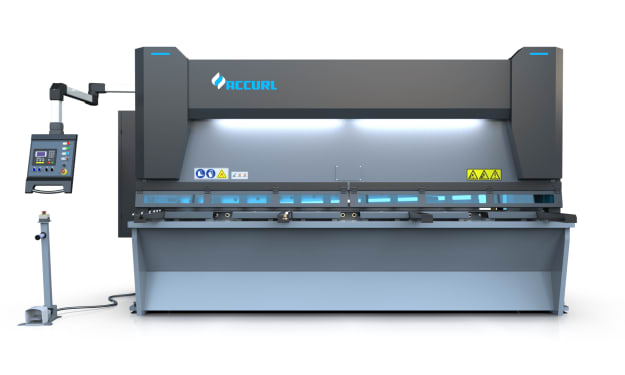
Is a Guillotine Machine Right for Your Business? Key Factors to Consider
Choosing the right cutting equipment is a critical decision for any fabrication, engineering, or manufacturing business. Whether you’re handling occasional sheet metal work or running high-volume production, the tools you use directly affect accuracy, efficiency, and profitability. One option many businesses consider is a guillotine machine, but is it the right fit for your operation?
By Axe Statusa day ago in Longevity



Comments
There are no comments for this story
Be the first to respond and start the conversation.