
Sex Addiction Unmasked: Laughing Through the Recovery Journey
From Shame to Self-Awareness: The Road to Freedom


Sex addiction, a.k.a. hypersexuality, often hides under stigma and misunderstanding. But here's the kicker: while it thrives on secrecy, its solutions demand the opposite—openness, connection, and self-awareness. Let’s peel back the layers of this misunderstood condition and uncover how to break free, one honest step at a time.
What Is Sex Addiction?
Sex addiction is the compulsive pursuit of sexual activity to the detriment of daily life. It’s not about high libido but losing control. Picture this: someone prioritizes sexual behaviors—like compulsive masturbation, excessive pornography use, or risky encounters—over their relationships, job, and health. It’s not pleasure anymore; it’s escape.
Symptoms That Signal a Problem
- Preoccupation: Sexual thoughts dominate their day.
- Loss of Control: Repeated failed attempts to curb behaviors.
- Secretive Actions: Hiding habits from loved ones.
- Emotional Turmoil: Guilt, shame, or anxiety follow the behaviors.
- Disruption: Work, relationships, and social life suffer.
A Key Difference: Hypersexuality vs. Addiction
While hypersexuality may amplify desire, it doesn’t always bring guilt or life disruption. Addiction, however, traps people in cycles of shame and compulsion.
Why Does Sex Addiction Happen?
The roots of sex addiction run deep. Emotional pain, neurochemical imbalances, or unresolved trauma can all fuel the cycle.
Emotional Pain Drives Escape
Many use sex to numb loneliness, anxiety, or depression. The temporary relief feeds the addiction.
Brain Chemistry Plays a Role
Addiction hijacks the brain's reward system, particularly dopamine. Over time, the brain craves more stimulation, perpetuating compulsive behavior.
Trauma and Genetics Set the Stage
Unresolved childhood trauma, especially sexual abuse, often contributes. Some people may also inherit genetic predispositions to addiction.
Medication Side Effects
Certain drugs, like dopamine-enhancing medications for Parkinson’s, can increase sexual compulsions.
Understanding the causes lays the groundwork for effective solutions.
Consequences of Sex Addiction
Unchecked sex addiction can devastate a person’s life. The fallout includes:
- Health Risks: Multiple partners increase the risk of STIs.
- Mental Strain: Guilt and shame exacerbate anxiety or depression.
- Relationship Damage: Trust erodes, often leading to breakups.
- Social Isolation: Embarrassment pushes people away from loved ones.
- Career Impacts: Poor focus and absenteeism jeopardize work stability.
The Road to Recovery: Yes, It’s Possible
Breaking free from sex addiction requires commitment, professional help, and often a sense of humor to endure the awkward moments of self-discovery.
Step 1: Seek Therapy
Cognitive Behavioral Therapy (CBT) helps individuals identify triggers and develop healthier coping mechanisms. Group settings, like Sex Addicts Anonymous (SAA), provide solidarity and shared wisdom.
Step 2: Address Co-Occurring Issues
Many addicts battle depression or anxiety. Treating these conditions strengthens recovery efforts.
Step 3: Build Healthy Habits
Replacing compulsive behaviors with exercise, hobbies, or mindfulness creates space for healing. Find what uplifts and grounds you.
Step 4: Medication When Necessary
For some, antidepressants or other medications can regulate mood and reduce compulsive urges. Work with a specialist to find the right approach.
Treatment is a process, but with the right tools, change becomes attainable.
Breaking Stigma: Let’s Talk About It
The shame surrounding sex addiction keeps many from seeking help. Society often conflates addiction with moral failure, but it’s a mental health issue deserving empathy. Conversations and education can dismantle these harmful misconceptions.
Success Stories: Proof of Possibility
Take Jim, a former sex addict who now leads SAA meetings. By confronting his trauma and leaning into therapy, he rebuilt his marriage and regained control of his life. Stories like his remind us that recovery is within reach.
Key Takeaways
Sex addiction is a condition, not a character flaw.
Recovery starts with self-awareness and professional help.
Education and open dialogue reduce stigma.
Let’s replace shame with understanding and hope.
About the Creator
Alain SUPPINI
I’m Alain — a French critical care anesthesiologist who writes to keep memory alive. Between past and present, medicine and words, I search for what endures.
Keep reading
More stories from Alain SUPPINI and writers in Longevity and other communities.
Mastering French Without Losing Your Sanity: A Realistic Guide for Beginners
Learning French can feel like solving a Rubik’s Cube blindfolded. The tricky pronunciation, the never-ending grammar rules, and the surprising exceptions make it seem impossible. But don’t worry—equipping yourself with key expressions and effective strategies can turn frustration into fluency. Let’s simplify French and make learning enjoyable.
By Alain SUPPINIExclusive • 11 months ago
Day 4 of Quitting
If this is how sobriety feels, maybe it’s better to go through life a little buzzed… this, along with other hits like, I want to kill myself, I wish I was dead, and I’m going to throw myself off a bridge have been the only thoughts on rotation these past few days. I promise myself that if, in a month, I still feel like this (‘this’ meaning despondent, full of rage, and simultaneously numb) I can go back to smoking. Until mid-February though? Nicotine is off the table.
By sleepy drafts11 days ago in Longevity
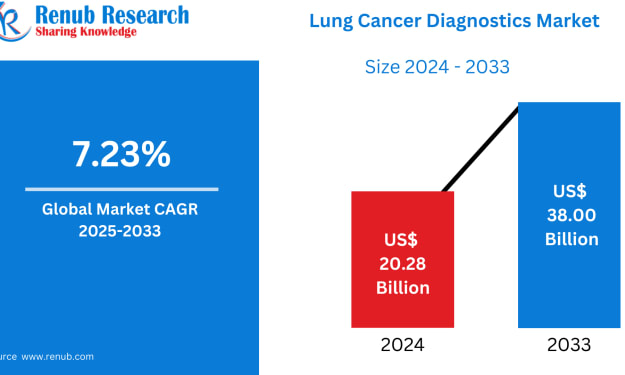
Lung Cancer Diagnostics Market Size and Forecast 2025–2033
Introduction: A Market at the Center of Early Cancer Care Lung cancer remains one of the world’s most challenging public health burdens, accounting for millions of new cases and deaths each year. Yet the narrative around lung cancer is changing. Advances in imaging, molecular diagnostics, and biomarker-driven testing are moving detection earlier, improving treatment selection, and ultimately extending survival. This transformation is reflected in the expanding commercial landscape for diagnostic technologies.
By jaiklin Fanandish4 days ago in Longevity
Center Stage with Paul Stewart
*** I'm keen to republish the interviews I did for my series with Vocal creators. It's been a few years and I thought it might be nice to revisit these wonderful conversations. I'll be releasing them one at a time for a few weeks/months.
By Heather Hubler3 days ago in Interview



Comments
There are no comments for this story
Be the first to respond and start the conversation.