
Seagoing Nuclear Power is a Great Commercial Opportunity for Britain
Floating nuclear reactors could position Britain as a global energy and technology leader

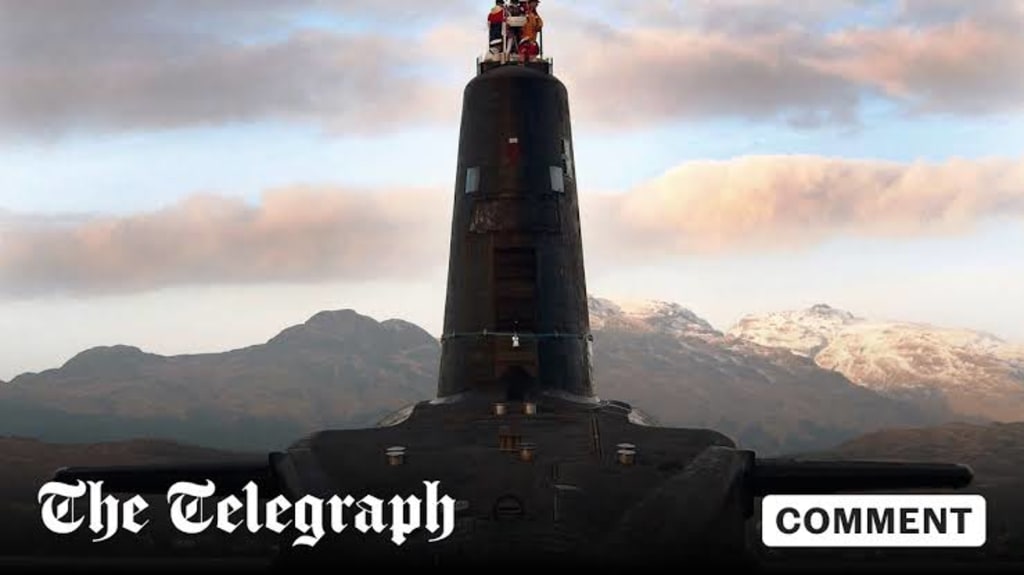
Floating nuclear technology could transform energy, industry, and global exports
Britain is exploring a bold path in energy innovation: seagoing nuclear power. Also known as floating nuclear reactors, this technology has the potential to revolutionize how energy is produced, delivered, and exported. Experts suggest that Britain’s existing nuclear expertise, combined with its shipbuilding capabilities, could position the country as a leader in this emerging industry.
The concept is simple in theory: a nuclear reactor mounted on a ship or floating platform generates electricity and can either supply power to remote regions or export it internationally. For a nation seeking to expand its energy influence, this represents both a commercial and strategic opportunity.
Why Floating Nuclear Reactors Matter
Floating nuclear technology is not entirely new. Countries like Russia have already deployed nuclear-powered vessels to supply electricity to isolated areas. However, Britain has several advantages that could make it a global competitor:
Advanced nuclear expertise: The UK has decades of experience in nuclear energy, including research, engineering, and safety.
Strong shipbuilding history: Britain’s shipyards are capable of constructing complex vessels required for floating reactors.
Global demand: Many countries and regions need reliable, clean energy, especially in remote areas with limited infrastructure.
A single floating reactor can produce hundreds of megawatts of electricity, enough to power cities, industrial zones, or energy-intensive projects. For Britain, exporting this technology could open new revenue streams and strengthen international influence in energy markets.
Economic and Commercial Potential
Experts say that floating nuclear reactors could become a major commercial industry for Britain. Several factors make this particularly appealing:
Export Opportunities: Nations in Africa, Asia, and remote islands could buy or lease floating reactors to meet energy demands without building traditional power plants.
Energy Security: Floating reactors can be relocated in case of emergencies or geopolitical risks, offering flexible energy supply solutions.
Industrial Growth: The development, construction, and maintenance of these vessels could create thousands of high-skilled jobs in engineering, shipbuilding, and nuclear technology.
Environmental Impact: Nuclear power produces low greenhouse gas emissions, helping Britain and its customers meet climate goals.
Analysts believe that if Britain moves quickly, it could capture a significant share of a market currently dominated by Russia and other nuclear exporters.
Safety and Regulation Challenges
While the opportunities are significant, there are challenges. Nuclear reactors require strict safety standards, particularly when placed at sea. Potential risks include:
Accidents or malfunctions in rough seas
Security concerns, including terrorism or piracy
Disposal of radioactive waste
Regulatory hurdles for international deployment
Britain would need robust legal and safety frameworks to ensure that floating nuclear reactors are reliable and secure. This could include international treaties, marine safety standards, and partnerships with nations purchasing the technology.
Technological Advantages of Floating Nuclear Power
Floating nuclear reactors have several unique benefits over traditional land-based plants:
Mobility: They can be moved to regions that experience temporary energy shortages.
Scalability: Smaller reactors can be added as demand grows.
Speed of Deployment: Constructing reactors at shipyards and towing them to destinations is often faster than building traditional plants.
Disaster Resilience: Being offshore can reduce the risk of flooding or land-based accidents affecting communities.
These advantages make floating nuclear reactors particularly attractive for industrial zones, remote communities, and developing nations seeking reliable power.
Strategic and Geopolitical Significance
Floating nuclear power is not only about economics—it has a geopolitical dimension. Nations that develop this technology gain influence over global energy markets. Britain, with its history of international trade and diplomacy, could use floating reactors to:
Strengthen partnerships with energy-hungry countries
Promote low-carbon energy solutions worldwide
Enhance its position as a technological leader in nuclear innovation
Experts note that energy technology has historically been a source of soft power, and floating reactors could serve both economic and diplomatic purposes for Britain.
Next Steps for Britain
To fully capitalize on floating nuclear power, Britain will need to:
Invest in R&D: Developing safer, smaller, and more efficient floating reactors.
Upgrade shipbuilding infrastructure: Shipyards must be capable of constructing complex nuclear vessels.
Engage international partners: Build trust and regulatory frameworks for exporting reactors.
Address public concerns: Communicate safety and environmental measures to gain public and political support.
If these steps are taken, floating nuclear power could become a multi-billion-pound industry, creating jobs and boosting Britain’s influence in global energy markets.
Conclusion
Seagoing nuclear power offers Britain an unprecedented commercial opportunity. By combining its nuclear expertise, shipbuilding skills, and diplomatic reach, the UK could lead a new era in offshore energy production.
Floating reactors promise clean, reliable, and flexible energy, while also providing economic, industrial, and geopolitical benefits. Although challenges exist, careful planning, investment, and regulation could make Britain a global pioneer in this emerging field, redefining the future of energy on both land and sea.
About the Creator
Fiaz Ahmed
I am Fiaz Ahmed. I am a passionate writer. I love covering trending topics and breaking news. With a sharp eye for what’s happening around the world, and crafts timely and engaging stories that keep readers informed and updated.
Keep reading
More stories from Fiaz Ahmed and writers in Longevity and other communities.
In the Desert, They Are Building an “Artificial Sun” to Power Cities
How cutting-edge solar technology could transform energy production In a vast desert, engineers and scientists are working on a groundbreaking project: building an “artificial sun” to provide clean and nearly limitless energy for cities. This ambitious initiative aims to replicate the power of the sun on Earth, using advanced solar technology to generate electricity more efficiently than conventional solar panels.
By Fiaz Ahmed 2 days ago in Longevity
Day 4 of Quitting
If this is how sobriety feels, maybe it’s better to go through life a little buzzed… this, along with other hits like, I want to kill myself, I wish I was dead, and I’m going to throw myself off a bridge have been the only thoughts on rotation these past few days. I promise myself that if, in a month, I still feel like this (‘this’ meaning despondent, full of rage, and simultaneously numb) I can go back to smoking. Until mid-February though? Nicotine is off the table.
By sleepy drafts20 days ago in Longevity
Snow Emergency Level
Winter in Ohio can be unpredictable. One day roads are clear, and the next they’re buried under ice and snow. To keep residents safe during severe winter weather, the state uses a system known as snow emergency levels. These alerts help drivers understand road conditions and decide whether travel is safe. Knowing how these levels work can make a real difference during harsh winter storms. What Are Ohio Snow Emergency Levels? Ohio snow emergency levels are declared by county sheriffs based on road safety conditions. The system has three levels—Level 1, Level 2, and Level 3—each signaling a different degree of danger. These declarations are especially important during heavy snowfall, freezing rain, or blizzard-like conditions. Local authorities evaluate visibility, road ice, snow accumulation, and accident reports before issuing an alert. News outlets like 10TV and NBC4i regularly update residents on changing conditions, making it easier to stay informed in real time. Breakdown of Snow Emergency Levels Level 1: Exercise Caution A Level 1 snow emergency means roads may be slippery, especially on bridges and less-traveled streets. Travel is still permitted, but drivers are advised to slow down and remain cautious. Many Ohioans see this level frequently during light snow events. Level 2 Snow Emergency: Travel Only If Necessary A Level 2 snow emergency signals that road conditions are hazardous. Snow-covered roads, reduced visibility, and increased accident risk are common. Authorities recommend driving only if absolutely necessary. In cities like Columbus, residents often check weather Columbus Ohio updates before heading out. Employers may adjust work schedules, and schools sometimes move to delays or remote learning. Level 3 Snow Emergency: Roads Closed A Level 3 snow emergency is the most serious alert. Roads are considered extremely dangerous or impassable. Only emergency vehicles are legally allowed on the roads, and non-essential travel can result in fines or arrest. During severe winter storms, snow emergency Ohio declarations at Level 3 are taken very seriously, particularly in densely populated counties. Franklin County Snow Emergency Level Explained The Franklin County snow emergency level is closely watched because it affects Columbus and surrounding areas. With high traffic volume and busy highways, even moderate snowfall can quickly turn dangerous. When Franklin County reaches Level 2 or Level 3, local stations such as 10TV and NBC4i provide frequent updates alongside Columbus weather forecasts. Residents are encouraged to monitor official sheriff announcements rather than relying on social media rumors. Staying Updated on Current Snow Emergency Levels Checking current snow emergency levels should be part of every Ohio resident’s winter routine. Conditions can change quickly, especially during overnight storms. Reliable sources include: County sheriff websites and social media pages Local news outlets like NBC4i and 10TV Live Columbus Ohio weather broadcasts Emergency alert notifications on mobile devices In cities like Cleveland and Cincinnati, regional forecasts such as Cleveland weather and Cincinnati weather reports play a key role in early preparation. Snow Emergencies and Major Ohio Cities Columbus Because of its size and traffic density, weather Columbus Ohio updates are critical during winter storms. A Level 2 declaration often leads to lighter traffic, while Level 3 can bring the city to a near standstill. Cleveland Lake-effect snow frequently impacts northern Ohio. Cleveland weather reports often warn residents days in advance, but snow emergency levels can still change rapidly depending on accumulation and wind conditions. Cincinnati Although southern Ohio typically sees less snow, ice storms are common. Cincinnati weather alerts often focus on freezing rain, which can be just as dangerous as heavy snow. Why Snow Emergency Levels Matter Snow emergency levels are not meant to create panic. Their purpose is safety. Emergency responders need clear roads to reach people in need, and unnecessary travel during severe weather increases the risk of accidents. By respecting these alerts, residents help keep communities safer and allow road crews to clear streets more efficiently. Tips for Winter Preparedness Check current snow emergency levels before traveling Keep an emergency kit in your vehicle Follow local news for snow emergency Ohio updates Avoid unnecessary travel during Level 2 or Level 3 alerts Plan errands ahead when severe weather is forecast Final Thoughts Winter weather is a part of life in Ohio, but it doesn’t have to be dangerous. Understanding Ohio snow emergency levels, staying informed through trusted sources like 10TV and NBC4i, and respecting official travel advisories can help everyone get through the season safely. Whether you’re monitoring a Franklin County snow emergency level, checking Columbus weather, or keeping an eye on Cleveland weather, preparation and awareness are the best tools for winter survival. Staying off unsafe roads isn’t just smart—it’s responsible.
By Saboor Brohi 2 days ago in Longevity


Comments
There are no comments for this story
Be the first to respond and start the conversation.