
screen Time effect on vision
How does screen time have an impact on our vision as humans?

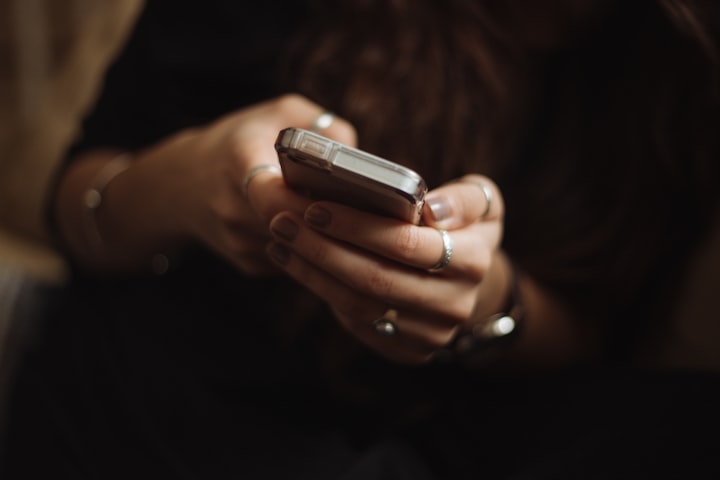
Many studies have shown that significant eye damage comes from the excessive screen use in a long period of time. Screen usage typically comes from computers and phones most of the time because that is what most people spend their time on a daily basis. It started when people were spending a long period of time exposing their eyes to a screen. Screen usage have developed over time, from watching TVs to working on computers to spending time on phones. By the late 1990s, 98 percent of U.S. homes had at least one television set, and those sets were on for an average of more than seven hours a day, and that was just the start of the crisis. Shortly after that, personal computers were in every office and almost every home around the world. It allowed us to be creative and connected to each other by the amount of programs developers have made and that made us feel happy, but on the other hand it made us addicted to it which has affected our vision negatively over the past few years. In 2008, the first iPhone came out and people were obsessed with it to the point where 7 million units were sold in less than a year. This number is crazily insane right now and according to the market, there are around 1.5 billion smartphones sold every year, which makes us wonder, how does that affect us as human beings? The purpose of this study was to collect the data of people who use their phones everyday and to see if they wear glasses/contacts or not. Our hypothesis is that people who spend a lot of time on their phone, typically tend to wear glasses or contacts, while people who have an average screen time have good vision. To find accurate results, we decided to survey students of our school by only making them answer two simple questions to test our hypothesis.

Our intention was to keep the surveys anonymous. We had no restrictions or requirements for this survey. We made the survey on google forms so that we can make it in the form of a QR code and ask people to scan it and then answer our two simple questions. We tried to make the process for participants seamless and easy as possible. Students were surveyed as well as teachers, friends, and family members had been surveyed as well. We went up to students from grade 10-12 and asked them to do our survey by simply scanning the code, which will lead them to the survey directly. Our group also put a link of our google form on snapchat and instagram so people can click on it and do the survey even in an easier way. Another way we conducted the survey was by printing copies for people who weren’t willing to use their phone or those who couldn’t scan our code. Since we had put links to our survey on social media the participants in this experiment were surveyed in many different countries around the world and their identity was totally anonymous. In this study, there were a total of 49 participants who agreed to do the survey.

Out of 56 people we have surveyed, 49 of them were pulled out to be included in our study. Not all participants seemed to be taking this seriously and in a mature way, therefore, we had to remove some responses. Some people have said inappropriate things on paper, others wrote their names and that is when we had to get rid of their responses. We have received 28 responses from our online version of the survey on google forms which was on the internet and we also had 21 responses from 4 different classes at the school, which makes up a total of 49 appropriate responses. The survey focused on how many people wear glasses or contacts due to their screen time on their phones. The results don’t have to be always accurate since there are still many people who are not 100 percent honest in the surveys, therefore, the results might have some deviation that could affect our theory.

After that we discussed it and the results of the experiment were shocking, but on the other hand, it was anticipated. We have found that out of 49 participants, their screen time on the phone was 288.65 hours and 14 of them wear glasses. When we created our hypothesis, we based it off of the way we had preconceived opinions where if someone wears glasses they must always be on their phone. Through our results we came to a conclusion that most people who wear glasses typically do not have a high screen time. Our study showed that most people's eyesight is not affected by their screen time. This is due to the fact that a lot of people that are wearing glasses or contacts have them for farsighted vision. Since our study showed that people who do not have a high screen time still wear glasses this proves that their reasoning for wearing glasses most likely comes from a different factor. Our survey could have been modified to ask more specific based questions instead of generalized questions. If there were any variables that might’ve played a role in our results it would most likely be how we had conveyed the questions presented in our survey. If we had to do this study again we would most likely change our targeted audience and choose people who are a lot older. This can affect our results by telling us that if someone who is a lot older than high school students would have bad vision due to their technology or not.

About the Creator
Keep reading
More stories from Mazen Ahmed and writers in Longevity and other communities.
Day 4 of Quitting
If this is how sobriety feels, maybe it’s better to go through life a little buzzed… this, along with other hits like, I want to kill myself, I wish I was dead, and I’m going to throw myself off a bridge have been the only thoughts on rotation these past few days. I promise myself that if, in a month, I still feel like this (‘this’ meaning despondent, full of rage, and simultaneously numb) I can go back to smoking. Until mid-February though? Nicotine is off the table.
By sleepy drafts9 days ago in Longevity



Comments
There are no comments for this story
Be the first to respond and start the conversation.