
Scientists Restore Brain Sugar Barrier and Reverse Memory Loss in Mice: A New Hope for Treating Cognitive Decline
Stanford scientists reverse memory loss in aging mice by restoring a sugar-based brain barrier, offering a groundbreaking approach to treating Alzheimer’s and cognitive decline.

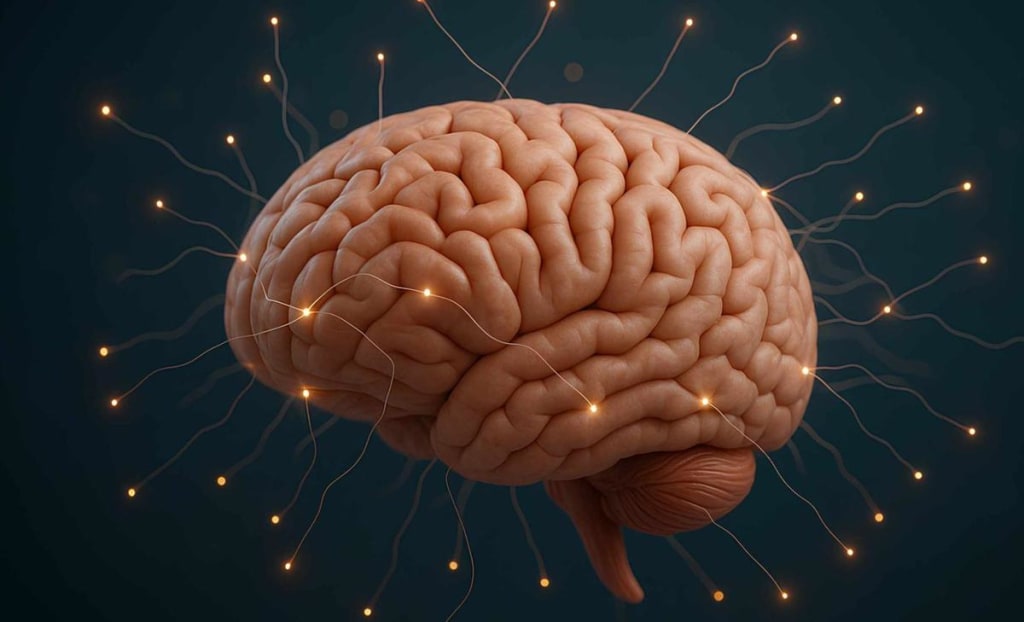
As people age, memory loss and cognitive decline often seem inevitable. But what if the root cause wasn't just the neurons inside the brain, but a protective sugar coating that quietly degrades over time? In a breakthrough discovery, researchers at Stanford University have uncovered a key player in age-related memory loss: the glycocalyx, a sugar-rich layer lining the blood-brain barrier. Even more exciting—they found a way to restore it and reverse memory decline in mice.
This revolutionary research, published on May 20, 2025, could reshape our understanding of brain aging and open doors to new treatments for conditions like Alzheimer’s and dementia.
What Is the Glycocalyx and Why Is It Important?
The glycocalyx is a thin but critical sugar layer that coats the blood vessels in the brain. Think of it as the brain's "sugar armor." It plays a vital role in maintaining the blood-brain barrier, which protects the brain from toxins, inflammation, and unwanted molecules circulating in the blood.
As we age, this sugar layer naturally thins out, especially in the smallest blood vessels deep in the brain. When the glycocalyx weakens, it compromises the blood-brain barrier, allowing harmful substances to leak in. This leakage can trigger inflammation, disrupt brain cell communication, and ultimately contribute to cognitive decline.
The team at Stanford, led by Nobel Prize-winning chemist Dr. Carolyn Bertozzi and PhD candidate Sophia Shi, suspected that reinforcing this sugar layer could improve brain health. And they were right.
The Groundbreaking Experiment That Reversed Memory Loss
In their study, researchers focused on restoring the brain’s glycocalyx in aging mice. The approach was surprisingly simple yet highly effective. Instead of introducing complex new drugs, they used specific sugar molecules known to naturally occur in the body to replenish the glycocalyx.
The results were remarkable.
After treatment, the older mice showed stronger blood-brain barriers, reduced inflammation, and, most importantly—improved memory. The team measured memory performance using a maze test. Before treatment, older mice often failed to navigate the maze effectively. But post-treatment, they performed almost as well as young mice.
This is the first time that restoring the glycocalyx has been shown to reverse memory decline in mammals. It suggests that the structure and integrity of the brain’s protective layers are just as crucial as neurons themselves when it comes to aging and cognition.
Why This Matters: A New Frontier in Alzheimer’s and Aging Research
Currently, most treatments for Alzheimer’s and other neurodegenerative diseases focus on targeting proteins in the brain like amyloid-beta or tau. However, these approaches have seen limited success in reversing the progression of the disease.
This new study takes a completely different angle: instead of targeting the brain's interior, it reinforces the brain's outer defenses. It’s a bit like fixing the fortress wall rather than trying to repair the damage inside after enemies have breached it.
By focusing on the glycocalyx, researchers are opening a promising new path for interventions that could delay or even reverse age-related cognitive decline.
What Comes Next? Human Trials and Glycocalyx Research
While the study was conducted in mice, the implications for human health are significant. The next steps for the Stanford team involve identifying which specific sugars are most effective in reinforcing the glycocalyx and how they interact with other protective systems in the body.
Dr. Bertozzi emphasized the importance of expanding our understanding of how sugar molecules function in the brain. “For decades, sugar biology was overlooked in neuroscience,” she explained. “But it turns out that sugars play a central role in maintaining the brain’s defenses.”
One challenge will be translating this research into safe, effective treatments for humans. However, since the approach uses sugars already found in the body, researchers are optimistic that future therapies could be well-tolerated and relatively non-invasive.
Could Your Diet Play a Role?
Though it’s too early to draw definitive conclusions, this research raises interesting questions about the relationship between diet, sugar metabolism, and brain health. While added sugars in processed foods are linked to negative health outcomes, certain natural sugars are essential to bodily functions—including the integrity of the glycocalyx.
In the future, we may see dietary supplements or functional foods designed to support the brain’s sugar layer as part of a proactive approach to cognitive health.
Conclusion: Sugar May Hold the Key to a Sharper Brain
This groundbreaking study from Stanford University reveals that age-related memory loss may not be a one-way street. By restoring a sugar-rich protective layer in the brain, scientists were able to improve memory in older mice, offering hope for millions affected by cognitive decline.
As research into the glycocalyx continues, we may soon enter a new era where preventing memory loss is as simple as nourishing our brain’s sweet defenses.
Stay tuned as scientists unravel more secrets of sugar biology—and bring us closer to effective treatments for Alzheimer’s, dementia, and beyond.
brain sugar layer
glycocalyx memory loss
cognitive decline reversal
Alzheimer’s new treatment
brain inflammation
blood-brain barrier aging
sugar and memory
brain health research
Stanford University brain study
Carolyn Bertozzi
About the Creator
Tech Horizons
Exploring the future of technology, AI, gadgets, and innovations shaping tomorrow. Stay updated with Tech Horizons!
Keep reading
More stories from Tech Horizons and writers in Longevity and other communities.
5 Daily Habits a US Doctor Recommends for Brain Health and Memory Enhancement
Keeping one's brain sharp and memory strong is a priority for many, particularly as we advance or encounter challenging cultures. Dr. Saurabh Sethi, Harvard- and Stanford-trained gastroenterologist based in California, recently shared recently important recently habits he maintains keeping his brain sharp. Not only do these habits aid in memory, but they also improve the overall cognitive function and emotional well-being.
By Tech Horizons10 months ago in Longevity
🍓 8 Best Fruits for Pregnant Women
Pregnancy is a time when nutrition becomes more important than ever. What a mother eats during these months directly supports the growth and development of her baby. Among the many healthy foods recommended during pregnancy, fruits stand out as one of the easiest and most nutritious options.
By Being Inquisitive2 days ago in Longevity
Silken Chains
Silhouettes of the female form were given flesh and bone. Silken skin glistened under the spotlight. Dry ice rose around our Icons as they danced atop their podiums in the Square. Heralded for their beauty, their movements were slight, powerful, and sensual.
By Paul Stewart6 days ago in Fiction


Comments
There are no comments for this story
Be the first to respond and start the conversation.