
Sciatica Pain: Causes And Effects
Stem Cell Therapy For Sciatica Pain

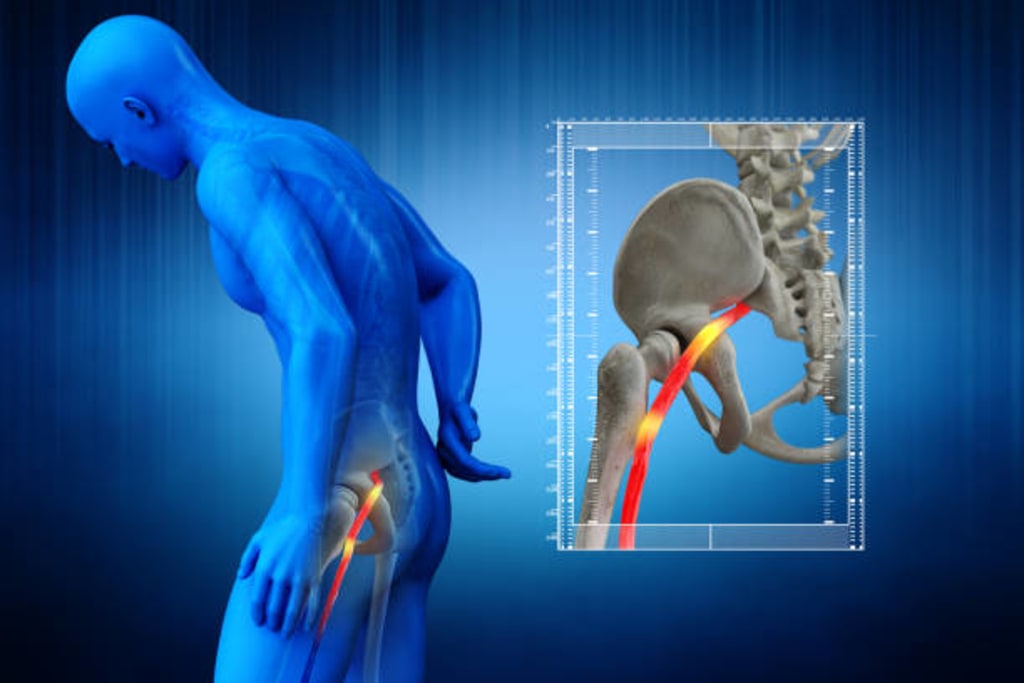
The sciatic nerve is the human body's largest nerve, created by the union of five nerve roots from the lower spine. It runs from the buttocks to the back of the thigh, ending at the heel and sole of the foot.
The sciatic nerve connects the spinal cord to the skin and muscles of the thigh, leg, and foot, and is extremely important.
Sciatica refers to any pain or neurological symptom that comes from the sciatic nerve.
Sciatica symptoms are most commonly noticed along the nerve's course.
Major Causes of Sciatica
Sciatica is a common symptom of a variety of medical disorders, but it is thought to be caused by a herniated (slipped) disc in 90% of cases. The spinal column is divided into three sections:
- vertebra (individual bones in the spine that protect underlying nerves)
- nerves
- discs
Cartilage is a strong and durable material that acts as a cushion between each vertebra and helps the spine to be flexible.
When a disc protrudes and puts pressure on the sciatic nerve, it is called a herniated disc.
Sciatica can also be caused by:
- A narrowing of the spinal cord in the lower back is known as lumbar spinal stenosis.
- A condition in which a disc slips forward over the vertebra below it is known as spondylolisthesis.
- Tumors in the spine — these can compress the sciatic nerve's root.
- Infection – which eventually affects the spine.
- Other factors can also play a role, such as a spinal injury.
- Cauda equina syndrome is an uncommon but serious condition that affects the nerves in the lower region of the spinal cord and necessitates medical intervention very away.
There is no single evident explanation for sciatica in many cases.
Symptoms of Sciatica Pain
Sciatica is characterised by pain that extends from your lower (lumbar) spine to your buttock and down the back of your leg.
The soreness can occur anywhere along the nerve pathway, but it's most likely to occur along a line that runs from your low back to your buttocks, as well as the back of your thigh and calf.
Pain can range from a dull discomfort to a sharp, searing sensation or severe agony. It can feel like a jolt or an electric shock at times.
Coughing or sneezing can make it worse, and sitting for lengthy periods of time might exacerbate symptoms. Only one side of your body is usually affected.
Numbness, tingling, or muscle weakness in the affected leg or foot are also common. You may experience pain in one portion of your leg while experiencing numbness in another.
When To See A Doctor
Mild sciatica generally disappears with time. If self-care approaches fail to relieve your symptoms, or if your pain lasts more than a week, is severe, or worsens over time, see your doctor. If you're experiencing any of the following symptoms, seek medical attention right away:
- You feel numbness or muscle weakness in your leg, as well as abrupt, acute pain in your low back or leg
- The discomfort occurs after a traumatic injury, such as a car accident
- You can't even keep your bowels or bladder under control
- How It Is Treated
- Alternatives to Surgery
How It is Treated
With at-home therapies, most people with sciatica get better in a few weeks. If your pain isn't too severe and isn't interfering with your everyday activities, your doctor may likely recommend a combination of these basic treatments.
Physical therapy
A physical therapist can help you build a stretching and exercise routine as well as change your posture to relieve strain on your sciatic nerve.
Alternative therapy
Alternative therapies such as yoga, massage, biofeedback, and acupuncture are said to help with sciatica by many people.
Medicines
Over-the-counter pain medicines should be your first choice. Acetaminophen and NSAIDs (nonsteroidal anti-inflammatory medicines) such as aspirin, ibuprofen, and naproxen are quite effective, but you should not use them for long periods of time without consulting your doctor.
How It Treated With Stem Cells?
For the treatment of sciatica nerve pain, stem cells are the best option.
They address the source of pain rather than concealing it with medicine or surgery, resulting in greater function and mobility as well as a shorter recovery time than surgical methods.
To help physical recovery, stem cells can differentiate into bone, cartilage, or fat cells.
When stem cells are introduced into a damaged location, they trigger a healing response, which regenerates and strengthens weakening tissue.
The potential of your body's regeneration to repair injuries to the sciatic nerve and surrounding soft tissues is used in stem cell treatment.
This type of treatment allows you to heal from the inside out, reducing your discomfort and increasing your general quality of life.
Diseased or damaged cells that cause discomfort are replaced with stem cells. Over time, new cells proliferate and form muscle or nerve tissue, lowering inflammation and radiating pain.
Without surgery and with minimal downtime and recuperation, stem cell treatment can relieve sciatic nerve compression.
Contact a reputable facility in your area, such as R3 Medical Institute if you're interested in stem cell therapy. This clinic is DRAP-approved and FDA-approved.
Visit our website to learn more about Sciatica or contact one of our trained Stem Cell Therapists to schedule a consultation.
About the Creator
Health Blogs
Digital Healthcare Markter and Researcher
Keep reading
More stories from Health Blogs and writers in Longevity and other communities.
Benefits of Hyperbaric Oxygen Therapy
In recent years, hyperbaric oxygen therapy (HBOT) has gained significant interest from both the medical community and wellness enthusiasts. Originally developed to treat deep-sea divers suffering from decompression sickness, hyperbaric chambers are now used for a wide range of medical conditions and recovery purposes. As research continues to expand, many people are discovering how powerful oxygen therapy can be when delivered in a controlled, pressurized environment.
By AnthonyBTV5 days ago in Longevity
The Physical and Mental Benefits of Helping Others
In the neverending pursuit toward longevity, one thread stands out time and time again: the connections we build with other people are the key healthy aging. Community involvement and volunteering play a significant role in improving both physical and mental health. When individuals actively participate in helping their communities—whether through local organizations, charities, schools, or neighborhood projects—they often experience meaningful benefits that extend beyond the act of service itself. By fostering social connections, encouraging active lifestyles, and providing a sense of purpose, volunteering can contribute to overall well-being and a healthier society.
By Andrew Elsoffer4 days ago in Longevity




Comments
There are no comments for this story
Be the first to respond and start the conversation.