
Run it Off
How Sports Help in Managing Stress and Improving Mental Health

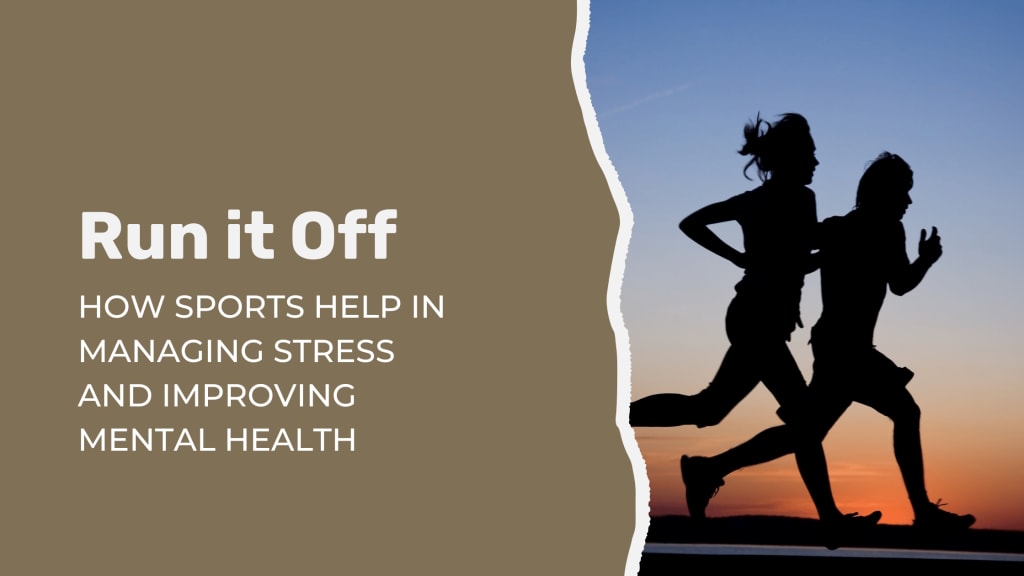
Stress has become an inevitable aspect of modern life, driven by work demands, family responsibilities, and everyday challenges that impact mental health. Although there are numerous ways to manage stress, engaging in sports and physical activity has proven to be highly effective in enhancing mental well-being. Sports enhance physical health and offer a wide range of psychological benefits, including stress management and improved mental health.
One primary way sports help manage stress is through the release of endorphins, often referred to as the "feel-good" hormones. Physical activity triggers the brain to produce these chemicals, which naturally elevate mood and reduce feelings of stress and anxiety. Whether it's running, swimming, or playing a team sport, physical exertion helps to release tension in the body and create a sense of relaxation. This natural high from endorphins can improve overall mental well-being, making it easier to cope with daily stressors.
Sports also provide an effective outlet for releasing pent-up energy and emotions. When stress levels rise, it can be difficult to process and manage emotions effectively. Physical activity allows individuals to channel their energy into something productive, helping to dissipate feelings of frustration, anger, or sadness. For example, hitting a tennis ball or running on a treadmill can be a healthy release for emotions that might otherwise build up and contribute to stress.
In addition to the physical benefits, sports can foster a sense of accomplishment and boost self-esteem. Setting and achieving fitness goals, whether it's running a certain distance, improving a personal best, or mastering a new skill, provides a sense of purpose and achievement. This sense of accomplishment can counteract negative thoughts and feelings of inadequacy that often accompany stress and anxiety. The confidence gained from succeeding in sports can also translate into other areas of life, helping individuals approach challenges with a more positive mindset.
Engaging in sports can also improve mental health by promoting social connections and reducing feelings of isolation. Many sports, such as soccer, basketball, or group fitness classes, involve teamwork and collaboration. Participating in these activities provides opportunities to connect with others, build friendships, and develop a support system. Social interaction is a key component of mental well-being, and being part of a team or community can provide a sense of belonging and reduce loneliness. Having people to share experiences with and offer encouragement can make managing stress easier and maintain a positive outlook.
Sports can also help cultivate mindfulness, a practice that involves staying present and fully engaged in the moment. When playing a sport, individuals are often focused on the task, whether making a shot, tracking a ball, or maintaining balance. This focus can help distract from worries and negative thoughts, providing a mental break from stress. Mindfulness in sports can promote a state of flow, where individuals are fully immersed in the activity and experience a sense of calm and clarity.
Moreover, regular sports participation can improve sleep quality, which is essential for good mental health. Stress and anxiety often lead to sleep disturbances, creating a vicious cycle where lack of rest exacerbates mental health issues. Physical activity has been shown to regulate sleep patterns, making it easier to fall asleep and stay asleep. Better sleep contributes to improved mood, increased energy levels, and greater resilience to stress.
Sports play an important role in managing stress and improving mental health. By providing physical release, promoting social connections, fostering a sense of accomplishment, and enhancing mindfulness, sports offer a holistic approach to mental well-being. Incorporating regular physical activity into daily life can be a powerful tool for reducing stress, boosting mood, and enhancing overall quality of life. Whether it's through team sports, individual exercise, or outdoor activities, finding a way to stay active can be a key factor in maintaining mental health and resilience.
About the Creator
Patrick J Wilkie
Patrick J. Wilkie stands out as a dedicated young professional with a love of sports, especially kayaking, soccer, and basketball. Visit PatrickJWilkie.net.
Keep reading
More stories from writers in Longevity and other communities.
Day 4 of Quitting
If this is how sobriety feels, maybe it’s better to go through life a little buzzed… this, along with other hits like, I want to kill myself, I wish I was dead, and I’m going to throw myself off a bridge have been the only thoughts on rotation these past few days. I promise myself that if, in a month, I still feel like this (‘this’ meaning despondent, full of rage, and simultaneously numb) I can go back to smoking. Until mid-February though? Nicotine is off the table.
By sleepy drafts18 days ago in Longevity
🅼🅸🅳🅽🅸🅶🅷🆃 🆂🅽🅰🅲🅺🆂
"It's 10 in Tuscon! We all know what that means... It's Time for Midnight Snacks with your man, Gerald Gee! Ready to spend the night together? Me too! I'm full of snacks and can't wait to regurgitate them all back into your hungry ears. Crack a brew! Pop some corn! Anything to get ready for one hell of a show where the talk maybe cheap but the words cut deep...
By Lamar Wiggins2 days ago in Fiction


Comments
There are no comments for this story
Be the first to respond and start the conversation.